AI Explained in Urdu
Artificial Intelligence Basics
What Is Artificial Intelligence?
At its core, Artificial Intelligence (AI) is about making computers smart. It’s a field of computer science focused on creating systems that can perform tasks that normally require human intelligence. This includes things like learning from experience, understanding language, recognizing objects, and solving problems.
Artificial Intelligence
noun
The theory and development of computer systems able to perform tasks that normally require human intelligence.
Think of it this way: instead of programming a computer with a rigid set of instructions for every possible situation, AI allows a computer to learn and adapt on its own. In Urdu, this concept is known as:
Artificial Intelligence
A Quick Look Back
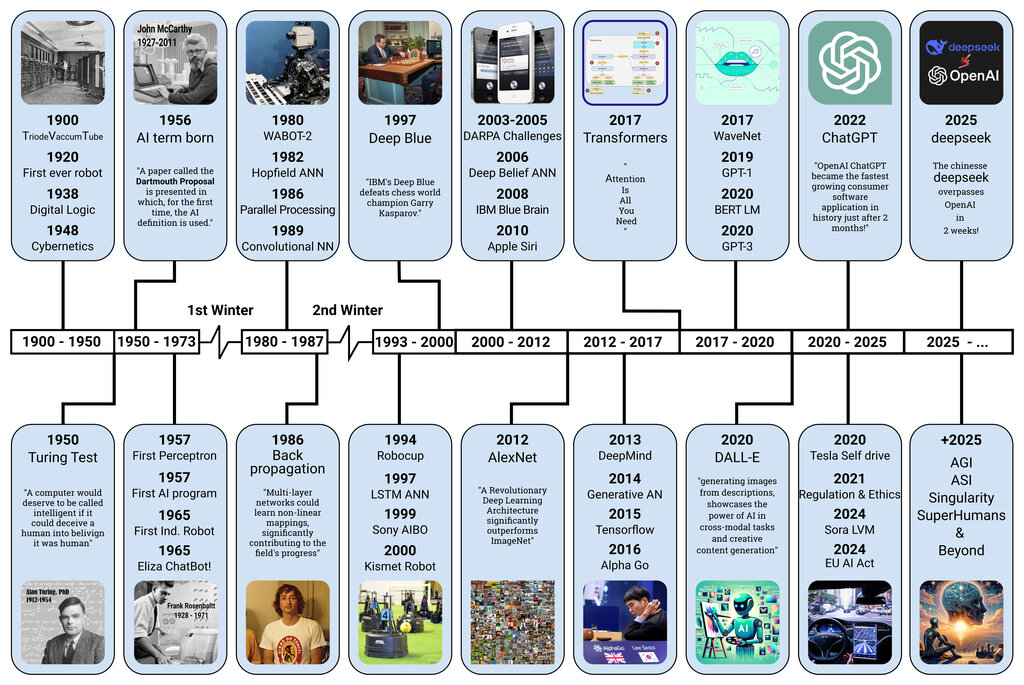
The idea of intelligent machines has been around for centuries, but the scientific field of AI officially began in the 1950s. Early researchers were optimistic, believing that a machine as intelligent as a human being would exist in a few decades. The reality was more complex.
Progress came in waves. There were periods of excitement and major funding, often called "AI summers," followed by periods of disillusionment and reduced funding, known as "AI winters." Recently, thanks to the availability of vast amounts of data and powerful computers, AI has entered a golden age of rapid advancement.
The Building Blocks of AI
AI isn't a single technology; it's a broad field with many specialized areas. Three of the most important components are machine learning, neural networks, and natural language processing.
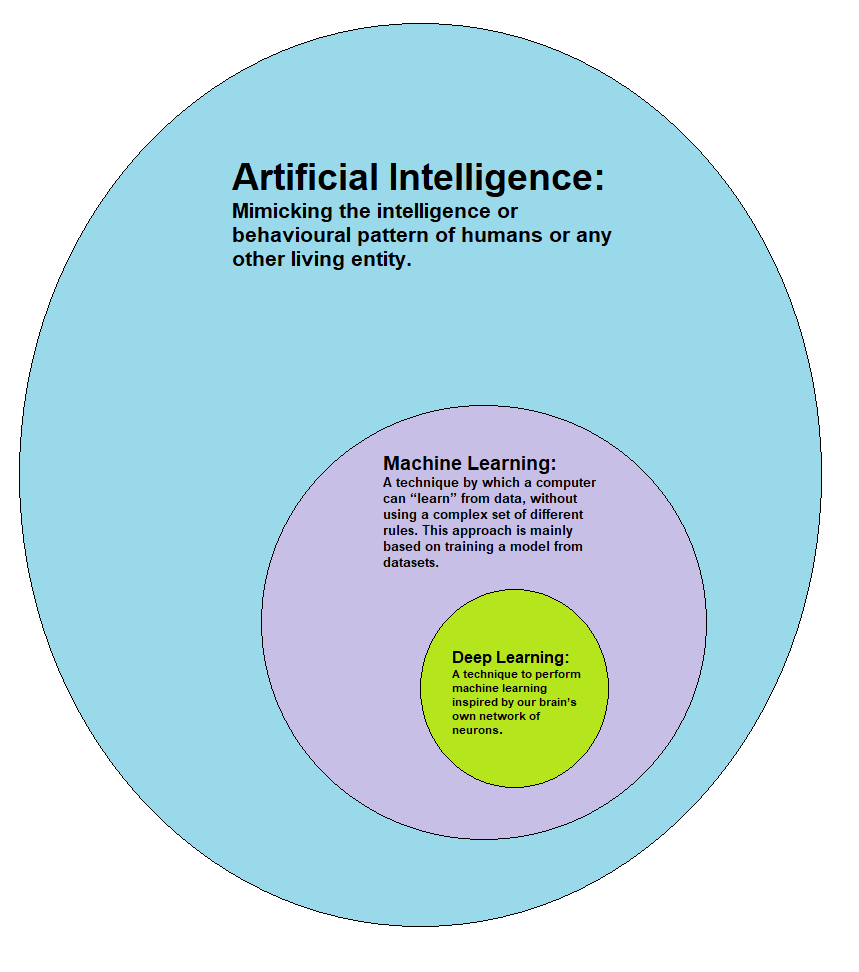
Machine Learning is a way of teaching a computer to make predictions or decisions without being explicitly programmed to do so. It learns patterns from data. For example, by showing a machine learning model thousands of pictures of cats, it can learn to recognize a cat in a new picture it has never seen before.
Think of machine learning as learning by example, much like a human does.
Neural Networks are a key part of machine learning, inspired by the structure of the human brain. They consist of layers of interconnected nodes, or "neurons." Each neuron receives input, processes it, and passes it on to the next layer. Complex neural networks, known as deep learning models, are behind many of today's most impressive AI achievements, from voice assistants to image recognition.
Natural Language Processing (NLP) is what allows computers to understand, interpret, and generate human language. Whenever you talk to a virtual assistant, use a translation app, or see a chatbot pop up on a website, you are interacting with NLP. It's the bridge between human communication and computer understanding.
AI in Urdu
Understanding AI concepts in your own language can make them more accessible. Let's look at the Urdu terms for these building blocks. Knowing these terms helps in discussing AI in a local context and understanding regional articles or news about technology.
Machine Learning
Here, "Āmozish" (آموزش) means "learning" or "training," perfectly capturing the essence of a machine learning from data.
Neural Network
The word "Asbi" (عصبی) relates to nerves, directly referencing the biological inspiration for these networks—the brain's own system of neurons.
Natural Language Processing
This term translates quite literally. "Qudrati Zabān" (قدرتی زبان) means "natural language," making the function of this AI component clear.
Now that you have a foundational understanding of AI and its key components, let's test your knowledge.
What is the primary goal of Artificial Intelligence?
The history of AI has been a steady, uninterrupted progression of advancements since it began in the 1950s.