AI Ethics and Responsible Tool Use
Introduction to AI Ethics
What Is AI Ethics?
Artificial intelligence is no longer just a concept from science fiction. It's woven into our daily lives, from the apps on our phones to the systems that manage traffic in our cities. As these tools become more powerful, we have to ask a critical question: How do we ensure they're used for good?
This is the central question of AI ethics. It’s a field dedicated to guiding the design and use of AI in a way that benefits humanity and avoids harm. It's not just about programming a machine to do a task; it's about making sure that task aligns with our values and principles. Think of it as a moral compass for technology.
Ethics
noun
Moral principles that govern a person's behavior or the conducting of an activity.
A Quick Look Back
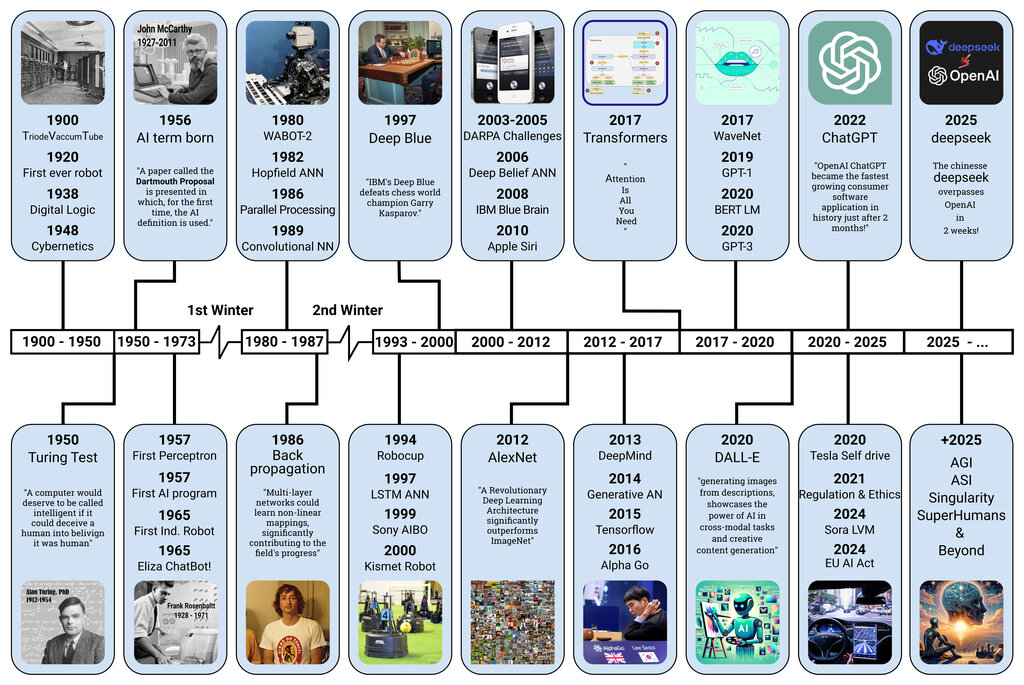
Concerns about intelligent machines are as old as the idea itself. For decades, authors and filmmakers explored stories of rebellious robots and dystopian futures. While these were creative explorations, they touched on real questions about control, autonomy, and what it means to be human.
The formal field of AI began in the 1950s, and with it came a more academic discussion of these issues. Early pioneers wondered about the potential for machines to think, but they also considered the consequences. As AI has evolved from simple programs to complex systems that can learn and create, these ethical questions have become more urgent and practical.
How We Decide What's 'Right'
To navigate the complexities of AI ethics, we can borrow frameworks from philosophy. These theories don't give us easy answers, but they provide a structured way to think about difficult problems. Two of the most relevant approaches are consequentialism and deontology.
Consequentialism focuses on the outcome. The most ethical choice is the one that produces the greatest good for the greatest number of people. For AI, this means we should design systems that maximize benefits, like curing diseases or improving education, while minimizing negative consequences, such as job loss or privacy violations.
Deontology, on the other hand, is about rules and duties. It argues that certain actions are inherently right or wrong, regardless of their outcomes. An AI built on deontological principles would have strict rules it could not break, like "do not deceive a user" or "always protect private data." It prioritizes moral duties over the potential results.
| Ethical Theory | Core Idea | Application to AI |
|---|---|---|
| Consequentialism | The best action is the one that maximizes good outcomes. | An AI should be judged by the results it produces. |
| Deontology | Actions are right or wrong based on a set of rules. | An AI should follow strict moral rules, regardless of the outcome. |
These frameworks aren't mutually exclusive. A well-designed AI system might use a rule-based approach (deontology) to protect individual rights while also being optimized to achieve beneficial outcomes (consequentialism).
Why This Matters
Aligning AI with human values isn't just a philosophical exercise; it's a practical necessity. When we build AI systems, we are embedding our own values and biases into them, whether we intend to or not. If we're not careful, we can create tools that amplify existing inequalities or make decisions that are unfair and opaque.
The goal is to harness the immense potential of AI for good. It can help us solve some of the world's biggest challenges, from climate change to healthcare. But with that power comes great responsibility. The risks are just as significant, including mass surveillance, autonomous weapons, and widespread misinformation. AI ethics provides the framework for navigating this landscape, helping us steer toward a future where technology serves all of humanity.
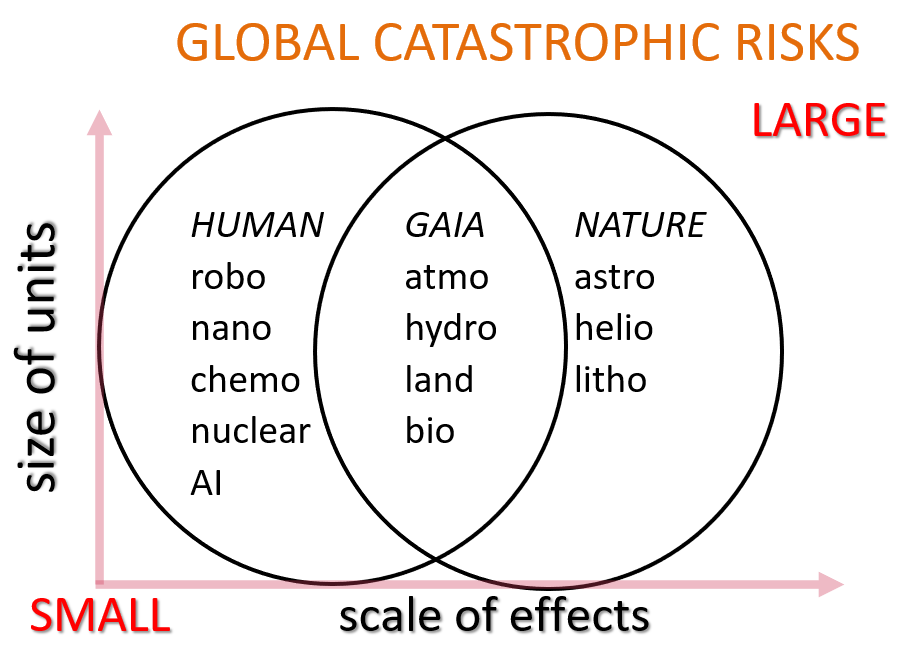
Anchored in ethics, transparency, and accountability, the development of AI becomes pivotal, acting as the cornerstone for constructing a future that seamlessly integrates technological advancement with social responsibility.
Let's check your understanding of these foundational ideas.
What is the central goal of AI ethics?
The ethical framework of ______ judges an action's morality based on its outcome, aiming to produce the greatest good for the greatest number.
Understanding these core concepts gives us a solid foundation. Now we can begin to explore the specific principles that guide the creation of responsible AI.