AI Essentials for Finance and HR Leaders
Introduction to AI
What Exactly Is AI?
Artificial Intelligence is about creating systems that can perform tasks that typically require human intelligence. This includes things like learning, reasoning, problem-solving, perception, and understanding language. Think of it less as creating a conscious brain and more as building a highly specialized tool that can recognize patterns and make predictions based on data.
This introduction to this special issue discusses artificial intelligence (AI), commonly defined as “a system’s ability to interpret external data correctly, to learn from such data, and to use those learnings to achieve specific goals and tasks through flexible adaptation.”
At its core, AI is not a single technology, but a broad field of computer science. It's an umbrella term that covers a range of methods and tools. The goal is to enable computers to mimic cognitive functions, making them powerful partners in complex business environments. Understanding its main components is the key to seeing its potential.
The Building Blocks of AI
AI isn't a monolith. It's made up of several key subfields that work together to create intelligent systems. For business leaders, the three most important components to understand are Machine Learning, Natural Language Processing, and Robotics.
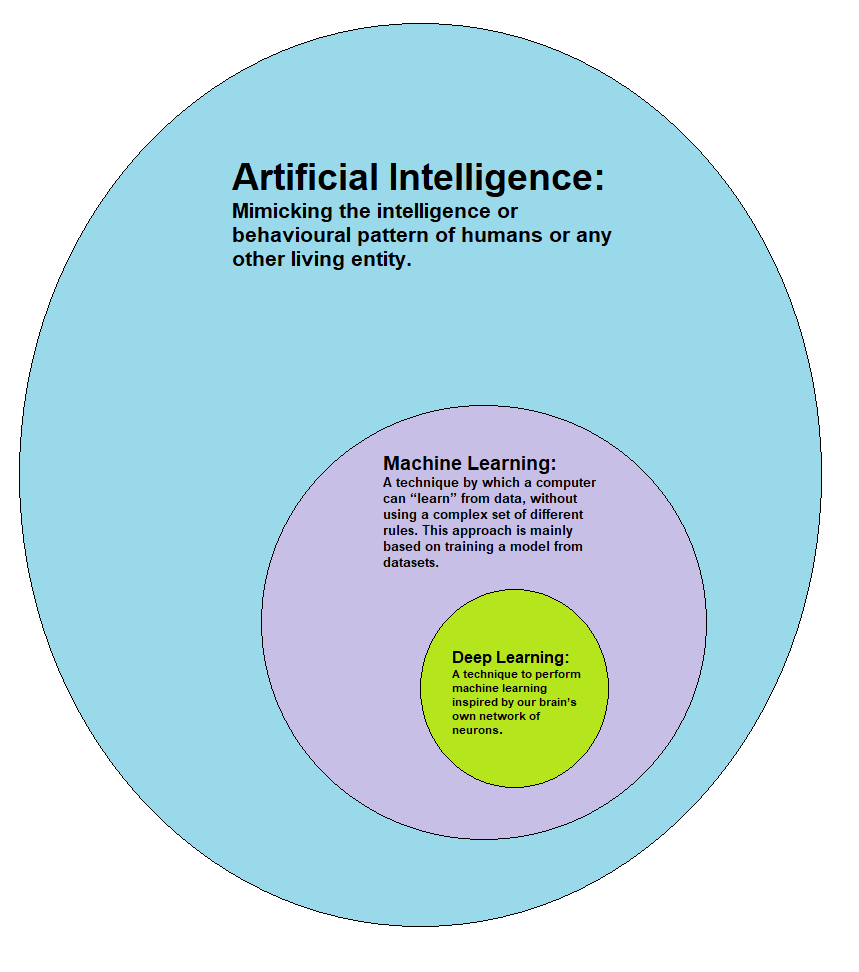
First, there's Machine Learning (ML). This is the engine that drives most modern AI. Instead of programming a computer with a set of explicit rules for a task, you provide it with a massive amount of data. The ML algorithm then 'learns' the patterns and rules from that data on its own. A classic example is a spam filter. It's not coded with a list of every possible spam email. Instead, it's trained on millions of emails, learning to identify the characteristics of junk mail.
Next is Natural Language Processing (NLP). This is the bridge between human language and computer understanding. NLP allows machines to read, interpret, understand, and generate human language. It's the technology behind virtual assistants like Siri and Alexa, chatbot customer service, and real-time translation tools. For businesses, it unlocks the value hidden in unstructured text data, from customer reviews to internal reports.
Finally, there's Robotics. While we often picture humanoid robots, this field is much broader. It involves designing, building, and operating robots to perform tasks. When combined with AI, these are not just machines performing repetitive motions. They become intelligent agents that can perceive their environment, make decisions, and act physically. Think of automated warehouse systems that navigate aisles to pick and pack orders, or advanced manufacturing arms that can adjust their movements based on visual feedback.
Where Is AI Used Today?
AI's applications are already widespread across nearly every industry. These technologies are not just futuristic concepts; they are practical tools solving real-world problems.
In healthcare, AI helps doctors diagnose diseases earlier by analyzing medical images like X-rays and MRIs with a level of detail that can surpass the human eye.
In the retail sector, AI powers the recommendation engines that suggest products you might like on e-commerce sites, personalizing the shopping experience and driving sales. It also optimizes supply chains by predicting demand for products, reducing waste and ensuring items are in stock.
Transportation has been transformed by AI, from navigation apps that calculate the fastest route by analyzing real-time traffic data to the development of self-driving vehicles. In entertainment, streaming services use AI to analyze your viewing habits and recommend movies and shows tailored to your taste.
Even in creative fields, AI is making an impact. It's used to compose music, generate artwork, and even write drafts of articles. These examples just scratch the surface, but they illustrate a common theme: AI is a versatile tool for finding patterns and automating complex decision-making at a massive scale.
Let's review the main concepts before moving on.
Now, test your understanding of these foundational ideas.
What is the primary goal of Artificial Intelligence, as described in the context of business applications?
A chatbot that can read and understand a customer's question and provide a relevant answer is primarily using which subfield of AI?
With this foundation in place, you are ready to explore how these powerful technologies can be applied specifically to the worlds of finance and human resources.