AI Essentials for Educators
Introduction to AI
What Is AI, Really?
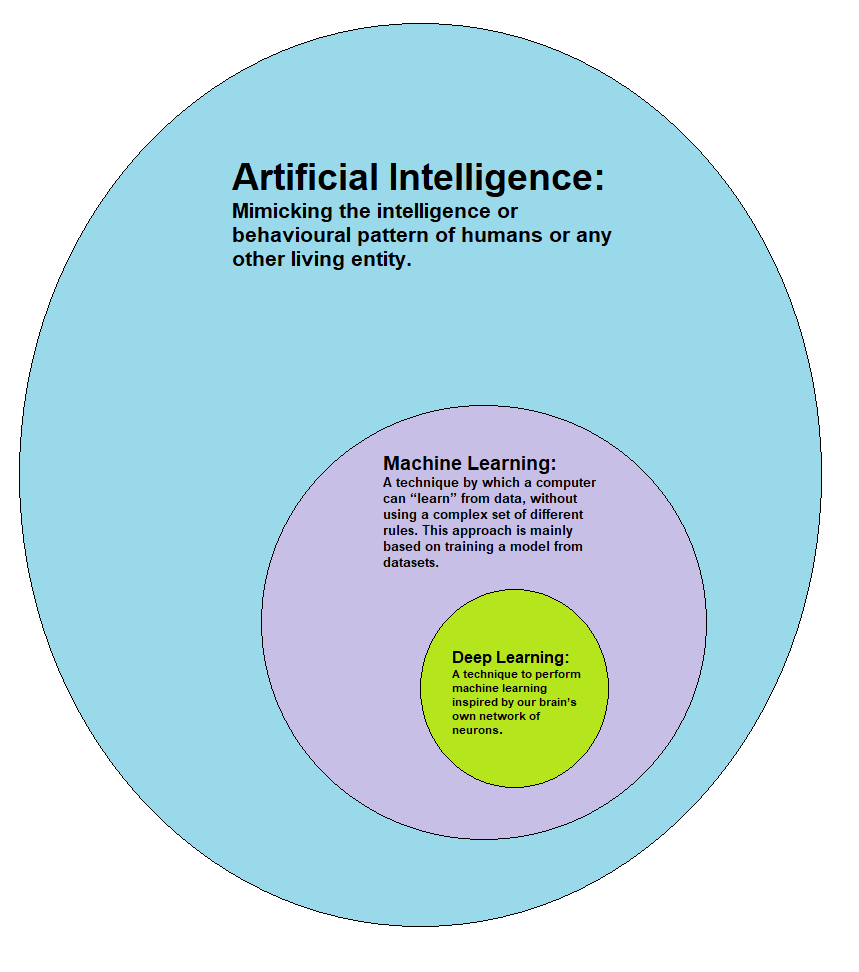
Artificial Intelligence is the science of making machines that can think, learn, and solve problems like humans. Think of it as teaching a computer to perform tasks that usually require human intelligence, like recognizing faces, understanding language, or making decisions.
At its core, AI isn't about creating conscious robots. It's about building smart tools that can analyze information and act on it. Some AI is simple, like a spam filter in your email. Other systems are much more complex, like the software that helps doctors diagnose diseases.
A Quick Trip Through Time
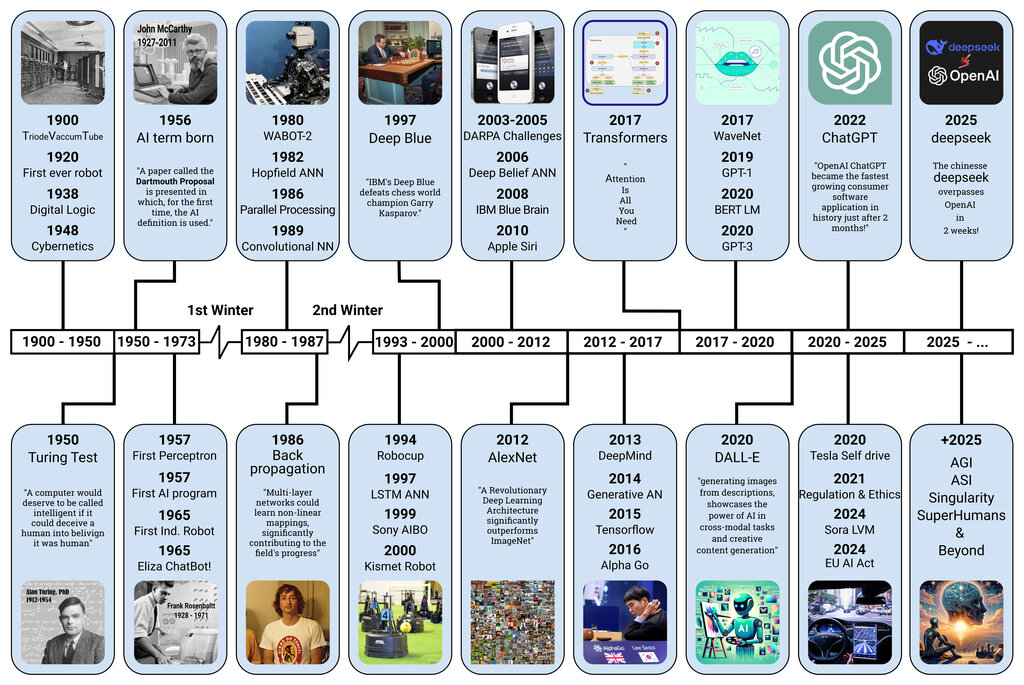
The idea of artificial minds has been around for centuries, but the field of AI really began in the 1950s. Early researchers were optimistic, believing they could create human-like intelligence in just a few decades. This initial excitement led to foundational concepts like the Turing Test, a way to measure if a machine's behavior is indistinguishable from a human's.
Progress was slower than expected, leading to periods of reduced funding and interest known as "AI winters." But in the last couple of decades, things have changed dramatically. The explosion of digital data and massive increases in computing power have fueled a resurgence, leading to the powerful AI tools we see today.
AI Is All Around Us
You probably use AI every day without even realizing it. When Netflix suggests a movie you might like, that's AI. When you ask Siri or Alexa for the weather forecast, you're interacting with AI. Even the navigation app on your phone uses AI to find the fastest route and predict traffic.
These systems work by recognizing patterns in huge amounts of data. Your music streaming service analyzes what you listen to and compares it to millions of other users to suggest new songs.
Other examples include email spam filters, online customer service chatbots, and the technology that allows your bank to detect fraudulent transactions. AI has become a quiet but powerful part of modern life.
AI in the Classroom
For educators, AI is more than just a futuristic concept; it's a tool that's already changing the landscape of education. It offers ways to personalize learning for each student, providing extra support where needed or offering new challenges for those who are ahead.
In the context of school education, AI can personalize learning, enhance teaching tools, automate administrative tasks, and improve access to quality education, especially in underserved areas.
AI can also help with administrative tasks, freeing up valuable time for teachers. Imagine tools that can help draft lesson plans, create quizzes, or even provide initial feedback on student writing. More importantly, understanding AI is crucial for preparing students for a future where they will interact with these technologies in every aspect of their lives.
This basic understanding is the first step. By grasping what AI is and how it works, you can begin to see its potential—and its challenges—in your own classroom.