AI Essentials
Introduction to Artificial Intelligence
What Is Artificial Intelligence?
Artificial Intelligence, or AI, is about creating smart machines. It's a broad field of computer science focused on building systems that can perform tasks that typically require human intelligence. This includes things like learning from experience, understanding language, recognizing objects, and making decisions.
Think of it this way: AI gives a computer the ability to think and learn, moving beyond simple pre-programmed instructions.
This introduction to this special issue discusses artificial intelligence (AI), commonly defined as “a system’s ability to interpret external data correctly, to learn from such data, and to use those learnings to achieve specific goals and tasks through flexible adaptation.”
A Brief History of AI
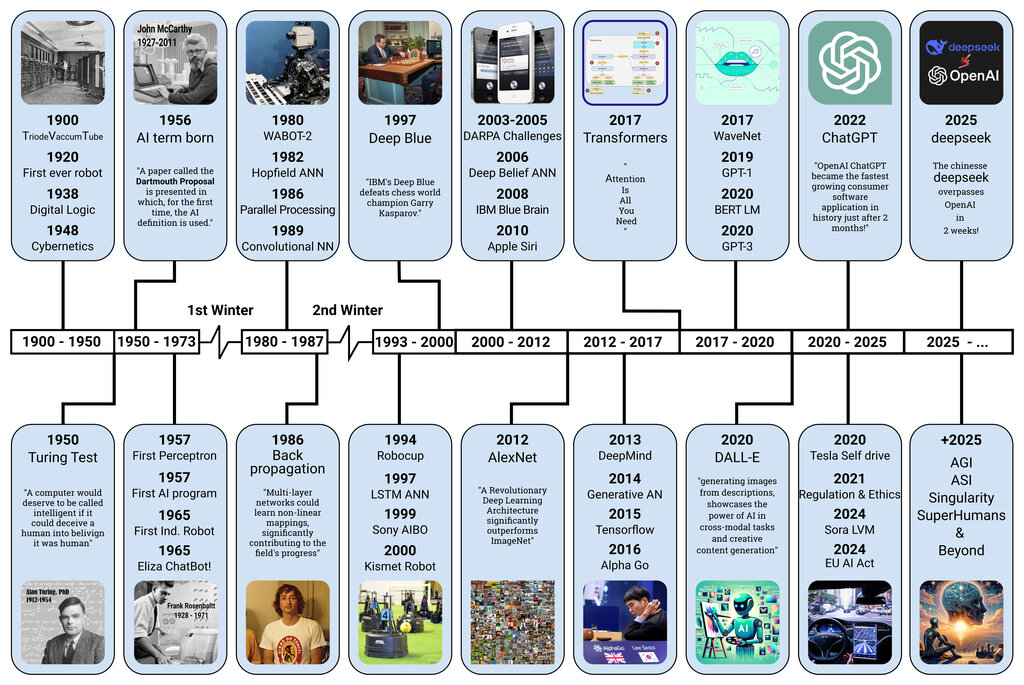
The idea of intelligent machines has been around for centuries, but the formal field of AI research began in the 1950s. The term "artificial intelligence" was coined at a workshop at Dartmouth College in 1956, where pioneers gathered to explore the possibility of creating thinking machines.
The journey of AI has had its ups and downs. Early excitement led to significant government funding, but progress was slower than expected. This led to periods known as "AI winters," when funding and interest dried up due to unfulfilled promises.
However, breakthroughs in computing power and the availability of massive amounts of data in the 21st century have fueled a new era of AI. Advances in algorithms and processing capabilities have brought AI out of the lab and into our daily lives.
The Branches of AI
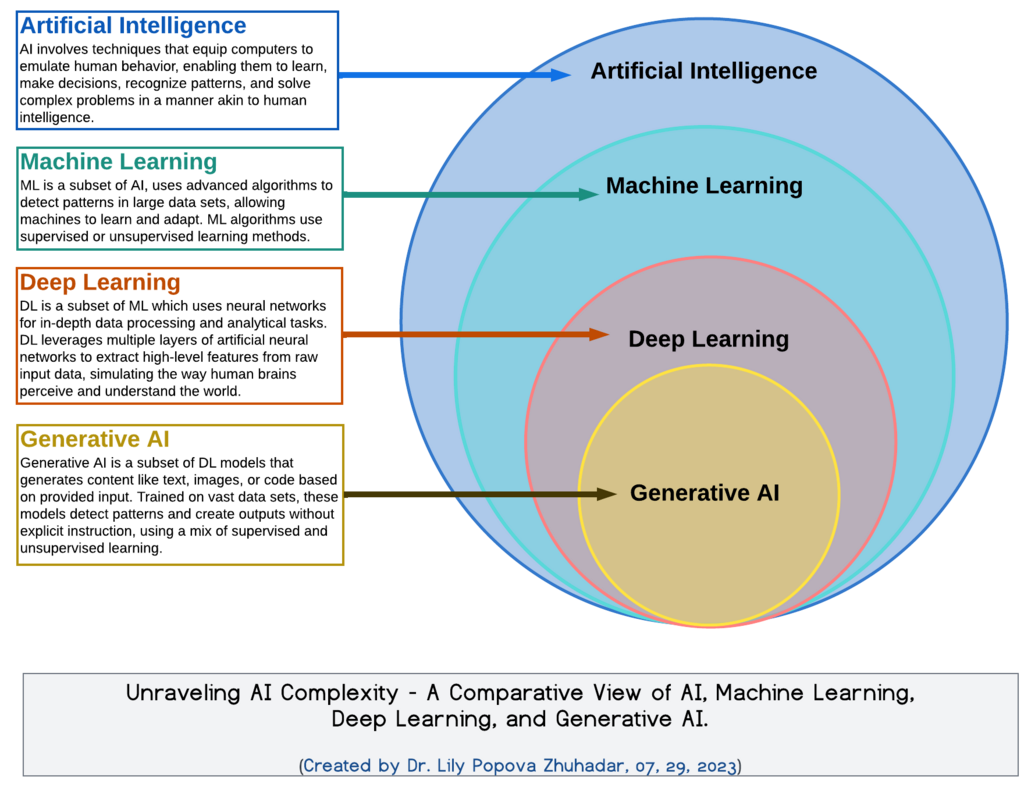
AI isn't a single thing. It's an umbrella term that covers several specialized subfields. Each one focuses on a different aspect of intelligence. Let's look at some of the most important ones.
Machine Learning
noun
A subset of AI that gives computers the ability to learn from data without being explicitly programmed. Instead of writing rules, developers feed data to an algorithm and let it figure out the patterns on its own.
Machine Learning (ML) is one of the most significant and widely used branches of AI today. It's the engine behind recommendation systems on streaming services, predictive text on your phone, and much more.
Natural Language Processing
noun
This field, often called NLP, focuses on the interaction between computers and human language. The goal is to enable computers to understand, interpret, and generate human language in a way that is both meaningful and useful.
NLP makes it possible to talk to our devices, translate languages instantly, and analyze sentiments in customer reviews.
Computer Vision
noun
This area of AI trains computers to interpret and understand the visual world. Using digital images from cameras and videos, machines can identify and process objects, just like humans do with their sense of sight.
From facial recognition that unlocks your phone to medical imaging analysis that helps doctors diagnose diseases, computer vision is transforming how we interact with visual data.
Robotics
noun
Robotics is an interdisciplinary field that involves the design, construction, operation, and use of robots. While not all robots are 'intelligent,' AI is increasingly used to give robots the ability to perceive their environment and make autonomous decisions.
Ready to check your understanding of these core concepts?
What is the primary goal of Artificial Intelligence (AI)?
The term "artificial intelligence" was coined during a significant workshop that took place in which decade?
Understanding these foundational ideas is the first step in exploring the vast and exciting world of artificial intelligence.