AI-Enhanced Spec-Driven Development
Introduction to Specification-Driven Development
Start with the Blueprint
Before a construction crew lays a single brick for a new house, they consult a detailed blueprint. This document outlines everything from the foundation's depth to the placement of electrical outlets. Without it, the project would be chaotic. The walls might not line up, the plumbing could end up in the wrong place, and the final result would likely be unusable.
Software development can be just as complex. Jumping straight into writing code without a clear plan is like building a house without a blueprint. The process is often messy, full of expensive rework, and the final product might not be what anyone actually wanted. Specification-Driven Development (SDD) offers a more structured approach.
Spec-Driven Development flips the script on traditional software development.
Instead of starting with code, SDD starts with a detailed specification. This document acts as the project's blueprint. It clearly defines what the software is supposed to do, how it should behave, and what constraints it must operate under. It’s a human-readable guide that everyone on the team can understand and agree upon before development begins.
Specification
noun
A detailed document that describes the intended functionality, behavior, and constraints of a software system. It serves as a blueprint for development.
This isn't a vague list of ideas. A good specification is thorough. It details user stories, features, performance requirements, and security considerations. It becomes the single source of truth for the entire project.
Benefits of a Clear Plan
Adopting an SDD approach brings several key advantages. The most significant is alignment. When everyone, from product managers to engineers, works from the same detailed document, misunderstandings are drastically reduced. The specification creates a shared language and a common understanding of the project's goals.
When created and used correctly, functional specifications result in a decrease in chances of misunderstanding since a common language has been created, understood, and agreed upon by all the stakeholders, the developers as well as the testers.
This clarity fosters better collaboration. The specification becomes a focal point for discussion. Stakeholders can review the plan, provide feedback, and sign off on the direction before costly development work starts. This front-loading of decision-making saves time and resources by catching potential issues early in the process, rather than after the code has already been written.
Finally, it leads to more robust and maintainable software. With a clear specification in hand, developers can build systems that are well-architected and directly address the business needs. The specification also serves as valuable documentation, making it easier for new team members to get up to speed or for future updates to be made correctly.
The Specification's Role
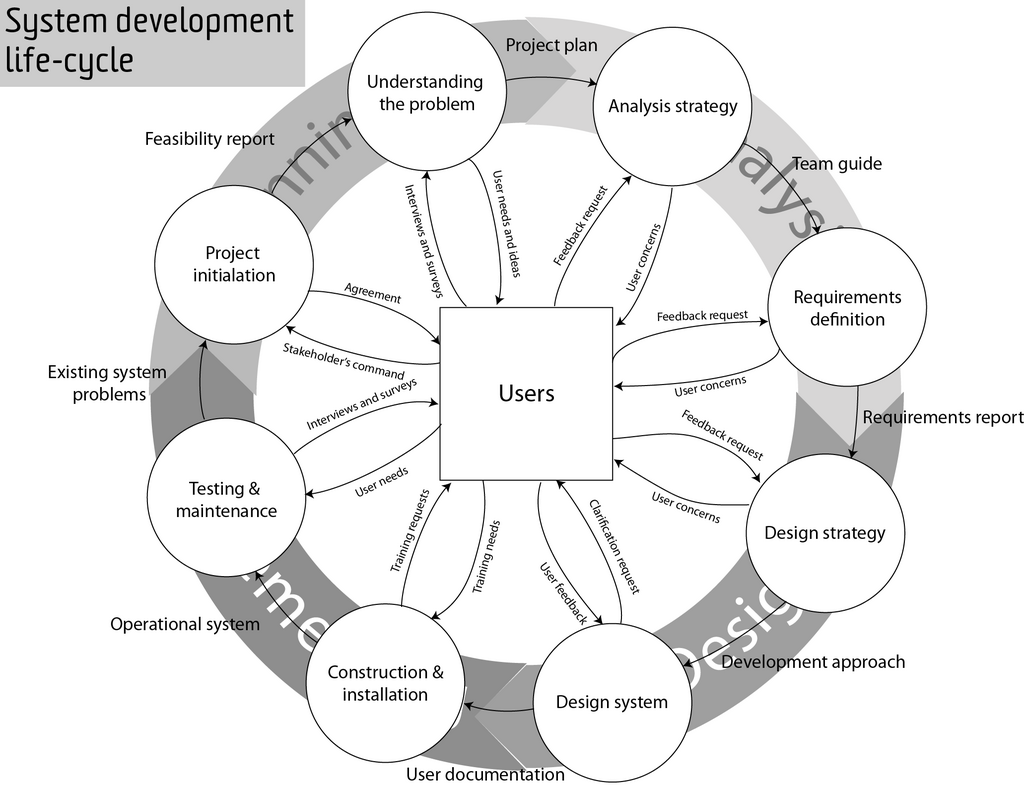
The specification is more than just a planning document; it's an active guide throughout the development lifecycle. During the design and coding phases, it provides developers with a clear roadmap, ensuring they build the right features in the right way. It answers the crucial question: "What are we building?"
| Phase | Role of the Specification |
|---|---|
| Planning | Defines project scope and business requirements. |
| Design | Guides architectural decisions and user interface design. |
| Development | Acts as a reference for engineers writing code. |
| Testing | Provides the basis for writing test cases to verify functionality. |
| Maintenance | Serves as documentation for future updates and bug fixes. |
Think of it as the ultimate set of instructions. For testers, it defines what correct behavior looks like, allowing them to create accurate and comprehensive test plans. For product managers, it's a tool to ensure the final product delivers on its promises. By grounding the entire process in a clear, agreed-upon document, Specification-Driven Development helps teams build better software, more efficiently.
Ready to check your understanding?
What is the central idea behind Specification-Driven Development (SDD)?
The provided text compares a software specification to what in the construction industry?
By focusing on the "what" before the "how," Specification-Driven Development provides a solid foundation for any software project.