AI-Enhanced Frontend Development for Business Growth
Introduction to AI in Frontend Development
AI in Frontend Development
Artificial intelligence in frontend development isn't about creating sentient websites. It's about using smart tools to build better user interfaces, faster. Think of it as a powerful assistant that helps with everything from writing code and designing layouts to personalizing the user experience.
The scope is broad. AI can automate repetitive coding tasks, suggest design improvements, and even help optimize website performance. By handling the tedious work, AI frees up developers to focus on creative problem-solving and building more intuitive, responsive applications.
The goal is to enhance the developer's abilities, not replace them. AI acts as a collaborator that speeds up workflows and unlocks new possibilities for what a user interface can be.
A Brief History
AI's journey into software development started subtly. Early forms of AI-like assistance were simple tools like code linters that automatically checked for errors and style inconsistencies. Then came more advanced code completion engines, which could predict the next piece of code you were about to type. These tools were helpful, but they were just the beginning.
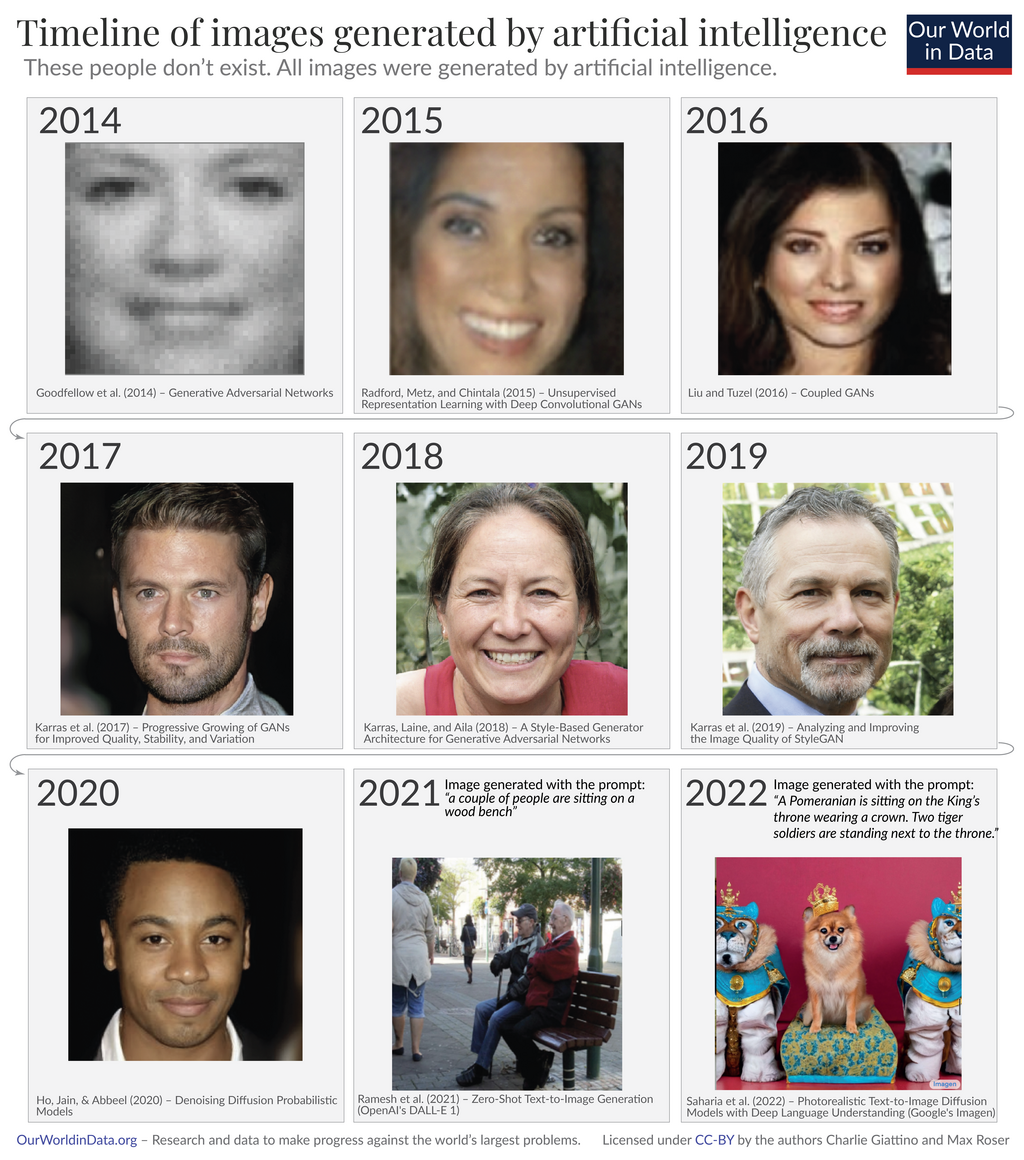
Today, we're in the era of generative AI. Modern tools can understand natural language prompts to write entire functions, convert a simple sketch into working code, or generate complex design systems. This rapid evolution shows a clear trend: AI is becoming an increasingly integrated and capable partner in the development process.
How AI Changes Workflows
Integrating AI fundamentally changes how frontend developers approach their work. It streamlines common tasks and introduces efficiencies at every stage of the development cycle.
| Stage | Traditional Workflow | AI-Enhanced Workflow |
|---|---|---|
| Design | Manually create mockups in a design tool. | Generate design ideas from text prompts; automatically convert mockups to code. |
| Coding | Write, debug, and refactor code from scratch. | Use an AI assistant for code generation, debugging suggestions, and refactoring. |
| Testing | Manually write unit, integration, and end-to-end tests. | Automatically generate test cases based on the existing codebase. |
| Optimization | Manually analyze performance and identify bottlenecks. | Receive AI-driven suggestions for performance improvements and code optimization. |
This shift allows for a more dynamic and iterative process. A developer can quickly prototype an idea with AI, get feedback, and refine it, dramatically shortening the time from concept to deployment.
Integrating AI into web development not only automates repetitive tasks but also enhances the capabilities of developers and designers, leading to faster development cycles, improved efficiency, and more innovative solutions.
Key Tools and Technologies
While the field is constantly changing, a few categories of AI tools have become essential in modern frontend development:
-
AI Code Assistants: These tools, like GitHub Copilot and Amazon CodeWhisperer, integrate directly into your code editor. They offer real-time code suggestions, write functions based on comments, and help you debug faster.
-
Design-to-Code Tools: Services like v0.dev or tools that plug into Figma can take a design mockup or even a text description and generate the corresponding HTML, CSS, and JavaScript components.
-
Automated Testing Platforms: AI is now used to analyze an application and automatically generate tests, catching bugs that a human might miss and ensuring the application is robust.
-
UI/UX Optimization Tools: Some AI platforms can analyze user behavior on a website to suggest improvements to the layout, content, and overall user flow to increase engagement.
Learning to use these tools effectively is becoming a key skill for frontend developers. It’s less about knowing how the AI models work and more about learning how to prompt, guide, and collaborate with them to build great products.
What is the primary role of artificial intelligence in modern frontend development?
Which of the following is considered an early, less advanced form of AI assistance in coding?
As you can see, AI is reshaping the landscape of frontend development by making it faster, smarter, and more creative.