AI Engineering with Cursor IDE
Introduction to AI Engineering
From Idea to Reality
Artificial intelligence isn't magic. It's engineering. Like building a bridge or a skyscraper, creating a useful AI system requires a structured process. AI engineering is the discipline of designing, building, and maintaining these systems in the real world. It’s about taking a brilliant idea and turning it into a reliable tool that solves a genuine problem.
Think of it this way: a physicist can explain the principles of stress and tension, but it takes a civil engineer to use those principles to build a bridge that doesn't collapse. Similarly, a data scientist might create a clever algorithm, but it takes an AI engineer to transform that algorithm into a scalable, secure, and useful application.
The AI Lifecycle
Every AI project follows a path, a series of steps that guide it from a rough concept to a finished product. This is the AI development lifecycle. It’s a loop, not a straight line, because building AI is an iterative process of continuous improvement.
Let's walk through each stage of this journey.
Laying the Foundation
The most critical step happens before any data is touched. It’s defining the problem. What, precisely, are we trying to achieve? A vague goal like "improve customer service" is not a problem definition. A specific goal, like "reduce customer wait times for support chats by 30% using an AI-powered response suggestion tool," is much better.
This stage involves asking tough questions. Is AI the right solution? What does success look like, and how will we measure it? Answering these questions clearly prevents teams from building a sophisticated solution to the wrong problem.
A perfectly engineered solution to the wrong problem is a perfectly engineered failure.
Once the problem is defined, the hunt for data begins. Data is the fuel for any AI model. The quality of this fuel is paramount. "Garbage in, garbage out" is a classic saying in computing for a reason. Data collection involves finding relevant, accurate, and sufficient data. Preprocessing is the crucial step of cleaning this raw data. It’s like a chef preparing ingredients: washing vegetables, trimming fat, and measuring spices. In AI, this means handling missing values, correcting errors, and formatting the data so a model can understand it.
Building and Testing the Model
With a clear problem and clean data, it’s time to build the model. This starts with model selection, which means choosing the right type of algorithm for the task. It's like picking the right vehicle for a journey. You wouldn't use a race car to cross a desert. Similarly, you wouldn't use a model designed for image recognition to analyze financial trends.
Next comes training. This is the process where the model learns from the data. It sifts through examples, identifies patterns, and adjusts its internal parameters to make accurate predictions. It's like a student studying for an exam by working through thousands of practice problems. The more relevant problems they solve, the better they perform on the test.
But how do we know if the model actually learned anything useful? Through evaluation and validation. We test the trained model on a separate set of data it has never seen before. This is like the final exam. Its performance on this new data tells us how well it will likely perform in the real world. We use specific metrics to grade its performance, measuring things like accuracy, precision, and the types of mistakes it makes.
Going Live and Beyond
A model that passes its exams is ready for deployment. This is the moment of truth where the AI system is integrated into a real production environment. It could be a recommendation engine on a website, a fraud detection system at a bank, or a navigation feature in a mobile app. Deployment strategies vary. Some systems are updated in real-time, while others are refreshed periodically. The goal is to get the AI into the hands of users with minimal disruption.
The work isn't over once the model is live. In fact, it's just beginning. The world changes, and so does data. A model that was accurate last year might be obsolete today. This is where monitoring comes in. Engineers constantly watch the model's performance to detect any degradation, a phenomenon known as "model drift." When performance slips, it’s a signal that the model needs to be retrained with new data, bringing us right back to the start of the lifecycle.
The Human Element
Building AI systems comes with significant responsibility. Ethical considerations are not an afterthought; they are a core part of the engineering process.
One of the biggest challenges is bias. If the data used to train a model reflects historical biases, the model will learn and even amplify those biases. For example, an AI hiring tool trained on past hiring decisions might unfairly favor candidates from a certain demographic. Mitigating bias requires careful data sourcing, model testing, and ongoing audits.
Transparency is another key issue. For many AI models, especially complex ones like deep neural networks, it can be difficult to understand why they made a particular decision. This "black box" problem is a major hurdle in fields like medicine and finance, where explanations are crucial for trust and accountability. Engineers are actively working on techniques to make AI more transparent and explainable.
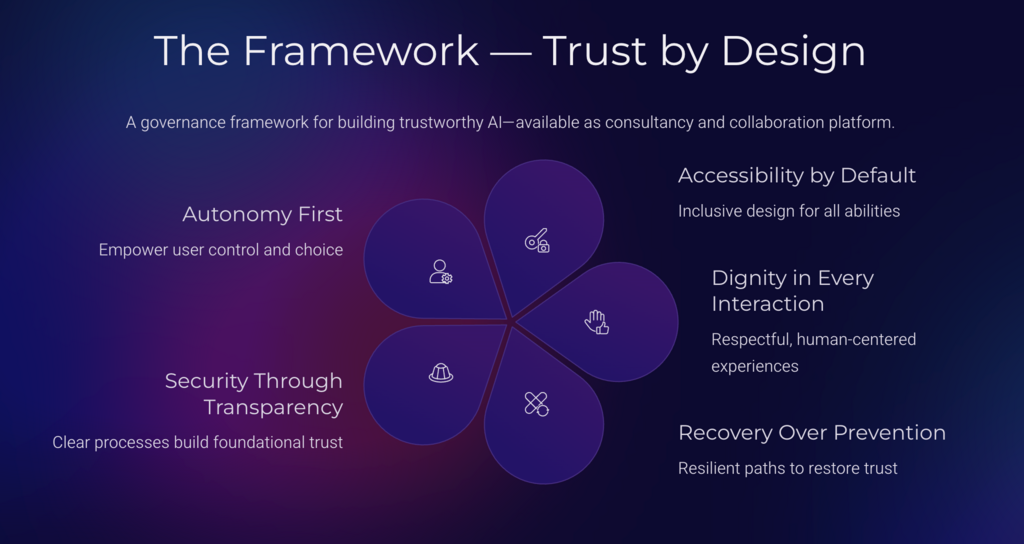
These challenges highlight the human-centric nature of AI engineering. The goal is to build systems that are not only technically sound but also fair, transparent, and beneficial to society.
Ready to test your understanding of the AI development process?
What is the most critical first step in the AI development lifecycle, according to the provided text?
The text compares the AI development lifecycle to a loop rather than a straight line. Why is this analogy used?
The AI engineering lifecycle provides a vital framework for building robust and responsible AI. By following a structured process from problem definition to long-term monitoring, engineers can navigate the complexities of AI development and create solutions that truly work.