AI Engineering Fundamentals
Introduction to AI Engineering
What is AI Engineering?
Artificial Intelligence is more than just clever algorithms. To be useful in the real world, AI needs to be built into reliable, scalable, and maintainable systems. That’s the job of AI engineering.
Think of it this way: a physicist might discover the principles of gravity, but it takes a civil engineer to use those principles to build a bridge that doesn't collapse. Similarly, a data scientist might create a groundbreaking AI model, but an AI engineer is needed to turn that model into a product you can actually use, like a language translation app or a smart recommendation system on a shopping website.
AI engineering serves to create, build, and launch artificial intelligence solutions that resolve practical issues.
AI engineering blends software engineering, data science, and systems operations. It’s the discipline of taking a promising AI model from a prototype on a laptop to a robust service that millions of people can rely on every day. It's about asking practical questions: How do we handle millions of users at once? How do we ensure the system is secure? How do we update the model without breaking everything? Answering these questions is at the heart of AI engineering.
Data: The Fuel for AI
Every AI system is built on a foundation of data. Data is the raw material from which AI models learn to make predictions, understand language, or recognize images. Without data, an AI model is like an engine with no fuel. It has potential, but it can’t do anything.
The process starts with collecting raw data, which could be anything from customer reviews to medical images or sensor readings from a factory floor. This data is rarely perfect. It's often messy, incomplete, or full of errors. This is where a huge part of the engineering work happens.
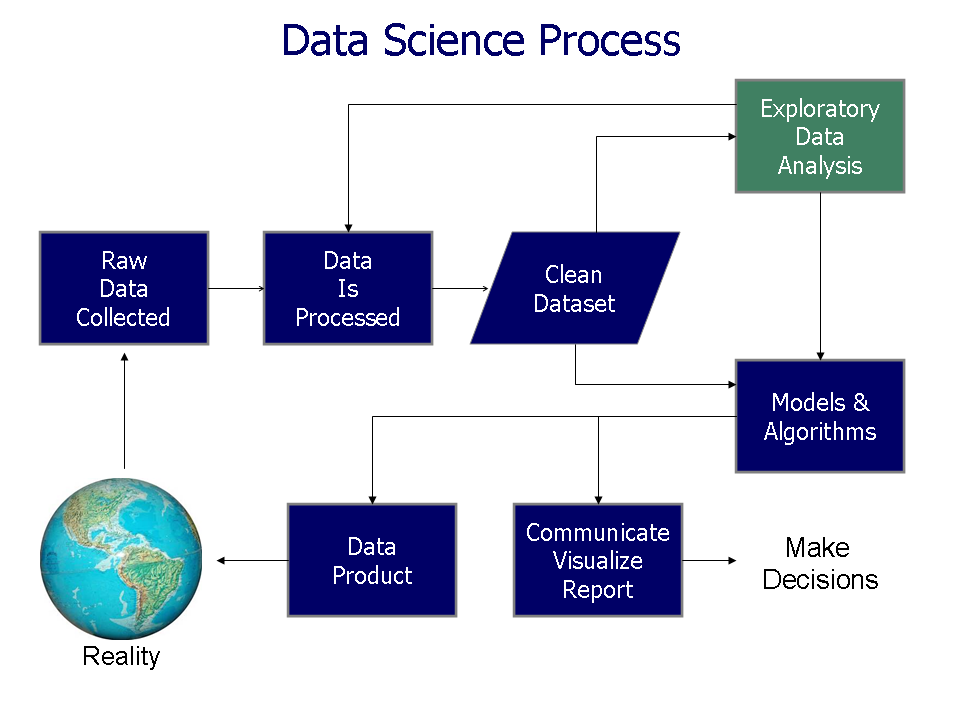
Data engineers clean and prepare this raw material, a process sometimes called data preprocessing or data wrangling. They fix errors, handle missing values, and transform the data into a structured format that the model can understand. This step is critical because the quality of the AI system is directly tied to the quality of its data. You've probably heard the phrase "garbage in, garbage out." It's especially true in AI. A model trained on flawed or biased data will produce flawed or biased results, no matter how sophisticated its algorithm is.
Building and Checking Models
Once the data is ready, it's time to build the AI model. This phase, called model development, involves choosing an appropriate algorithm and training it on the prepared data. During training, the model looks for patterns and relationships in the data. For example, a model learning to identify spam emails will learn to associate certain words or phrases with junk mail.
But how do we know if the model has actually learned anything useful? We test it. This is where model validation comes in.
To validate a model, we set aside a portion of our data that the model has never seen before. This is called the test set. We then ask the model to make predictions on this test data and compare its answers to the actual outcomes. If a spam filter correctly identifies 99% of the spam emails in the test set, we can be confident it works well.
Validation ensures the model can generalize its knowledge to new, unseen data, rather than just memorizing the data it was trained on. A model that only performs well on its training data is not very useful in the real world.
This process of training and validating is often a loop. Engineers might tweak the model, retrain it, and validate it again, repeating the cycle until the model's performance meets the project's goals. This iterative process is key to building an effective AI.
Architecture Matters
A great AI model is only one piece of the puzzle. To deliver it as a useful service, it needs to be integrated into a larger system with a well-designed architecture. The system architecture is the blueprint that defines how all the different components—data storage, the AI model, user interfaces, and other software—work together.
A good architecture ensures the AI system is:
- Scalable: It can handle growing numbers of users or data without slowing down.
- Reliable: It continues to function correctly even if parts of it fail.
- Maintainable: It's easy for engineers to update, fix bugs, and add new features over time.
For example, the architecture for a real-time language translation app would need to be designed for very low latency, so users get their translations instantly. In contrast, the architecture for a system that analyzes sales data to predict next month's inventory needs might prioritize processing large batches of data efficiently over split-second responses.
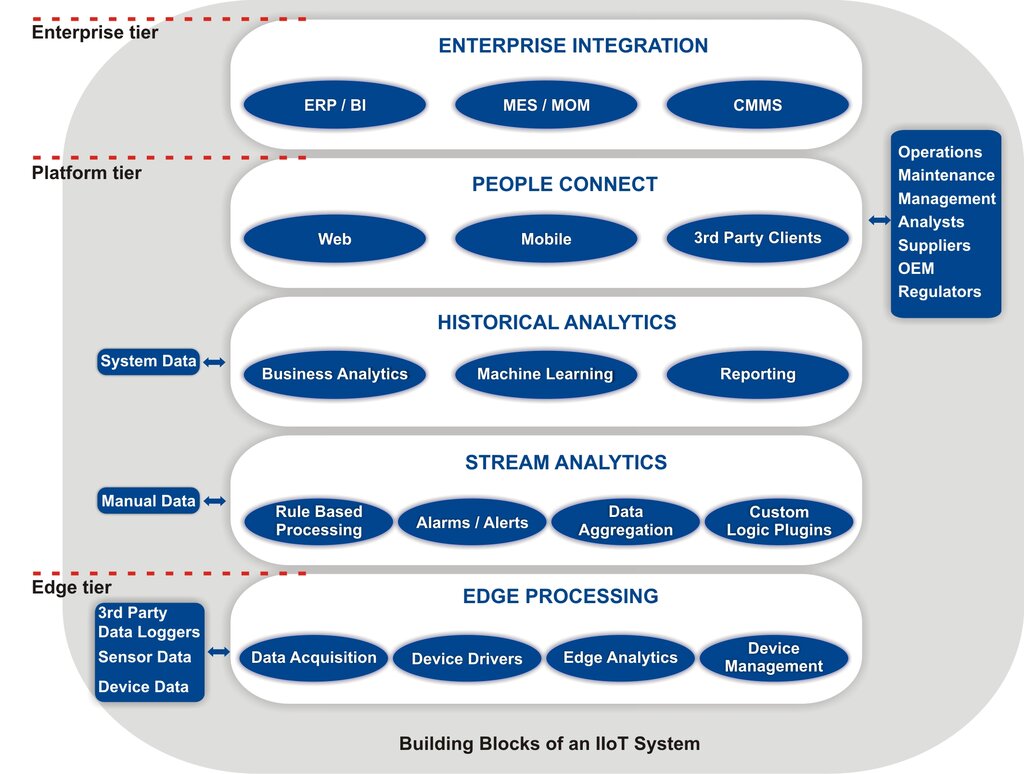
Without a solid architecture, even the most accurate AI model can fail when deployed in the real world. It might be too slow, crash frequently, or be impossible to update. AI engineering focuses on building this complete, robust system, ensuring that the intelligence created in the model is delivered effectively to the end user.
With this foundation, you can begin to see how data, models, and architecture fit together to form the core of any AI engineering project.