AI Engineering Fundamentals
Introduction to AI Engineering
What is AI Engineering?
Artificial intelligence is more than just clever algorithms. To solve real problems, AI needs to be built, tested, and maintained, just like a bridge or a skyscraper. This is the world of AI engineering. It's the discipline of turning promising AI models into reliable, real-world applications.
AI engineering serves to create, build, and launch artificial intelligence solutions that resolve practical issues.
Think of it this way: a brilliant physicist might understand the principles of aerodynamics, but it takes an aerospace engineer to design and build a plane that can safely carry hundreds of people. Similarly, a data scientist might create a powerful AI model, but an AI engineer ensures that model can work flawlessly within a mobile app, a hospital's diagnostic system, or a factory's control center. They are the architects and builders of the AI-powered world.
The AI System Lifecycle
Building an AI system isn't a single event. It's a journey through several distinct phases, known as the AI system lifecycle. Each stage has its own challenges and goals, and understanding this cycle is key to building successful AI.
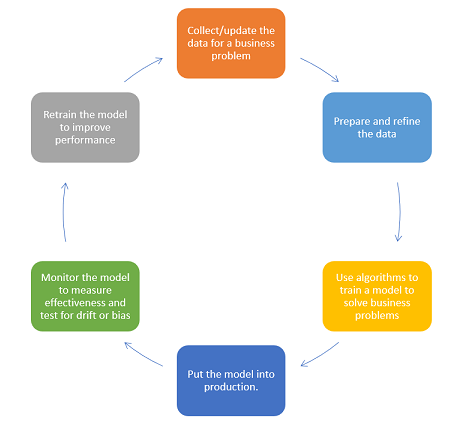
The journey starts with a business problem. What do we want to solve? From there, we gather and prepare data, which is the fuel for any AI system. The next step is training, where the AI model learns from the data to perform its task.
Once the model is trained, it's deployed into a real environment. But the work doesn't stop there. The system must be continuously monitored to ensure it's performing correctly and not producing unexpected or biased results. Over time, it will likely need to be retrained with new data to keep it sharp and relevant.
Why Ethics Matter
AI systems make decisions that can have a profound impact on people's lives. They can influence who gets a loan, what medical diagnosis is suggested, or even how a self-driving car behaves in an emergency. Because of this, ethics aren't an afterthought in AI engineering; they are a core requirement.
An AI system is only as good as the data it learns from. If the data reflects historical biases, the AI will learn and potentially amplify those biases.
Consider a hiring tool designed to screen resumes. If it's trained on data from a company that historically hired more men for technical roles, the AI might learn to favor male candidates, even if gender isn't explicitly mentioned. An AI engineer's job is to anticipate these risks. They must ask critical questions at every stage of the lifecycle:
- Data: Is our data representative and fair? Have we removed potential sources of bias?
- Model: Can we explain how our model makes decisions? Is it transparent?
- Deployment: How will this system affect people? What safeguards are in place to prevent harm?
AI engineers play a pivotal role in ensuring AI technologies are ethical and responsible.
Building responsible AI means prioritizing fairness, accountability, and transparency from the very beginning. It's about designing systems that are not only powerful but also trustworthy and beneficial to society.
Ready to check your understanding of these core concepts?
What is the primary role of an AI engineer, as distinguished from a data scientist?
According to the AI system lifecycle, what is the crucial step that comes immediately after an AI model has been trained?
You've got the basics down. AI Engineering is the bridge between AI theory and real-world impact, guided by a lifecycle process and a strong ethical compass.