AI Engineering Fundamentals
Introduction to AI Engineering
What Is Artificial Intelligence?
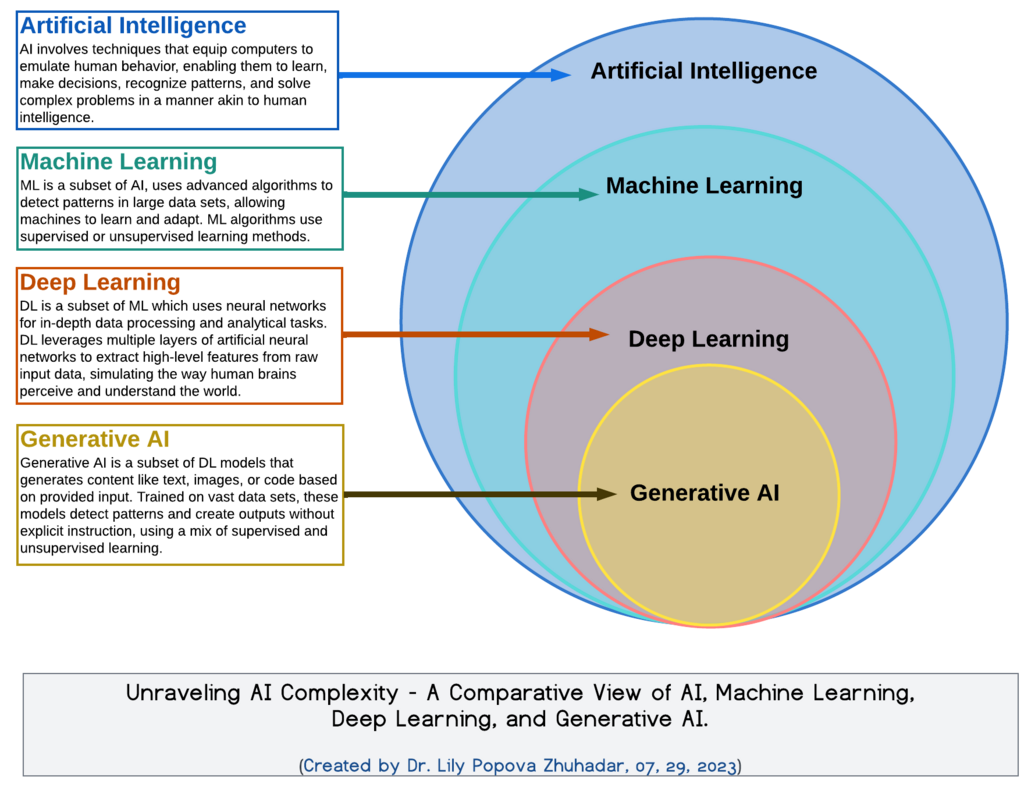
Artificial intelligence is a field of computer science focused on creating systems that can perform tasks that normally require human intelligence. This includes things like learning, reasoning, problem-solving, understanding language, and perceiving the world around us.
Artificial intelligence (AI) is a broad field of computer science and engineering that focuses on developing computers capable of performing activities that normally require human intelligence, such as learning, problem-solving, decision-making, and natural language processing.
Think of it this way: traditional software follows explicit instructions written by a programmer. An AI system, on the other hand, can often learn from data and experience to figure out how to accomplish a goal on its own. It's about building machines that don't just compute, but can also, in a sense, think.
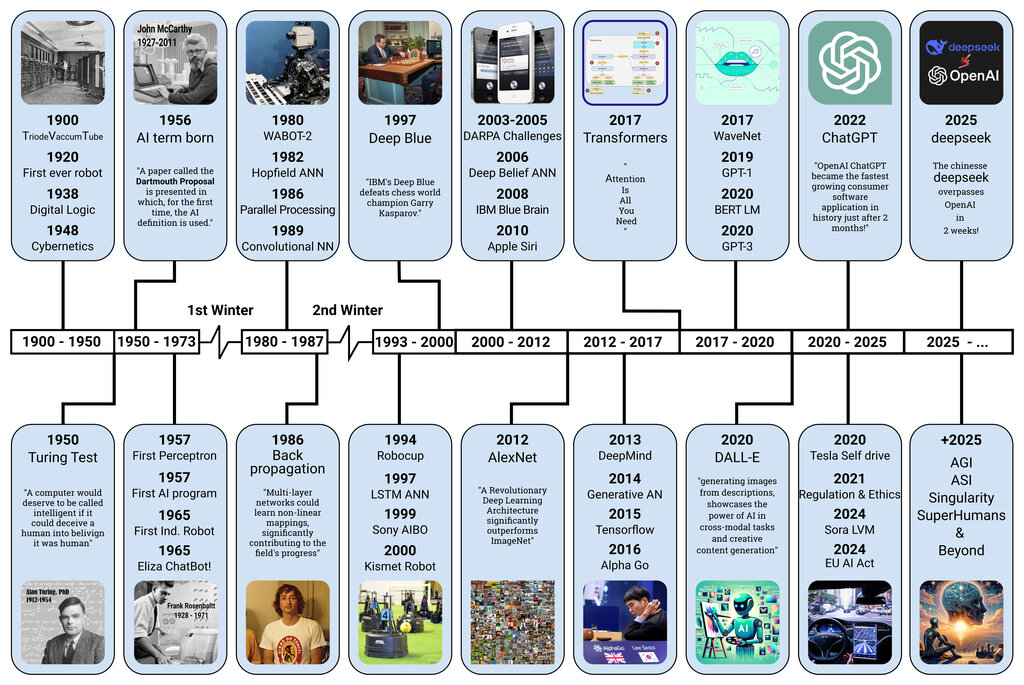
A Quick Trip Through Time
The idea of intelligent machines has been around for centuries, but the formal field of AI research began in the mid-1950s. The journey wasn't a straight line to success. It was marked by periods of intense optimism and funding, followed by “AI winters” where progress stalled and interest waned.
Early AI focused on rule-based systems. A program might be given a set of rules for playing chess, for example. While effective for specific, well-defined problems, this approach was brittle. It couldn't handle the messiness and uncertainty of the real world.
The modern era of AI was supercharged by two key developments: the availability of massive amounts of data (thanks to the internet) and powerful, affordable computers. These ingredients allowed a technique called machine learning to flourish, leading to the breakthroughs we see today.
The Many Faces of AI
AI isn't a single technology; it's a collection of different subfields, each with its own focus. An AI engineer often specializes in one or more of these areas.
| Subfield | What It Is | Example Application |
|---|---|---|
| Machine Learning | Algorithms that learn patterns from data without being explicitly programmed. | A spam filter that learns to identify junk email based on past examples. |
| Deep Learning | A subset of machine learning using complex, multi-layered neural networks. | Self-driving cars identifying pedestrians and other vehicles. |
| Natural Language Processing (NLP) | Enabling computers to understand, interpret, and generate human language. | Voice assistants like Siri or Alexa understanding your commands. |
| Computer Vision | Training computers to interpret and understand information from images and videos. | Unlocking your phone with facial recognition. |
| Robotics | Designing and building robots that can perform tasks in the physical world. | Automated robots assembling products in a factory. |
These fields often overlap. For instance, a sophisticated robot would use computer vision to navigate its environment and perhaps NLP to interact with humans.
The Role of the AI Engineer
If data scientists are like researchers who analyze data to find insights, then AI engineers are the builders who use those insights to create functional AI products. They design, build, and deploy AI systems that can solve real-world problems.
Their work is a blend of software engineering, data science, and machine learning principles. An AI engineer doesn't just train a model; they build the entire infrastructure that allows that model to run reliably and efficiently. They are responsible for turning a promising AI concept into a working piece of technology.
An AI engineer is responsible for creating systems and models that enable machines to perform tasks that typically require human intelligence.
To do this, an AI engineer needs a diverse toolkit of skills. Strong programming ability, particularly in languages like Python, is fundamental. They also need a solid understanding of data structures, algorithms, and software design. Beyond that, a deep knowledge of machine learning frameworks, data pipelines, and cloud computing is essential.
But the skills aren't just technical. AI engineers must also be creative problem-solvers. They need to understand the business problem they're trying to solve and figure out the best way to apply AI to address it.
Ready to test your understanding of these core concepts? This quiz will help you check your knowledge so far.
What is the primary characteristic that distinguishes an AI system from traditional software?
The periods in AI history characterized by reduced funding and a loss of interest in the field are known as what?
AI is more than just a technical discipline; it's a force reshaping industries and society. From making medical diagnoses more accurate to personalizing online shopping, its impact is widespread and growing. Understanding the foundations of AI engineering is the first step toward building and navigating this new technological landscape.