AI Engine Optimization Strategies
Introduction to AI Optimization
A New Kind of Search
For years, getting your content seen online meant playing by the rules of traditional search engines. You'd focus on keywords, and your goal was to appear as a blue link on a results page. Think of it like using a library's card catalog—it points you to the right books, but you still have to read them to find the answer.
Artificial intelligence is changing the game. AI-powered search engines and chatbots don't just point you to sources; they act more like a knowledgeable librarian. They read multiple sources, synthesize the information, and give you a direct answer. Your content is no longer just a destination—it's a source used to build something new.
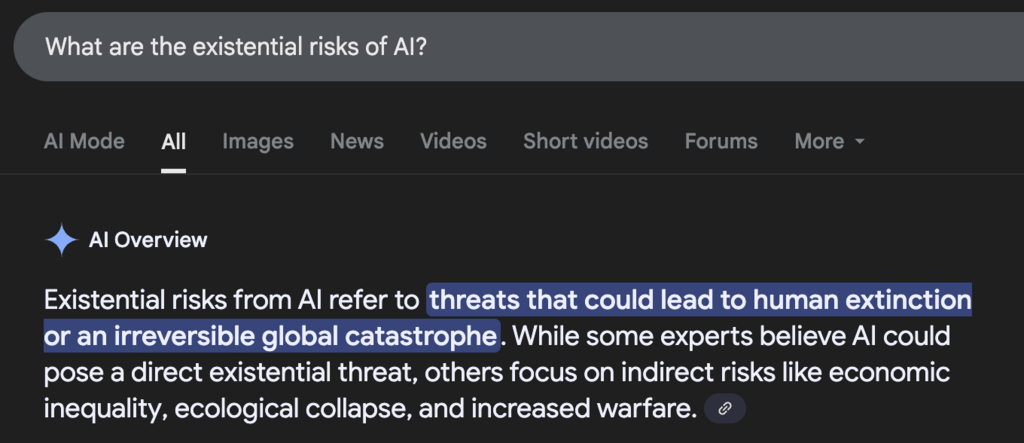
This shift means we have to think differently about how we create content. Instead of just trying to rank, we now need to make our information as easy as possible for an AI to understand, verify, and use as a trusted source.
Teaching the Machine
AI models thrive on clarity and structure. Unlike humans, they can't easily infer meaning from vague language or disorganized layouts. To optimize for AI, your writing needs to be direct, factual, and logically organized. Think of it as writing a clear instruction manual rather than a poetic novel. The AI needs the manual.
Use simple sentence structures and define key terms. Break down complex topics into smaller, digestible parts with clear headings. Factual accuracy is also paramount. AI systems cross-reference information from across the web to determine what is credible. If your content is accurate and consistent, it's more likely to be treated as a reliable source.
For an AI to trust your content, it first has to understand it. Clarity and accuracy are the foundation of that trust.
Giving AI a Roadmap
Besides writing clearly, you can give AI models explicit clues about your content using structured data. This is a standardized format for providing information about a page and classifying its content. Think of it as adding labels to your information so a machine can read it instantly.
For example, instead of just writing "The AI conference is on October 26th at City Hall," you can use a special code called schema markup to label that information. You're essentially telling the AI: "This is an event. The event name is 'The AI Conference.' The date is 'October 26th.' The location is 'City Hall.'" This removes any guesswork and helps the AI process your information quickly and accurately.
This markup doesn't change how the page looks to a human visitor, but it creates a clear, machine-readable roadmap. By making your content unambiguous and easy to process, you increase the chances that AI systems will feature it in their generated answers.