AI Development Foundations
AI Architecture Fundamentals
The Blueprint of an AI System
Think about building a high-tech kitchen. You wouldn't just throw a stove, a fridge, and a sink into a room and hope for the best. You'd need a plan: a blueprint that shows where everything goes, how the plumbing connects, and how electricity flows to each appliance. This ensures everything works together smoothly.
AI architecture is the blueprint for an artificial intelligence system. It's the fundamental structure that outlines how all the different parts—from data collection to the final application—connect and communicate. A good architecture ensures the system is efficient, scalable, and reliable.
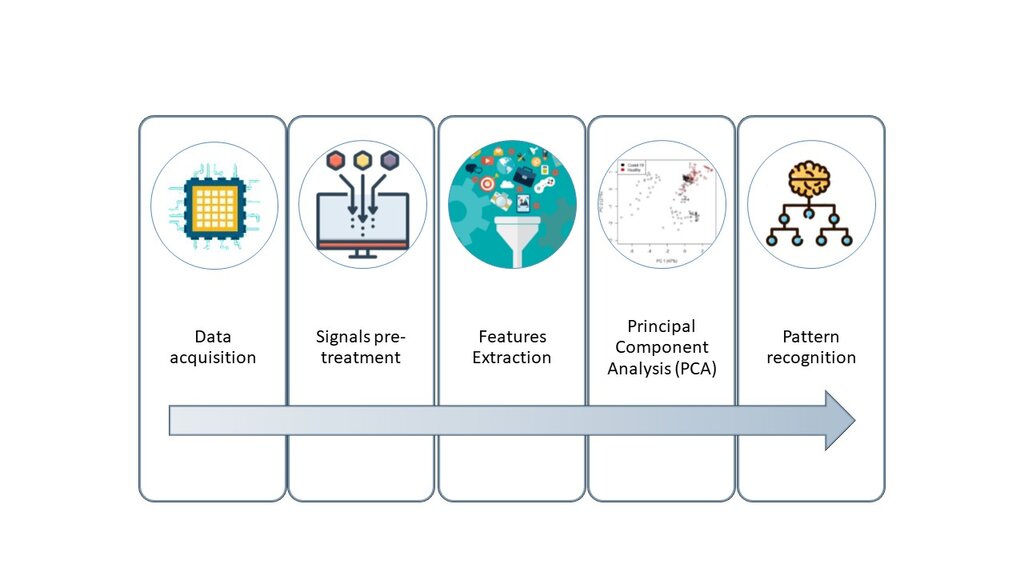
This diagram shows the journey from raw information to a functioning AI application. Let's walk through each of these core components.
From Raw Data to Ready Fuel
Every AI system is hungry for data. Data ingestion is the process of getting that data into the system. It could come from anywhere: user activity on a website, sensor readings from a factory, or a massive database of images. It's the first step—opening the pantry door.
But raw data is often messy, like a pile of unwashed, unprepared ingredients. That's where data processing comes in. This stage cleans, formats, and structures the data to make it usable for an AI model. This might involve removing errors, filling in missing values, and converting all the data into a consistent format. The goal is to turn chaotic, raw information into high-quality fuel for the AI.
Teaching the Machine
Model training is the heart of the AI process. Here, an algorithm learns from the clean, processed data. Think of it as a student studying for a test. The algorithm looks for patterns, relationships, and insights within the data. For example, by analyzing thousands of pictures of cats, a model learns to identify what a cat looks like. This learning process is repeated over and over, with the model getting progressively better at its task.
Once the model is trained and tested, it's ready for deployment. This means putting the model into a live environment where it can be used. A deployed cat-detection model could be part of a photo-tagging app, while a deployed forecasting model might help a business predict sales. Deployment isn't the end; models are often monitored and retrained with new data to keep them accurate and relevant.
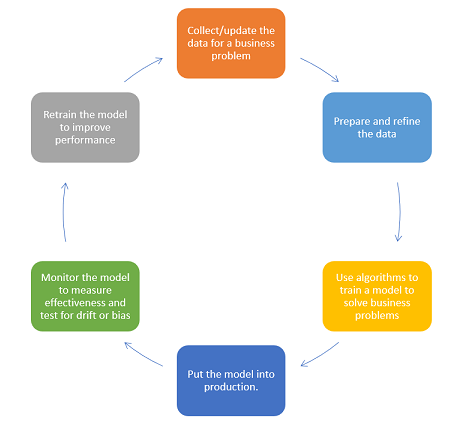
With these components in place, the next challenge is making them communicate effectively, especially in large, complex systems. That's where architectural patterns come in.
Connecting the Pieces
In a simple system, components might just talk directly to each other. But as systems grow, this direct communication becomes a tangled mess. Architectural patterns provide elegant solutions to keep things organized and efficient.
One of the most common patterns is the publish-subscribe model, or "pub/sub." Instead of sending messages directly to each other, components send messages to a central channel, like a public notice board. Other components can then "subscribe" to that channel to receive the messages they care about.
Imagine a news agency. It doesn't call every single reader to tell them the news. Instead, it publishes articles, and readers (subscribers) choose to read what interests them. That's the pub/sub pattern.
This setup is managed by a message broker. The broker is the notice board—a central hub that receives messages from publishers and distributes them to the correct subscribers. This decouples the components; the data ingestion service doesn't need to know anything about the data processing service, it just needs to publish its data. This makes the system more flexible and easier to scale.
By understanding these core components and patterns, you can see how a well-designed AI architecture works like a finely tuned machine, seamlessly turning raw data into intelligent action.
What is the primary purpose of an AI architecture?
In the AI process, which stage is most analogous to cleaning, formatting, and structuring raw ingredients before cooking a meal?