AI Design Systems
Introduction to AI System Design
More Than a Model
When we think of artificial intelligence, we often picture a complex algorithm or a powerful computer brain. But an AI system is much more than just the machine learning model at its core. It's a complete product that people interact with. Designing one is like building a car. The engine (the AI model) is critical, but without a steering wheel, seats, and brakes, it’s not a useful vehicle.
AI system design is the process of building that whole car. It involves figuring out what problem the AI will solve, how people will use it, what data it needs, and how to present its results in a way that makes sense. It’s a discipline that blends data science with product design, user experience, and ethics.
Putting People First
The most effective AI systems are built with the user in mind from the very beginning. This approach is called human-centered design. Instead of starting with what the technology can do, we start by asking what people need.
Think about a weather app. A purely technology-driven app might show you raw meteorological data like barometric pressure and wind shear. That's accurate, but not very helpful for most people. A human-centered app understands that you just want to know if you should bring an umbrella. It translates complex data into a simple, useful answer: "80% chance of rain at 3 PM."
For AI, this is especially important. AI can feel like a black box, so designing for clarity and ease of use helps build trust and makes the technology genuinely useful in everyday life.
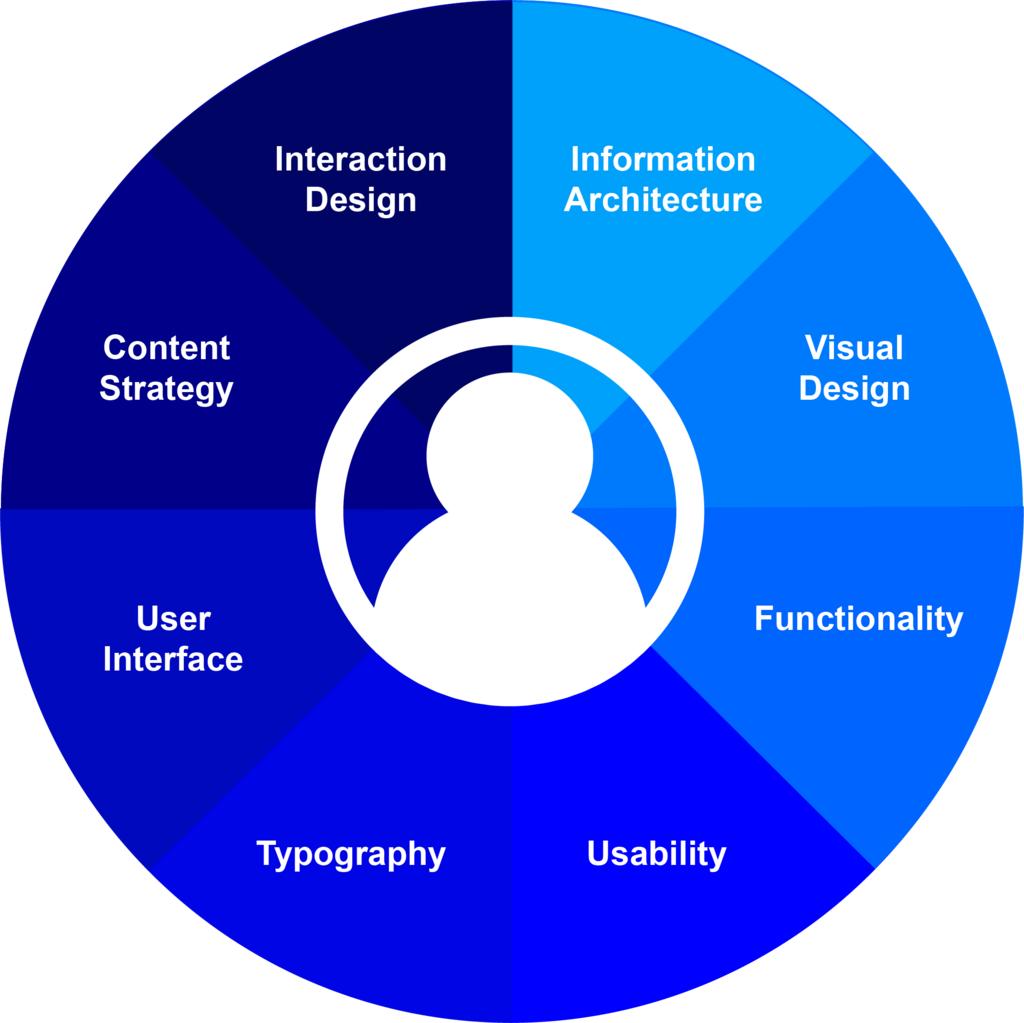
A key part of putting people first is making sure they aren't left in the dark by the technology they're using. If a user is going to trust an AI's recommendation, whether it's for a movie or a medical diagnosis, they need a basic sense of where that recommendation came from. This leads to two crucial principles: transparency and accountability.
Opening the Black Box
Transparency in AI is the idea that an AI system should be able to explain how it reached a decision. It’s the opposite of a “black box,” where data goes in and an answer comes out with no explanation.
Imagine an AI system designed to help doctors detect diseases from medical scans. If the AI simply says "disease detected," a doctor can't fully trust it. But if the AI highlights the specific areas on the scan that led to its conclusion, the doctor can use their own expertise to verify the finding. This makes the AI a powerful tool rather than an opaque authority.
This is also critical for fairness. If an AI system denies someone a loan, transparency means it can provide a reason, like "high credit utilization," rather than just a simple "no." This allows for errors to be caught and corrected.
Transparency isn't about understanding every mathematical detail. It's about getting a clear, simple explanation for the AI's decisions.
When you have transparency, you can have accountability. Accountability means defining who is responsible when an AI system makes a mistake. Is it the developers who wrote the code? The organization that used the system? The user who acted on its advice?
Good AI system design plans for this. It involves creating clear lines of responsibility, building in ways for users to appeal decisions, and ensuring that there are humans in the loop for important judgments. It's about acknowledging that AI systems aren't perfect and creating a framework to manage their failures responsibly.
Use of artificial intelligence (AI) in human contexts calls for ethical considerations for the design and development of AI-based systems.
These core principles—human-centered design, transparency, and accountability—are the foundation for creating AI that is not just powerful, but also safe, fair, and trustworthy.
What is the primary focus of a human-centered approach to AI system design?
An AI system used by a bank denies a loan application but doesn't provide a reason. This system lacks which key principle?