AI Design Prompt Mastery
Introduction to AI Art
From Words to Pictures
Imagine describing a scene in great detail to an artist who can paint it in seconds. That's the basic idea behind AI art. You provide a written description, called a prompt, and an AI model generates a unique image based on your words. It could be anything from "a blue orange sitting on a park bench" to "a photorealistic portrait of an astronaut riding a horse on Mars."
This technology isn't magic; it's the result of training massive artificial intelligence models on vast libraries of images and their corresponding text descriptions. By analyzing this data, the AI learns the connections between words and visual concepts. It understands what a "cat" looks like, what "impressionist style" means, and how to combine them into a single picture.
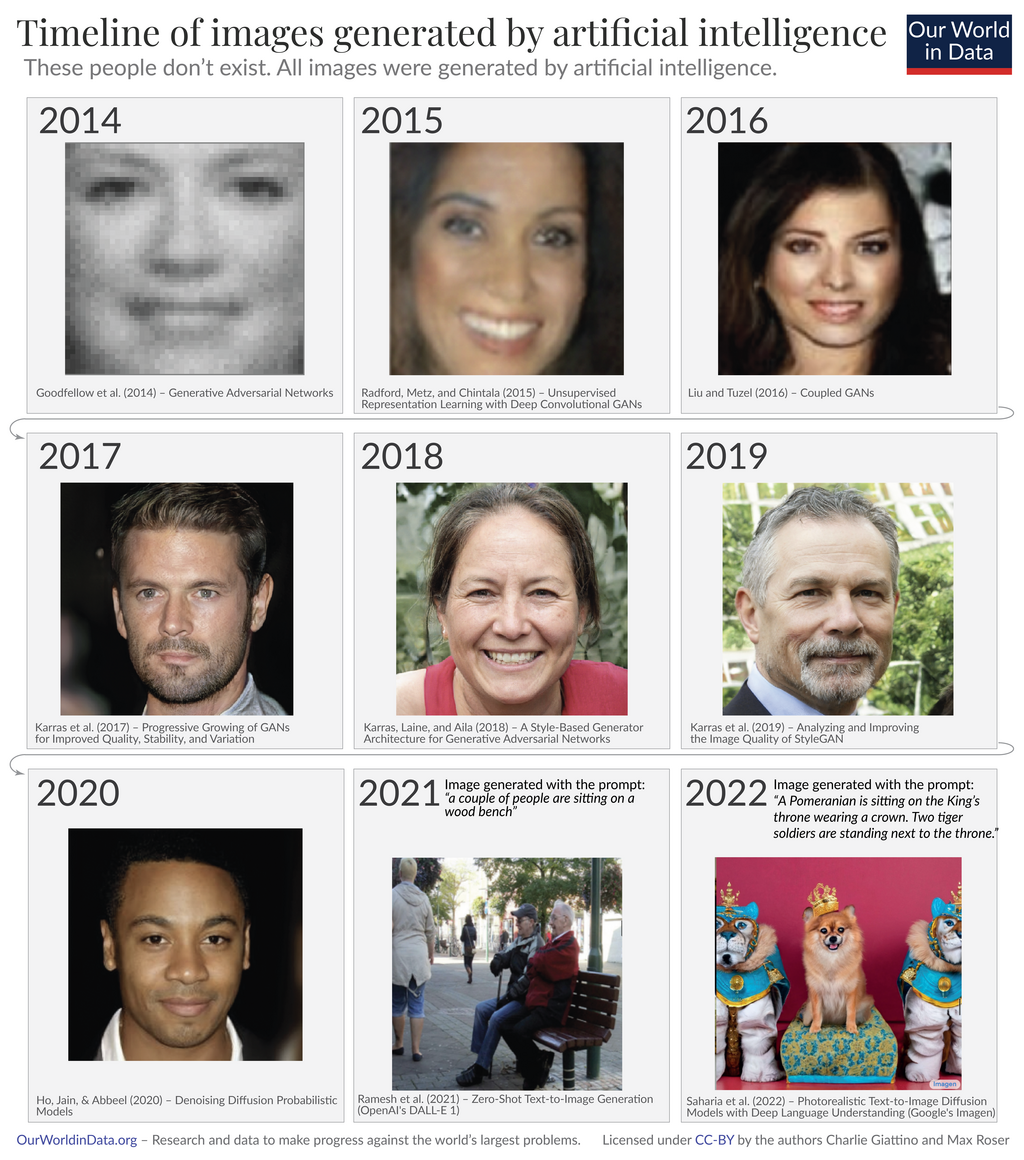
The results have become remarkably sophisticated in a very short time. What started as blurry, abstract creations has evolved into images that can be indistinguishable from photographs or professional digital art.
The Digital Artists
Several different AI models are known for generating art, each with its own characteristics. Think of them as different artists with unique styles.
DALL-E, developed by OpenAI, is known for being user-friendly and creative, often excelling at producing artistic or surreal images.
Midjourney is famous for its highly stylized, beautiful, and often painterly results. It's popular among artists and designers for creating polished, aesthetically pleasing images.
Stable Diffusion is an open-source model, which means it's more accessible and customizable. It's a powerful and versatile tool that can produce a wide range of styles, from photorealism to cartoons.
Each model interprets the same prompt differently, giving you a variety of artistic outcomes for the same idea.
Capabilities and Limits
AI art generators are incredibly powerful. They can create stunning visuals, brainstorm ideas, and produce unique styles that would be difficult to create by hand. You can ask for a specific art movement, a particular lighting setup, or even the style of a certain camera lens.
However, they have limitations. AI models can struggle with complex concepts that require real-world understanding, like logic or counting. Getting specific details just right, such as the number of fingers on a hand or the correct spelling of text within an image, can be a challenge. The AI is a master of pattern and style, but it doesn't truly understand the world the way we do.
The true power of creating AI art with Midjourney lies in understanding and leveraging its various parameters.
Because of these quirks, creating great AI art is a skill. It involves learning how to write clear, descriptive prompts and refining your ideas based on the AI's output. It's a creative partnership between you and the machine.
In the context of AI art generation, what is a "prompt"?
Which AI model is open-source, making it more accessible and customizable for users?
Next, we'll dive into how to start crafting effective prompts to guide these powerful tools.