AI Data Storage Strategies
Introduction to Data Storage
Storing the Fuel for AI
Artificial intelligence runs on data. Think of data as the fuel that powers an engine. Without high-quality fuel, even the most advanced engine will sputter and fail. Before an AI can learn, predict, or create, it needs access to vast amounts of well-organized information. This is where data storage comes in.
How we store data directly impacts how effectively an AI can use it.
Storing data isn't just about finding a place to dump files. It involves choosing the right systems and structures to hold information so it's accessible, secure, and ready for analysis. Let's start with the two main forms data takes.
Structured vs. Unstructured Data
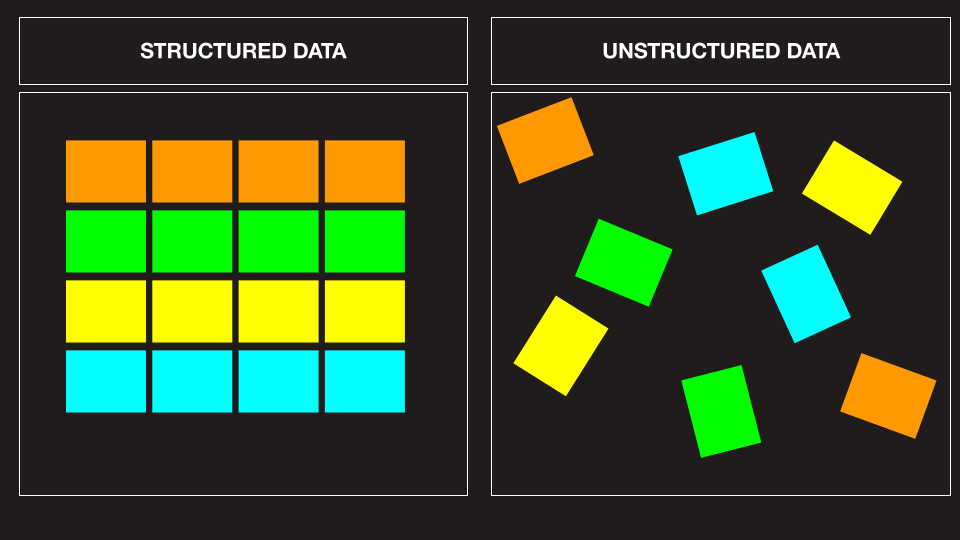
Imagine a perfectly organized spreadsheet. Each column has a clear label (like "Name," "Email," or "Price"), and each row contains a specific entry that fits neatly into those columns. This is structured data. It's highly organized and follows a predefined model, making it simple to search and analyze.
Financial records, customer contact lists, and sales transactions are common examples of structured data. It's predictable and easy for both humans and computers to read.
Now, picture a messy drawer filled with old photographs, handwritten notes, and newspaper clippings. This is unstructured data. It doesn't have a predefined format or organization. Emails, social media posts, videos, audio files, and articles are all forms of unstructured data.
While it’s much harder to analyze, this type of data holds a massive amount of rich, contextual information. A huge part of modern AI is dedicated to making sense of this beautiful mess.
So, how do we manage these different kinds of information? We use digital filing cabinets called databases.
Databases: The Digital Filing Cabinets
Database
noun
An organized collection of data stored and accessed electronically from a computer system.
A database provides a systematic way to create, retrieve, update, and manage data. Not all databases are the same, however. They are generally split into two major categories: SQL and NoSQL.
| Type | Best For | Data Structure | Example |
|---|---|---|---|
| SQL (Relational) | Structured data | Table-based (rows & columns) | Financial transactions |
| NoSQL (Non-Relational) | Unstructured & semi-structured | Document, key-value, graph | Social media feeds, catalogs |
SQL databases, like a meticulous accountant, demand structure. They use tables to store data and enforce strict rules about how that data is related. This makes them reliable for tasks that require consistency, like banking or e-commerce inventory.
NoSQL databases are more flexible. They can handle all sorts of data without forcing it into neat tables. This makes them ideal for the massive and varied datasets common in AI applications, such as analyzing user behavior on a website or processing sensor data from smart devices.
Where It All Lives
Finally, we need to decide on the physical or virtual location for our data. This is its storage architecture. For a long time, companies stored data on their own physical servers, a practice known as on-premises storage. This gives them full control but can be expensive and difficult to scale.
Today, cloud storage is much more common. Services like Amazon Web Services (AWS), Google Cloud, and Microsoft Azure offer vast, scalable storage without the need to manage physical hardware. This flexibility is perfect for AI, where data needs can grow unpredictably.
Within these architectures, you’ll often hear two terms: data warehouses and data lakes.
- A data warehouse primarily stores structured, filtered data that has already been processed for a specific purpose. It's like a library of curated reports.
- A data lake is a vast pool of raw data in its native format. It holds everything, structured and unstructured, without a predefined plan for its use. It's a reservoir of potential insights for AI to explore.
Choosing the right combination of database and storage architecture is a foundational step in building any AI system. It ensures your data is not just stored, but ready to be turned into action.
Time to check what you've learned.
Which of the following is the best example of unstructured data?
An e-commerce company needs a database to manage its inventory and sales transactions, where data consistency is critical. Which type of database would be most suitable?
Understanding how data is stored is the first step toward unlocking its potential with AI. With these fundamentals in place, you're ready to explore how AI models actually learn from this information.