AI Data Center Components and Infrastructure
Introduction to AI Data Centers
The Home of AI
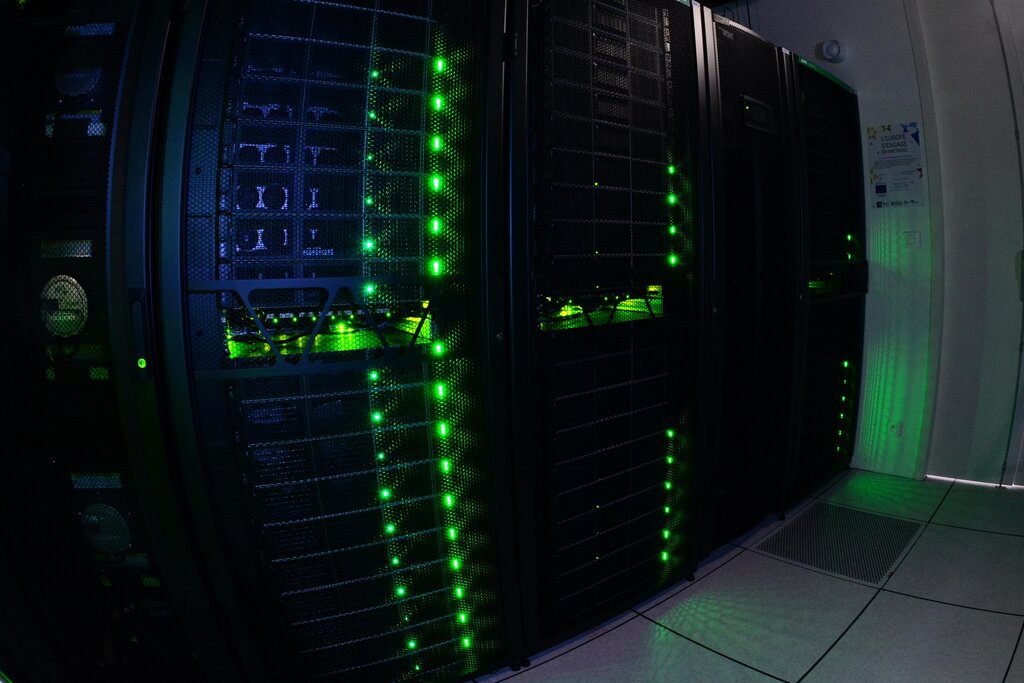
At its core, a data center is just a building. But instead of housing people or offices, it houses the engines of the digital world: powerful computers, massive storage systems, and all the networking gear to connect them. Think of it as the physical home for the internet and the cloud.
Every time you stream a movie, send an email, or use an app, you're connecting to a data center somewhere. These facilities are the backbone of our digital lives, working silently in the background.
Why AI Needs a Special Home
Artificial intelligence isn't magic. It's incredibly complex math, performed at a scale that's hard to imagine. Training a large AI model, like the kind that powers a chatbot or creates images from text, requires more computational muscle than standard applications.
This is where AI data centers come in. They are built specifically to handle these demanding tasks. Instead of just standard computer processors, they are packed with thousands of specialized chips, like GPUs, that are exceptionally good at the parallel calculations AI requires.
Standard data centers are built for volume and reliability. AI data centers are built for raw, concentrated power.
This need for power is driving a global construction boom. As companies race to develop more advanced AI, the demand for facilities that can support them is exploding.
Data centers have emerged as the primary engines of this demand, racing to build AI infrastructure for cloud and HPC at an unprecedented scale.
The Energy Question
All that computing power comes at a cost. AI workloads are incredibly energy-intensive. The specialized chips generate immense heat and require constant cooling, while the computations themselves draw huge amounts of electricity.
Even before the recent AI surge, data centers were significant consumers of global energy. Now, with the rapid growth of AI, their energy needs are skyrocketing.
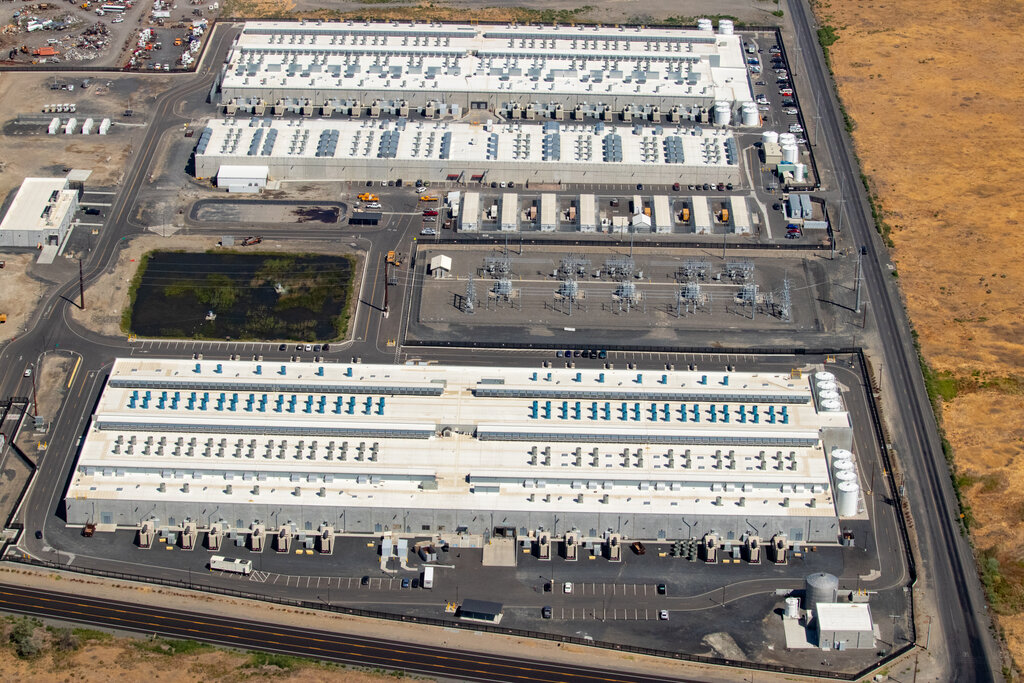
One study estimated that by 2027, the AI sector's electricity consumption could be comparable to the annual energy use of a country the size of the Netherlands. This staggering demand has major implications for energy grids, environmental sustainability, and the cost of developing AI technologies.
The rapid expansion of artificial intelligence has significantly increased the electricity, water, and carbon demands of modern data centers, raising sustainability concerns.
Understanding the physical infrastructure behind AI is crucial. The growth, power, and environmental impact of data centers are all key factors shaping the future of artificial intelligence.
What is the primary function of a data center?
What is a key feature that distinguishes an AI data center from a traditional one?