AI Course Generation Startup
Understanding AI in Education
What is AI?
Artificial intelligence, or AI, is the science of making computers that can think and learn like humans. It's not about creating sentient robots from science fiction. Instead, it's about designing systems that can recognize patterns, make decisions, and solve problems.
For decades, AI was mostly a concept explored in labs and universities. Early systems could play chess or solve simple logic puzzles. But recent advances in computing power and data analysis have brought AI into our daily lives, from a mapping app that finds the fastest route to a streaming service that knows what you want to watch next.
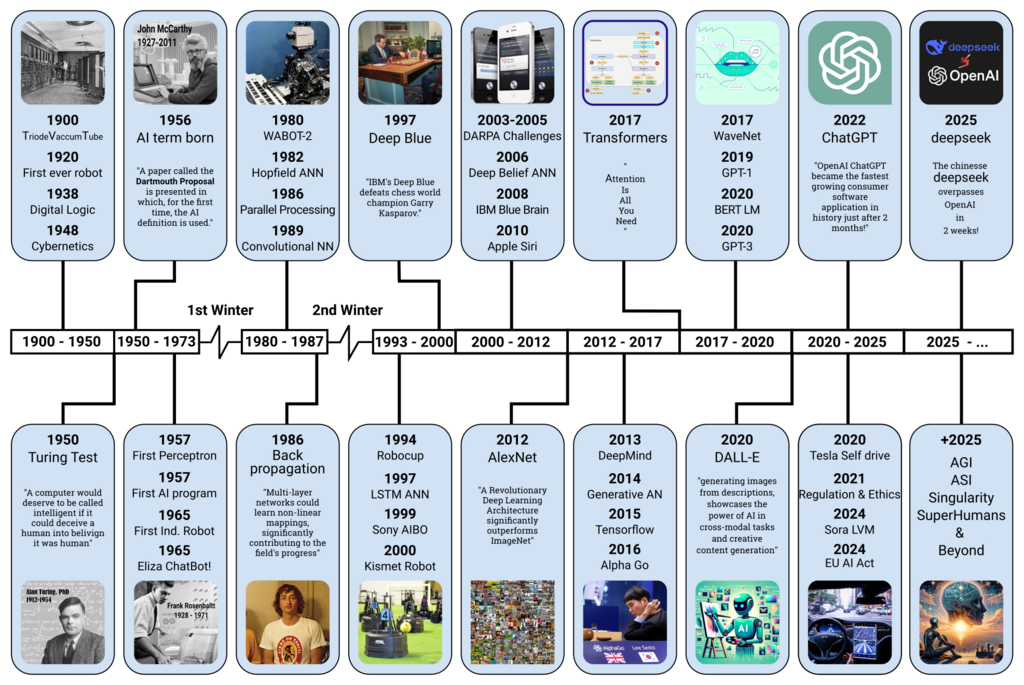
This rapid evolution is now changing the way we learn. AI is moving from the background of our lives directly into the classroom.
AI in the Classroom
In education, AI isn't meant to replace teachers. It acts as a powerful assistant, helping to create more personalized and effective learning experiences. Think of it as a tool that can adapt to the unique needs of every student in a way that one teacher with a class of thirty simply can't.
Some common applications include:
-
Personalized Learning: AI platforms can analyze a student's performance and create custom lesson plans. If a student is struggling with algebra, the system can provide extra practice problems and tutorials. If they're excelling, it can offer more challenging material to keep them engaged.
-
Intelligent Tutoring Systems: These are like a private tutor available 24/7. They can guide students through difficult concepts, provide instant feedback on their work, and answer questions as they arise.
-
Automated Grading: AI can handle the time-consuming task of grading multiple-choice quizzes and even some short-answer questions. This frees up educators to focus on more complex tasks, like leading discussions and providing one-on-one student support.
By automating routine tasks, AI gives teachers more time to do what they do best: inspire and guide their students.
The benefits extend to content creation as well. Educators can use AI to generate fresh ideas for lesson plans, create practice worksheets, or even design interactive learning modules. This helps keep educational content relevant and engaging, adapting to new information and teaching methods.
Challenges and Ethics
Adopting any new technology comes with challenges, and AI is no exception. It's crucial to approach its integration into education thoughtfully.
One of the biggest concerns is data privacy. AI systems learn by analyzing large amounts of data, which in an educational setting, means student data. Schools and developers have a responsibility to be transparent about what data is collected, how it's used, and who has access to it. Protecting student information is paramount.
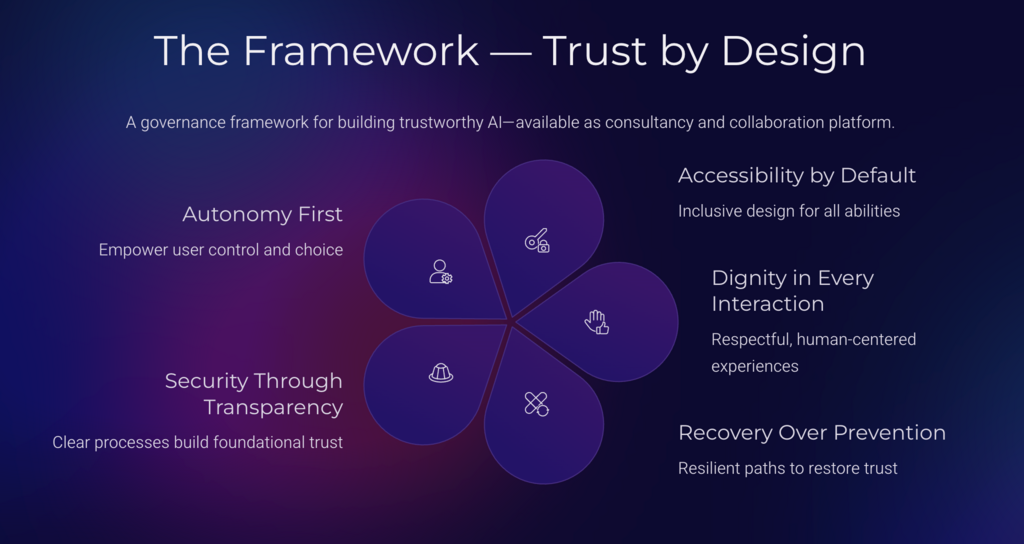
Another major issue is bias. AI models are trained on data from the real world, and if that data contains biases, the AI will learn and potentially amplify them. For example, if an AI is trained on historical data that reflects societal inequalities, it might make biased recommendations or assessments. Ensuring fairness and equity in AI tools requires careful design and constant monitoring.
Finally, we must consider the importance of human connection. Learning is a social and emotional process. While AI can provide personalized instruction, it can't replace the mentorship, encouragement, and real-world wisdom that a human teacher provides.
It emphasizes the evolving role of teachers as facilitators and the importance of fostering student initiative in AI-rich environments.
The goal is to find a balance where technology supports human-led instruction, making education more efficient and accessible without losing the essential human element.
Ready to check your understanding of AI in education?
What is the primary role of AI in education, as described in the text?
An AI model trained on historical data that reflects societal inequalities might make biased recommendations. Is this statement true or false?