AI Course Creation Explained
Introduction to AI in Education
AI in the Classroom
When we talk about Artificial Intelligence (AI) in education, we're not talking about robot teachers. Instead, think of AI as smart software designed to help create and deliver learning experiences. It's a tool that can handle tasks from personalizing lessons to automating grading, freeing up educators to focus on teaching.
Early educational software could only follow simple, pre-programmed rules. Today’s AI is far more advanced. It can understand language, recognize patterns, and even generate new content. This evolution didn't happen overnight; it’s the result of decades of innovation.
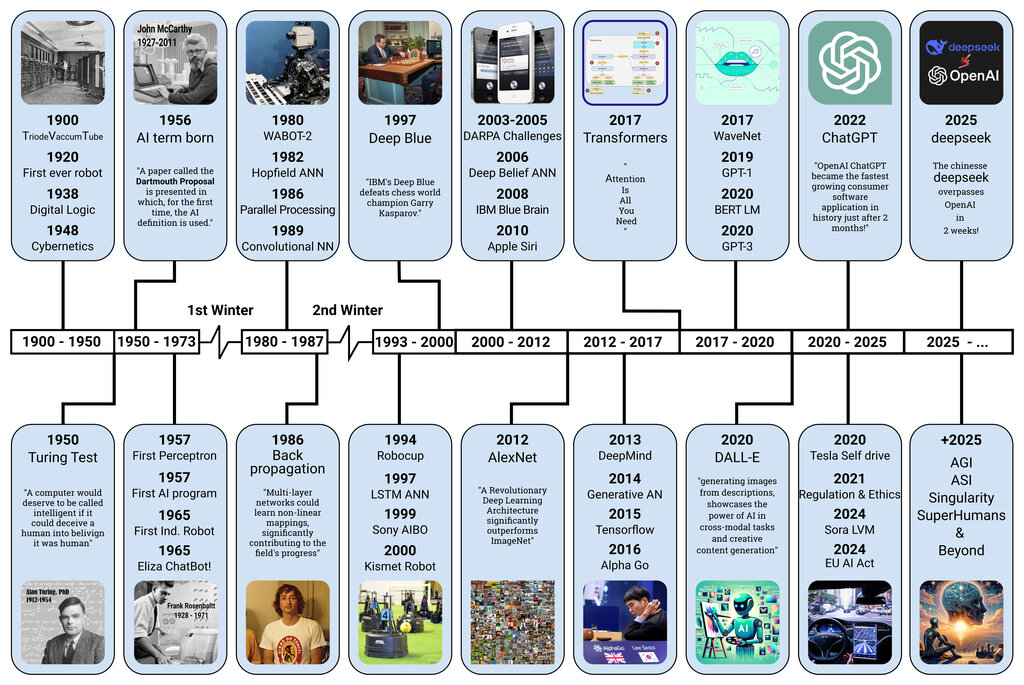
These breakthroughs have made AI a powerful partner in developing online courses. It can help build learning experiences that are more effective, engaging, and tailored to individual students.
Smarter Course Creation
So, how does AI actually help build a course? Its role can be broken down into a few key areas.
First is personalization. AI can analyze a student's performance and adapt the learning path accordingly. If a student masters a concept quickly, the system can introduce more advanced topics. If they struggle, it can offer review materials or different types of exercises. This ensures every student gets the support they need.
Second is automation. Creating course content is time-consuming. AI can speed up the process by generating quiz questions, summarizing long articles, or creating flashcards from a block of text. This helps educators produce high-quality materials more efficiently.
Imagine an online course that adapts to you. If you master a topic quickly, it moves you ahead. If you're struggling, it offers extra practice. That's the power of AI-driven personalization.
Finally, AI provides data-driven insights. By analyzing how students interact with course materials, AI can identify which lessons are most effective and where learners are getting stuck. Educators can use this feedback to refine their courses and improve learning outcomes for future students.
Benefits and Hurdles
Integrating AI into education brings clear benefits, like making learning more flexible and accessible. It saves educators time on administrative work, allowing them to focus more on student interaction and mentorship.
However, it's not without challenges. One major concern is algorithmic bias. If an AI is trained on biased data, it can perpetuate and even amplify unfairness. There's also the question of data privacy and ensuring student information is protected.
This is why human oversight is crucial. AI is a tool to assist, not replace, human educators.
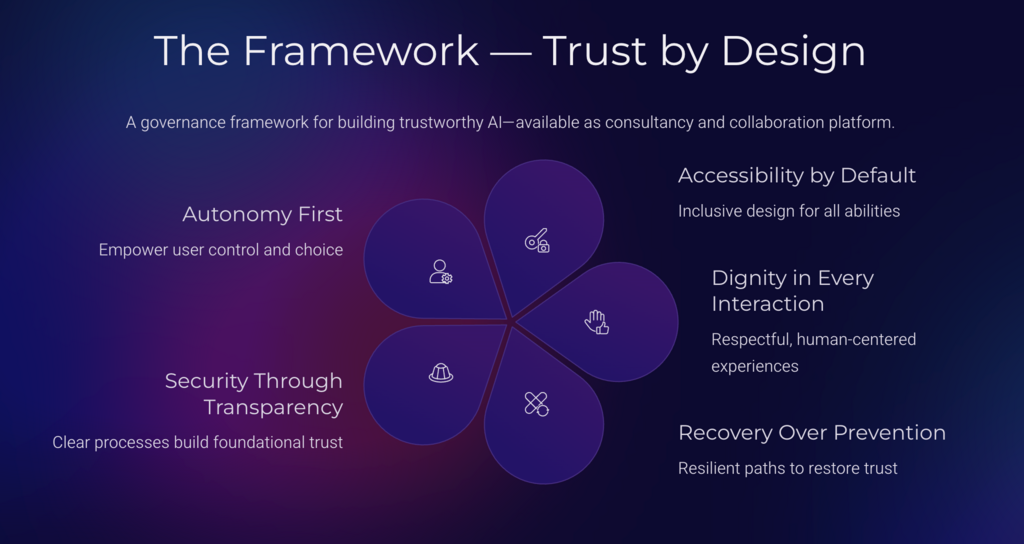
Success with AI in instructional design requires a balanced approach - combining powerful automation capabilities with human expertise and oversight.
Ethical considerations must guide the development and use of AI in education. We need to ensure these tools are used responsibly to create fair and effective learning environments for everyone.
Ready to check your understanding of AI's role in education?
What is the primary role of AI in an educational context, as described in the text?
Which of the following is NOT described as a key area where AI helps build a course?
By understanding both the potential and the pitfalls, educators can use AI to create better learning experiences while keeping the human element at the heart of education.