AI Copilots Explained
Introduction to AI Copilot Tools
What Is an AI Copilot?
An AI copilot is a smart assistant that works alongside you in your digital tools. Think of it less like an autopilot that takes over completely and more like a helpful partner in the passenger seat. It can suggest what to write next, summarize long documents, or even generate code, but you're always the one in control.
The main purpose of a copilot is to handle repetitive or time-consuming tasks, freeing you up to focus on more creative and strategic work.
These tools integrate directly into software you already use, from word processors and spreadsheets to coding environments. They observe the context of your work and offer relevant, real-time assistance. This could mean finishing a sentence in an email, creating a presentation from a simple prompt, or debugging a tricky piece of code.
How Do They Work?
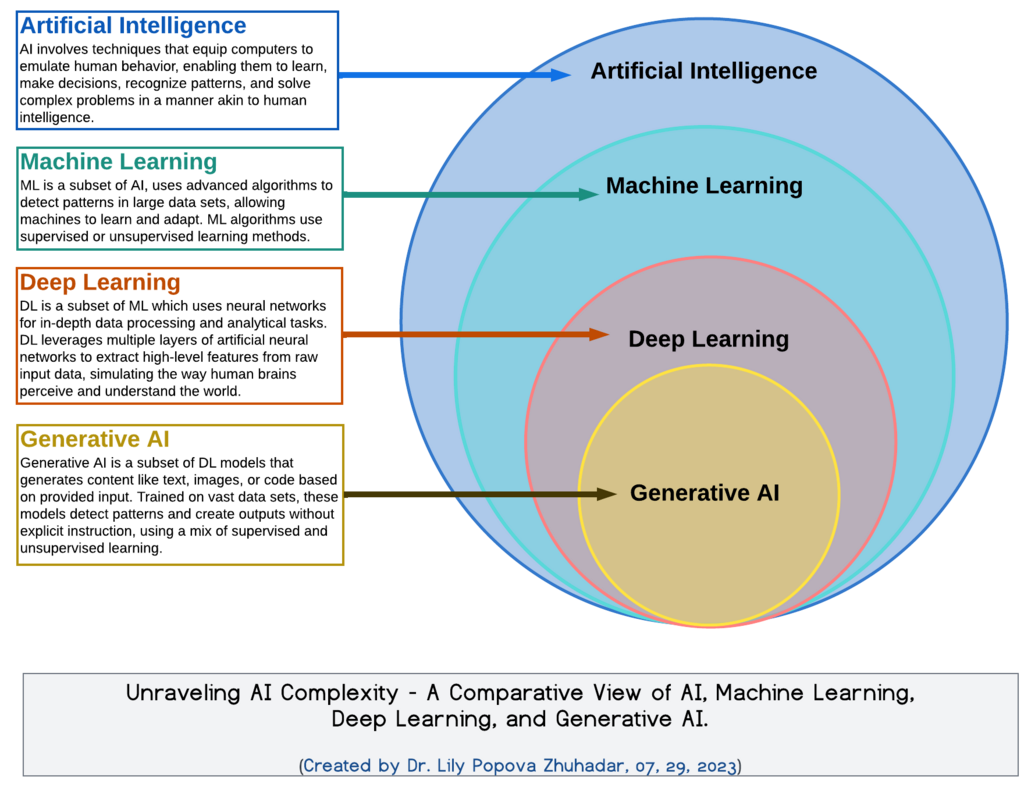
The magic behind AI copilots comes from a few core technologies. The most important one is the Large Language Model, or LLM. You can think of an LLM as a massive brain that has been trained on a gigantic library of text and code from the internet. This training allows it to understand patterns, context, grammar, and even programming logic.
A copilot is an application that uses modern AI and large language models such as GPT-4 to help people with everyday tasks, allowing them to spend more time on the highest value parts of their job and less time on mundane chores.
This training process relies on machine learning, a field of AI where systems learn from data rather than being explicitly programmed for a task. Through machine learning, the copilot learns to predict the most likely next word in a sentence or the most logical line of code, making its suggestions surprisingly relevant. These technologies are all subsets of the broader field of Artificial Intelligence.
Benefits and Challenges
Integrating an AI copilot into your workflow can bring significant benefits. The most immediate is a boost in productivity. Repetitive tasks that used to take hours can be completed in minutes. Copilots can also serve as a creative partner, helping you brainstorm ideas or overcome writer's block. For developers, they act as a pair programmer, catching errors and suggesting efficient solutions.
By handling routine tasks, AI copilots allow professionals to focus more on high-level problem-solving and innovation.
However, adopting these tools comes with challenges. The suggestions they provide aren't always perfect and require careful review. Over-reliance on a copilot can hinder learning and critical thinking, as it's easy to accept a suggestion without fully understanding it.
There are also concerns about data privacy, since the copilot often needs access to your content to provide context-aware help. Finally, the generated output can sometimes be inaccurate or biased, reflecting the data it was trained on. It's crucial to treat the AI as a helpful but fallible assistant, not an absolute authority.
Let's check your understanding of these foundational concepts.
Which analogy best describes the role of an AI copilot?
What is the core technology that allows an AI copilot to understand context and generate human-like text?
AI copilots are powerful tools for boosting efficiency, but their effectiveness depends on understanding how they work and using them wisely.