AI Content Goes Viral
Understanding AI-Generated Content
What Is AI-Generated Content?
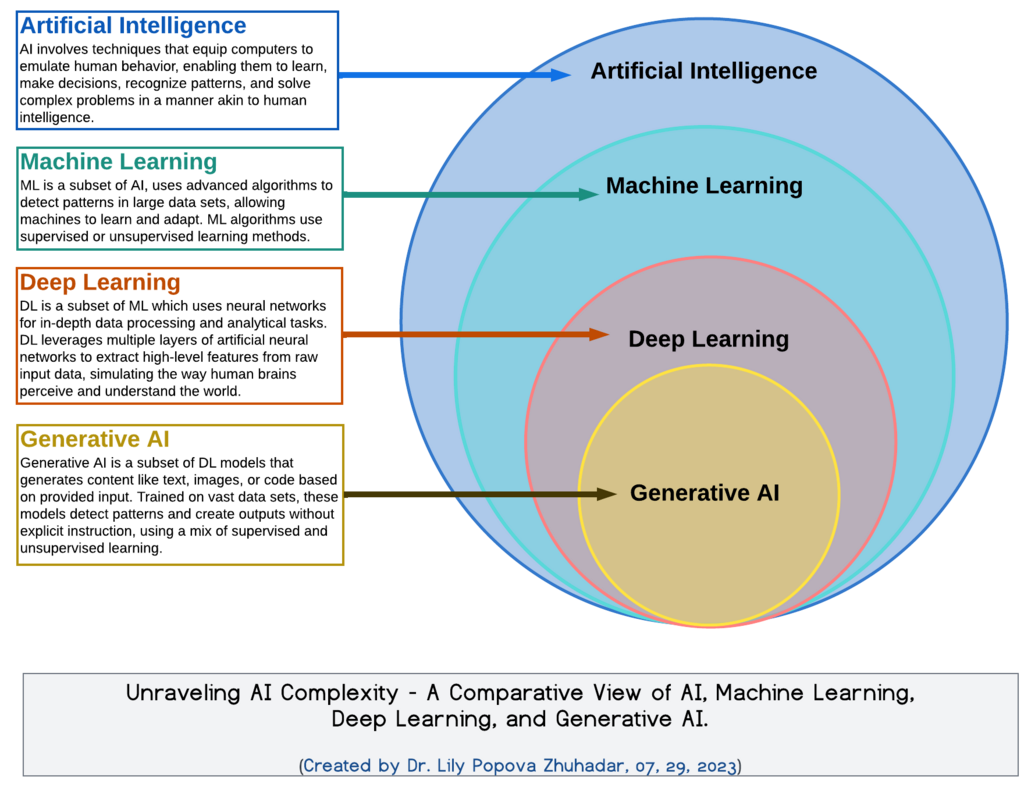
At its core, AI-generated content is anything created by an artificial intelligence system rather than a human. This could be a blog post, a piece of music, a digital painting, or even a video. Instead of a person typing, painting, or composing, a computer program does the creative work.
This magic happens through a specific branch of AI.
Generative AI
noun
A type of artificial intelligence that can produce new, original content by learning patterns from massive amounts of existing data.
Think of it like an apprentice who has studied millions of books, paintings, and songs. By analyzing all that data, the AI learns the underlying rules, styles, and structures of human creativity. It doesn't just copy what it has seen; it uses its training to generate something entirely new that follows the same patterns. It learns what a cat looks like from seeing countless cat photos, so it can create a new image of a cat that has never existed.
Types of AI Content
Generative AI isn't limited to one type of media. Its capabilities span across text, images, and more complex formats like video.
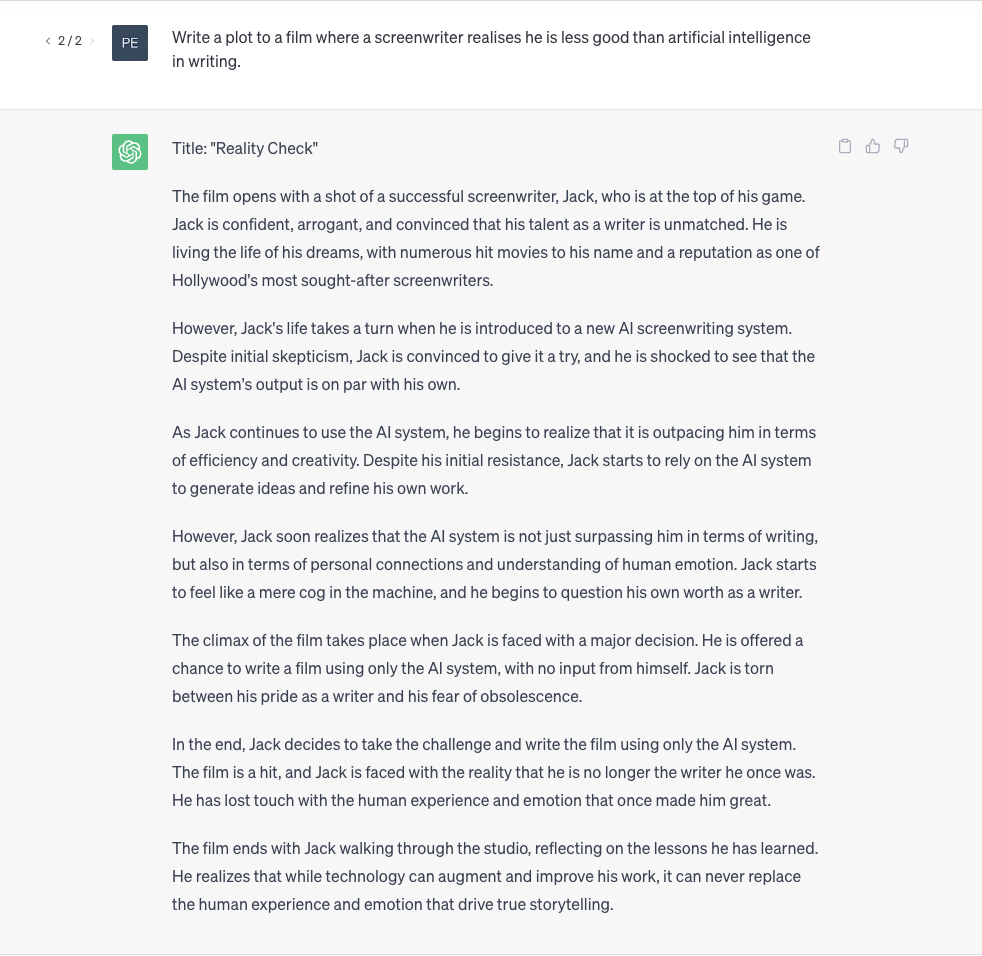
Text: AI can write emails, articles, poems, and computer code. Models like GPT (Generative Pre-trained Transformer) are trained on a vast portion of the internet's text, allowing them to understand and replicate grammar, tone, and style with surprising accuracy.
Images are another popular domain for AI. You've likely seen them online: hyper-realistic portraits of people who don't exist, fantastical landscapes, or logos for new businesses. These are created by AI models that translate text descriptions, known as prompts, into pixels. A user might type "a photorealistic astronaut riding a horse on Mars," and the AI generates an image to match.
Beyond still images, AI is also making strides in audio and video. It can compose original music in any genre, clone a person's voice from a short audio sample, or create short video clips from a text prompt. While still an emerging area, the technology is advancing quickly.
The Technology Behind It
You don't need to be an engineer to grasp the basics of how this works. The algorithms driving content generation are complex, but they often fall into a few key categories.
For text, the dominant technology is the Large Language Model (LLM). LLMs are neural networks trained on vast text datasets. They work by predicting the next most likely word in a sequence, allowing them to form coherent sentences, paragraphs, and entire articles.
For images, two common approaches are Generative Adversarial Networks (GANs) and Diffusion Models. A GAN involves two AIs, a "generator" and a "discriminator," that compete against each other to create more realistic images. Diffusion models work differently, starting with random noise and gradually refining it into a recognizable image based on the user's prompt.
In all cases, the process is the same at a high level: the AI learns from a massive dataset and then uses that knowledge to generate new content.
Now that we know what AI-generated content is and how it's made, we can begin to explore why some of it captures our attention and spreads so quickly online.