AI Content Generation Systems
Introduction to AI Content Generation
What Is Generative AI?
Artificial intelligence isn't just about analyzing data or following instructions anymore. A specific kind of AI, known as generative AI, is all about creation. Instead of just recognizing a cat in a photo, it can create a brand new picture of a cat that has never existed.
Generative AI refers to a type of artificial intelligence whose core function is to create new content—text, audio, images, video, or data—based on patterns it has learned from existing data.
This ability to generate original content is a huge leap forward. It unlocks new possibilities for everything from writing emails and coding software to composing music and designing products.
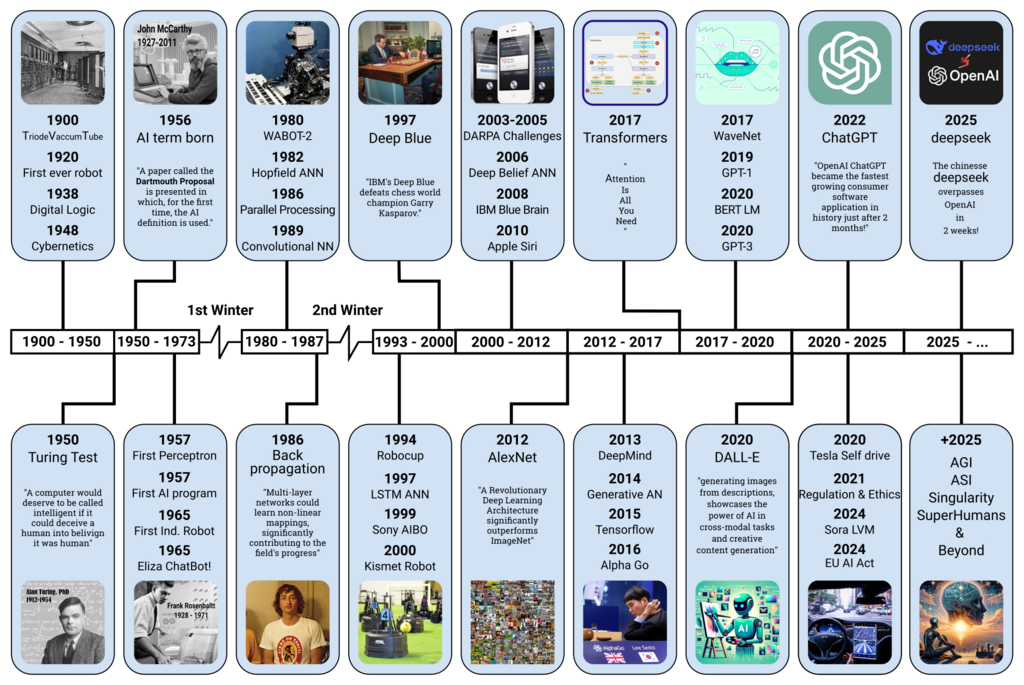
While the idea of creative machines has been around for decades, recent breakthroughs in computing power and model design have brought generative AI into the mainstream. It's an evolution built on a long history of research and development.
How AI Learns to Create
So how does an AI learn to write a poem or draw a picture? The answer lies in machine learning. Think of it like teaching a student. You don't give them a giant rulebook for every possible sentence they could write. Instead, you have them read thousands of books. By absorbing countless examples of language, they start to understand the patterns, styles, and structures of good writing.
Generative AI works in a similar way. It's trained on massive datasets. A text model might be fed a huge portion of the internet, while an image model might process millions of pictures with descriptions. During this training process, the AI builds its own internal understanding, or "model," of the data. It learns the statistical relationships between words, the common elements in a landscape photo, or the typical structure of a pop song.
The AI isn't copying and pasting. It's using its learned patterns to generate something entirely new that fits the style of the data it was trained on.
This process allows generative AI to produce a wide variety of content. The type of output depends entirely on the data it was trained with. An AI trained on classical music will compose symphonies, not rock anthems. One trained on scientific papers will write with a formal, academic tone.
The Generation Process
Once an AI model is trained, using it is a relatively simple process. It all starts with a user's instruction, often called a prompt.
This prompt is the starting point. It could be a question, a command, or just a few words of inspiration. The AI model takes this input and uses its vast internal knowledge to predict what should come next, piece by piece. For text, it predicts the next word. For an image, it builds the picture pixel by pixel or in larger chunks.
This basic workflow applies to all kinds of generated content:
| Content Type | Example Prompt | Potential Output |
|---|---|---|
| Text | "Write a short poem about the moon" | A four-line stanza about the night sky. |
| Image | "A futuristic city at sunset, digital art" | A vibrant, detailed image of sci-fi buildings. |
| Audio | "A calm, relaxing piano melody for studying" | A two-minute original piano track. |
| Code | "Python function to sort a list" | A working snippet of Python code with comments. |
The quality and relevance of the output depend heavily on the quality of the model and the clarity of the prompt. This simple interaction, a prompt leading to a novel creation, is the foundation of today's generative AI systems.
Let's check your understanding of these foundational ideas.
What is the primary function of generative AI?
How does a generative AI model learn to create content like poems or images?
Understanding these core concepts is the first step. From here, we can explore the specific models and techniques that make modern generative AI possible.