AI Content Creation Mastery
Introduction to AI Content Creation
What is AI Content Creation?
At its core, AI content creation is the use of artificial intelligence to help generate new material. This isn't about robots replacing artists, but about using smart tools to assist in creating everything from blog posts and emails to images and music. Think of it less as an automated author and more as a powerful collaborator.
These tools work by learning from enormous amounts of existing data—like text, images, and sounds from the internet. They identify patterns and structures within that data. When you give an AI a prompt, like asking it to write a poem or draw a picture, it uses those learned patterns to generate something entirely new.
The goal isn't just to produce content faster, but to explore new creative possibilities. AI can help brainstorm ideas, draft initial versions, or create visuals that would be difficult or time-consuming to make by hand.
A Tour of AI Tools
AI content tools come in many forms, each specialized for a different type of media. The most common categories are for generating text, images, and audio or video.
Generative AI is a branch of artificial intelligence that focuses on creating new content such as text, images, code, music and video using models like transformers, GANs and diffusion models.
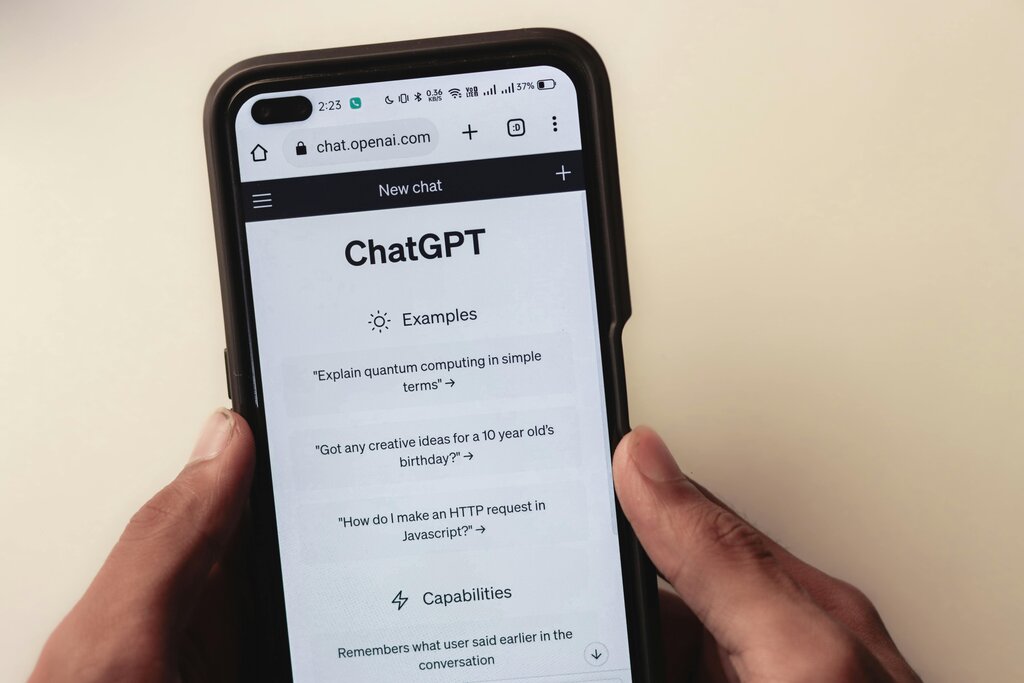
For text, you have tools known as Large Language Models, or LLMs. Chatbots like ChatGPT are a prime example. You can ask them to draft an email, summarize a long document, write a piece of code, or even create a story. They process your request and generate human-like text in response.
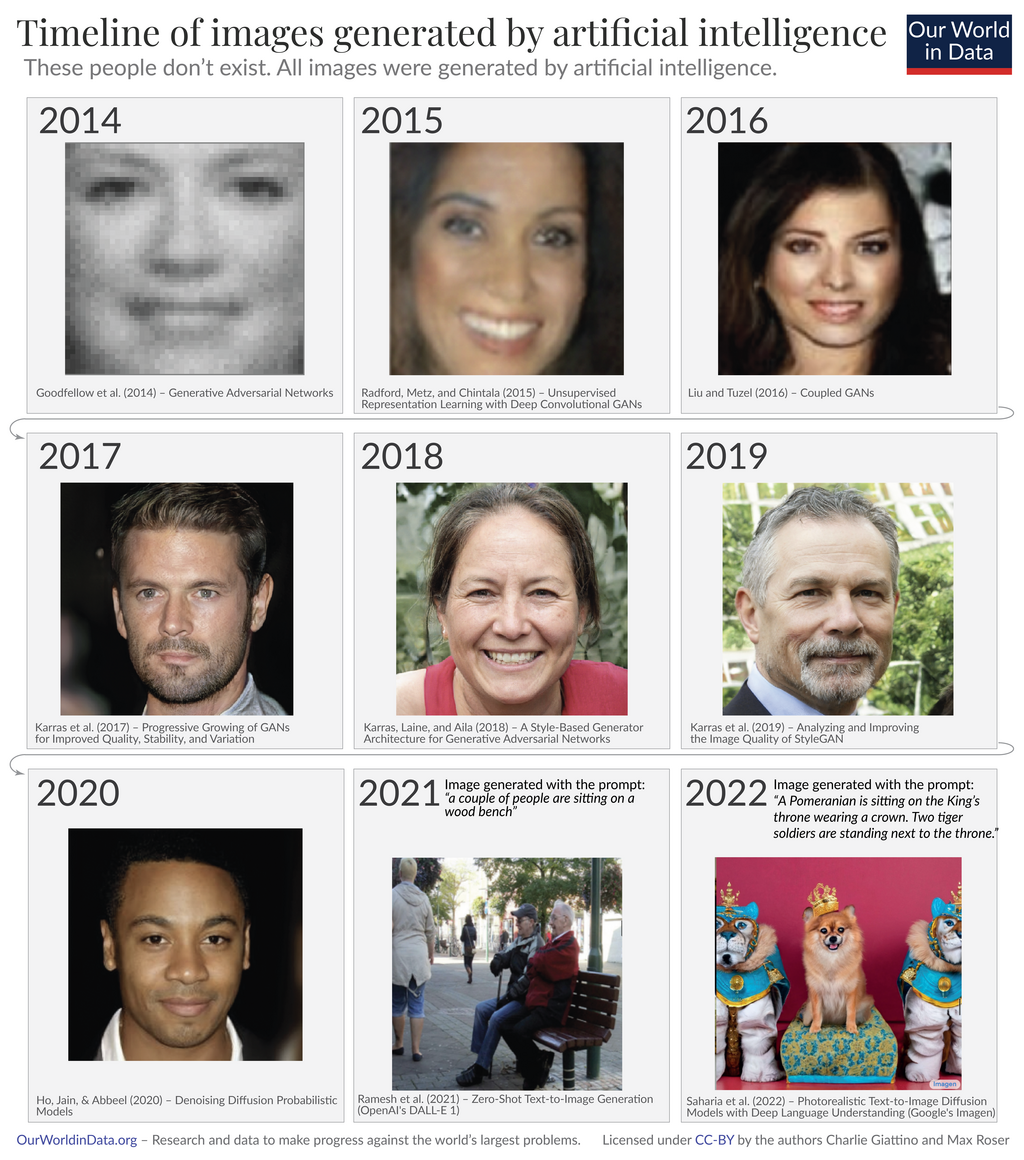
For visuals, AI image generators can create stunning pictures from simple text descriptions, often called prompts. You could type "an astronaut riding a horse on Mars in the style of a famous painter," and the AI will generate images matching that description. This has opened up new avenues for artists, designers, and marketers.
The world of audio and video is also being transformed. AI can generate realistic voices from text, compose original music, or even create short video clips from a script. These tools are still evolving, but they point to a future where multimedia production becomes much more accessible.
Capabilities and Limits
AI is incredibly powerful for certain creative tasks. It excels at brainstorming, generating a variety of ideas quickly, and producing first drafts. It can handle repetitive work, like creating multiple versions of an ad, freeing up humans to focus on strategy and refinement. An AI can summarize complex information or translate languages in seconds.
AI’s main strength is speed and scale. It can produce a vast amount of content in a short amount of time.
However, AI has significant limitations. Since it learns from existing data, it can sometimes reproduce biases found in that data. It also lacks true understanding, common sense, and personal experience. An AI doesn't know things; it predicts what word or pixel should come next based on patterns. This can lead to factual errors, nonsensical statements, or content that feels generic and lacks a unique voice.
Educate users about the capabilities and limitations of generative AI.
Because of this, AI-generated content almost always requires a human touch. A person needs to fact-check, edit for tone and style, and ensure the final product is accurate, original, and aligned with the intended message. The best results come from a partnership between human creativity and artificial intelligence.
Ready to check your understanding?
What is the primary role of AI in content creation, as described in the text?
How do AI content creation tools learn to generate new material?