AI Content Creation Essentials
Introduction to AI Content Generation
What Is AI Content Generation?
At its core, artificial intelligence is about teaching computers to perform tasks that typically require human intelligence. For a long time, this meant tasks like recognizing patterns, making predictions, or analyzing data. Generative AI is different. It's a branch of AI that focuses on creating something entirely new.
Generative AI refers to a type of artificial intelligence whose core function is to create new content—text, audio, images, video, or data—based on patterns it has learned from existing data.
Think of it like a musician who listens to thousands of hours of classical music. Eventually, they internalize the rules, structures, and styles of that genre. They can then compose a new piece of music that sounds like classical music but is completely original. Generative AI works in a similar way, but on a massive scale. It learns from vast datasets of text, images, or sounds to generate new content that follows the patterns it has observed.
A Quick Trip Through Time
The idea of machines creating art or text isn't new; it has roots going back decades. Early attempts were often clunky and experimental. However, recent breakthroughs in computing power and AI model architecture have led to an explosion in capability. The progress in just the last few years has been astonishing.
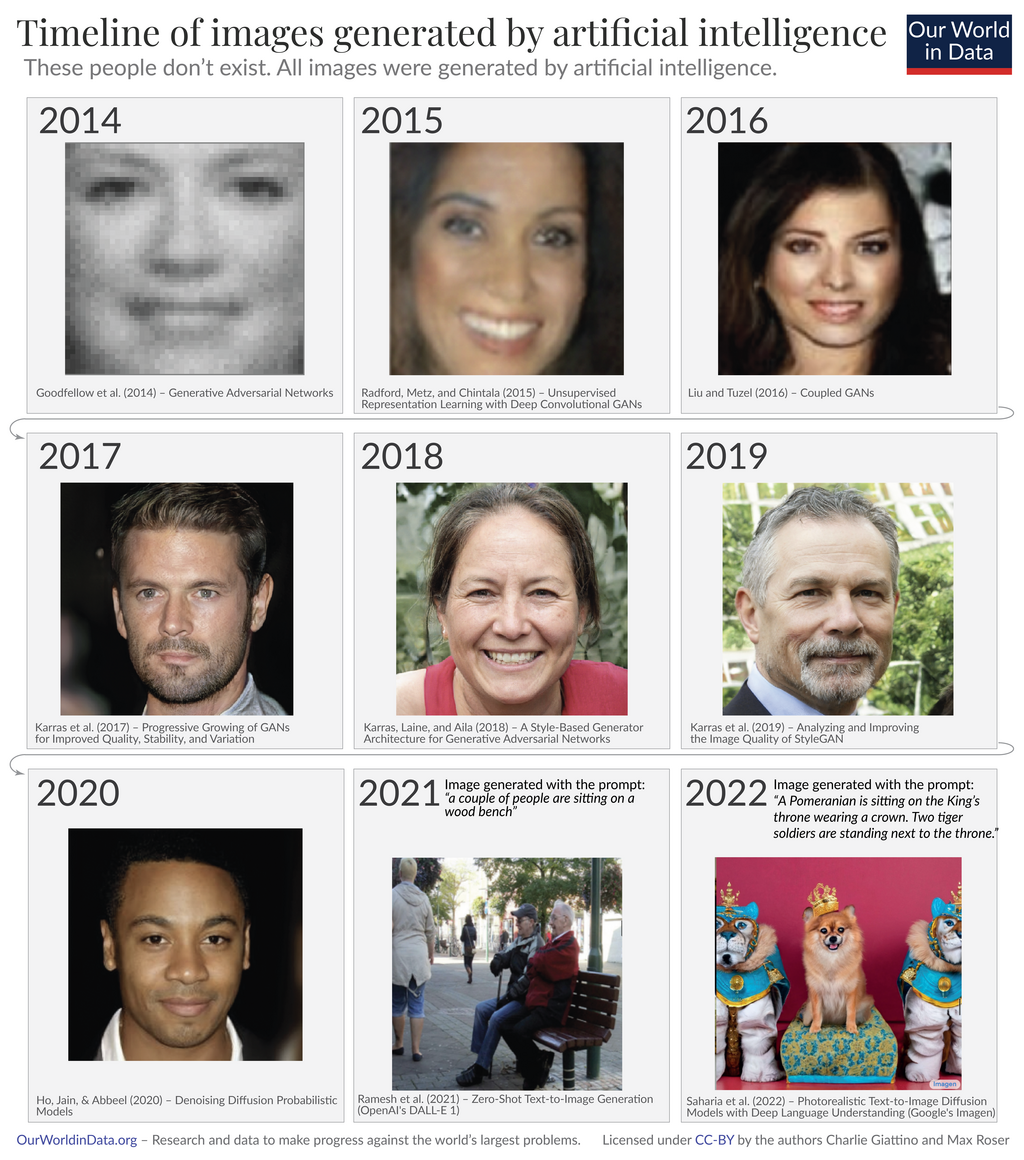
The leap from the blurry, abstract faces of 2014 to the highly detailed, complex scenes of today shows just how quickly this technology is evolving. What was once a niche area of computer science is now accessible to millions through user-friendly tools.
Changing the Game
The impact of generative AI is already being felt across many industries. Marketers use it to draft ad copy and create social media content. Software developers get help writing and debugging code. Artists and designers are using AI as a collaborator to explore new visual ideas. In media, it can generate news summaries, scripts, and even background music.
This isn't about replacing human creativity, but augmenting it. AI can handle repetitive tasks, brainstorm ideas, and produce first drafts, freeing up people to focus on strategy, refinement, and the uniquely human touch.
This technology is reshaping workflows and creating new possibilities. For example, a single person can now produce a short animated film or a video game prototype, tasks that once required a full team of specialists. This shift is lowering the barrier to entry for content creation and enabling new forms of expression.
Challenges and Big Questions
With great power comes great responsibility, and generative AI is no exception. Its rise brings up important ethical questions. Who owns an image created by an AI? Is it the user who wrote the prompt, the company that built the AI, or no one at all?
There are also concerns about misinformation. AI can create realistic but fake images and articles, making it harder to distinguish fact from fiction. Another challenge is bias. Since AI models learn from data created by humans, they can inherit and even amplify existing societal biases related to race, gender, and culture.
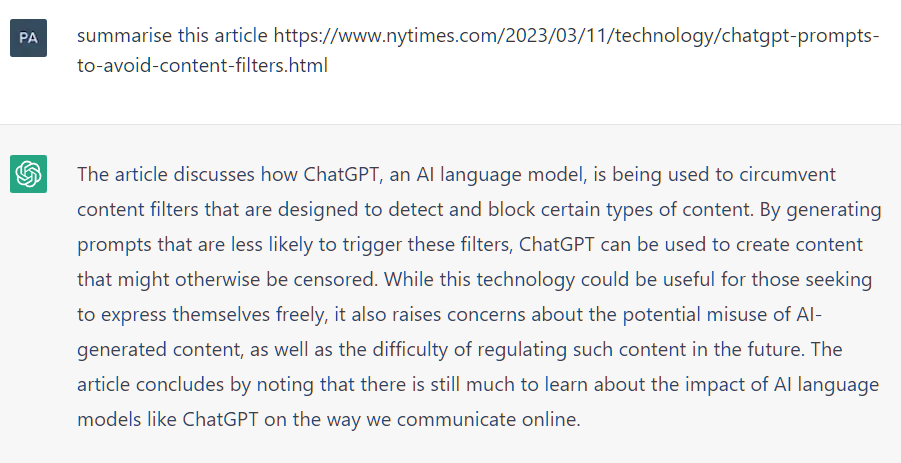
Finally, there's the question of originality and emotional depth. Can an AI truly be creative, or is it just a sophisticated mimic? Can it produce content that resonates with us on an emotional level? These are not just technical problems; they are philosophical ones we are just beginning to explore.
Ready to check your understanding? This quiz covers the core concepts of AI content generation.
What is the key capability that distinguishes generative AI from other forms of artificial intelligence?
True or False: Because AI models learn from vast amounts of human-created data, they are inherently free from societal biases.
As these tools become more integrated into our daily lives, understanding their capabilities and limitations is the first step toward using them effectively and responsibly.