AI Consulting Essentials
Introduction to AI
What is AI?
Artificial intelligence, or AI, is a broad field of computer science focused on building smart machines capable of performing tasks that typically require human intelligence. Think of it as the science of making computers think, learn, and adapt. At its core, AI aims to replicate or simulate human intelligence in machines, whether that's recognizing a face, understanding speech, or making a strategic decision in a game.
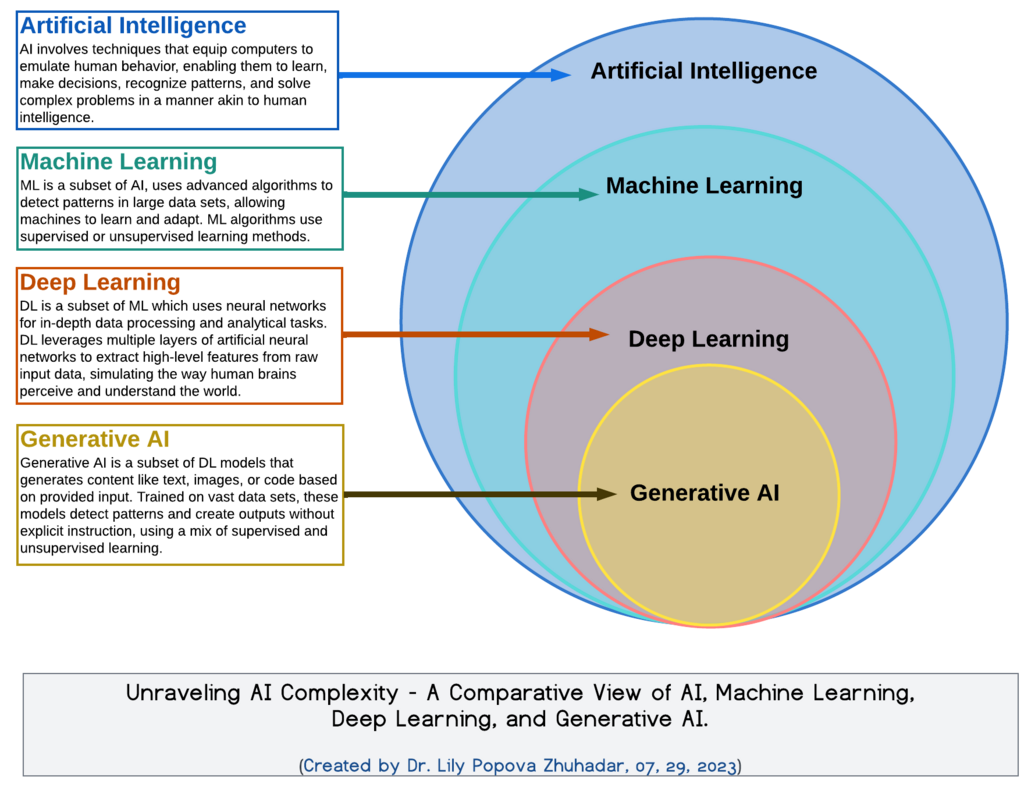
You'll often hear terms like machine learning and deep learning used alongside AI. They aren't the same thing, but they are related.
-
Machine Learning (ML) is a subset of AI. Instead of being explicitly programmed with rules, ML systems learn patterns directly from data. For example, a spam filter learns to identify junk mail by analyzing thousands of examples of spam and non-spam emails.
-
Deep Learning (DL) is a specialized type of machine learning that uses structures inspired by the human brain, called artificial neural networks. These networks have many layers, allowing them to learn complex patterns from vast amounts of data. Image recognition and advanced language translation are often powered by deep learning.
Another key area is Natural Language Processing (NLP), which is all about giving computers the ability to understand, interpret, and generate human language. When you talk to a voice assistant or use an auto-complete feature, you're interacting with NLP.
A Brief History
The idea of intelligent machines has been around for centuries, but the modern field of AI officially began in the summer of 1956. A group of pioneering researchers gathered at Dartmouth College for a workshop where they coined the term "artificial intelligence" and laid out the field's foundational goals.
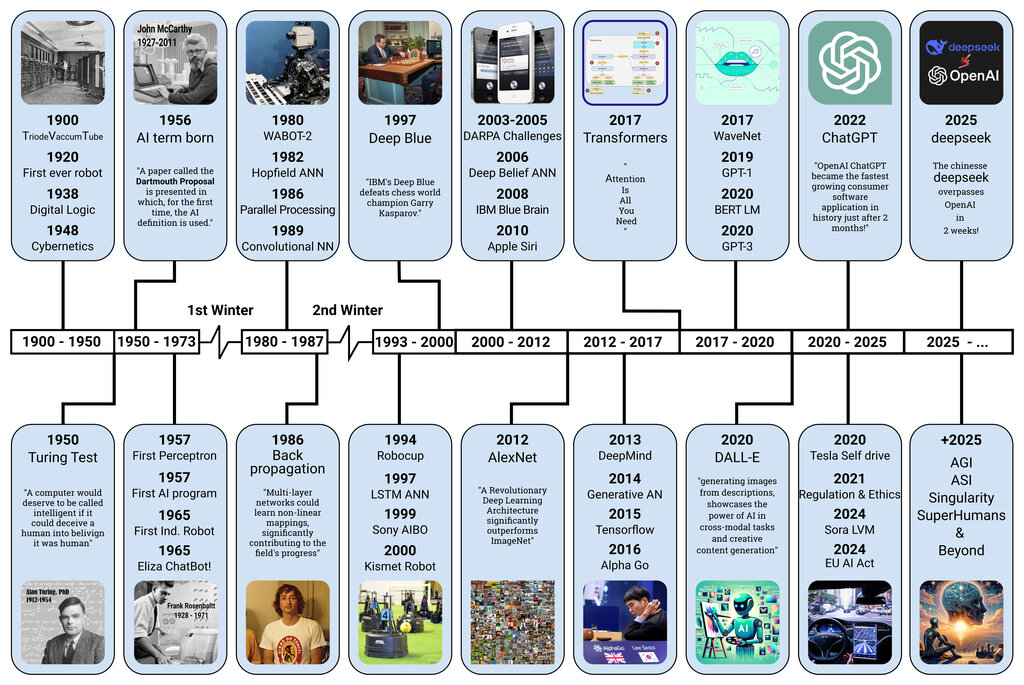
The journey wasn't a straight line. Early enthusiasm led to bold predictions, but the complexity of creating true intelligence was underestimated. This resulted in periods of reduced funding and interest known as "AI winters." However, recent breakthroughs, fueled by massive amounts of data and powerful computers, have led to the AI boom we see today.
Two Main Flavors
When we talk about AI, it's helpful to distinguish between two main types: narrow and general AI.
| Feature | Artificial Narrow Intelligence (ANI) | Artificial General Intelligence (AGI) |
|---|---|---|
| Scope | Performs a single, specific task | Can understand and perform any intellectual task a human can |
| Example | Spam filters, voice assistants, recommendation engines | C-3PO from Star Wars (fictional) |
| Status | Common today | Theoretical; does not yet exist |
Artificial Narrow Intelligence (ANI), sometimes called Weak AI, is designed to perform a dedicated task. This is the only type of AI we have successfully created so far. The AI that recommends movies, translates languages, or plays chess is ANI. It might seem incredibly smart, but its intelligence is confined to its specific domain.
Artificial General Intelligence (AGI), or Strong AI, is the kind of AI you see in science fiction. AGI would possess the ability to understand, learn, and apply its intelligence to solve any problem, much like a human being. It remains a long-term goal for researchers, not a current reality.
AI in the Real World
Even though we only have narrow AI, its impact is enormous. AI is already integrated into countless products and services we use every day, often without us realizing it.
In healthcare, AI helps doctors analyze medical images like X-rays and MRIs to detect diseases like cancer earlier and more accurately.
The finance industry uses AI to detect fraudulent transactions in real-time, saving consumers and banks billions of dollars. It also powers algorithmic trading and personalized financial advice.
In retail, AI is the engine behind recommendation systems. When an online store suggests a product you might like, it's using machine learning to predict your preferences based on your past behavior and that of similar customers.
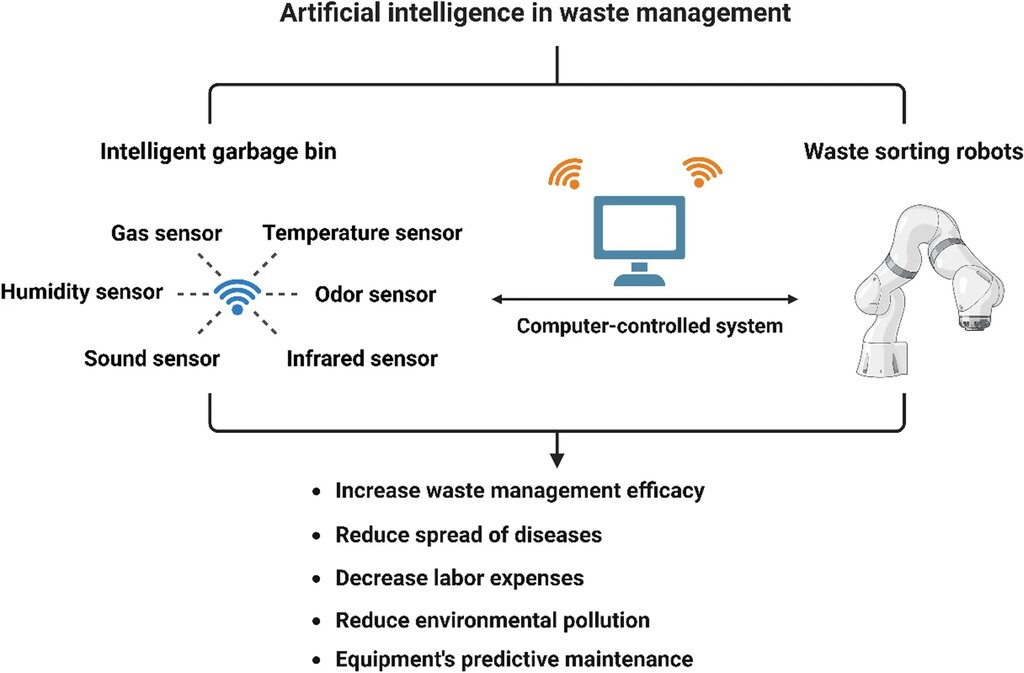
In transportation, AI is the core technology for self-driving cars, which use computer vision and deep learning to navigate roads safely. AI also optimizes logistics and supply chains, ensuring goods get from warehouses to your doorstep efficiently.
From entertainment and agriculture to manufacturing and customer service, AI is transforming how industries operate.
What is the primary goal of Artificial Intelligence (AI)?
Which statement accurately describes the relationship between Artificial Intelligence (AI), Machine Learning (ML), and Deep Learning (DL)?
This gives you a foundational look at what AI is, where it came from, and how it's being used. The key takeaway is that AI is not a single technology but a collection of powerful tools for solving problems.