AI Consulting Agency Growth
Understanding AI Consulting
What Is AI Consulting?
Artificial intelligence is a powerful tool, but it's not magic. Many companies know they need AI to stay competitive, but they often lack the in-house expertise to use it effectively. This is where AI consulting comes in.
An AI consultant acts as a guide, helping a business navigate the complex world of artificial intelligence. Their job is to bridge the gap between a company's goals and the technical possibilities of AI. It’s not just about installing software; it's about understanding a business's unique challenges and finding smart ways for AI to solve them. The scope goes beyond technology to include strategy, workflow changes, and employee training.
Think of it this way: an AI consultant helps a company figure out not just if they should use AI, but why, where, and how to use it for the best results.
The Consultant's Toolkit
AI consultants offer a range of services that can be grouped into three main stages: strategy, implementation, and optimization. Each stage is critical for making sure an AI project is successful and delivers real value.
1. Strategy Development This is the starting point. Before any code is written, a consultant helps the leadership team define what success looks like. They'll ask questions like: What problem are we trying to solve? What data do we have? What is a realistic outcome? The end result is a clear roadmap that connects the AI initiative to the company's overall business goals.
To effectively implement AI, organizations must develop a clear, strategic plan that aligns AI initiatives with broader business objectives.
2. Implementation Once the strategy is set, it's time to build. This phase involves everything from preparing data and selecting the right AI models to integrating the new technology with existing systems. Consultants might work with a company's internal team or bring in their own developers to get the job done. The goal is to create a functional AI solution that works as planned.
3. Optimization AI is not a 'set it and forget it' technology. Models can become less accurate over time as new data comes in. The optimization phase involves continuously monitoring the AI's performance, retraining models when necessary, and looking for new ways to improve its impact. This ensures the company gets a long-term return on its investment.
A Rapidly Growing Field
The market for AI consulting is booming. As more businesses realize the potential of AI, the demand for expert guidance has skyrocketed. Projections show the global AI market growing significantly in the coming years, and consulting is a huge piece of that pie. This growth is driven by a simple reality: while many leaders are excited about AI, most don't have the skills or time to become AI experts themselves.
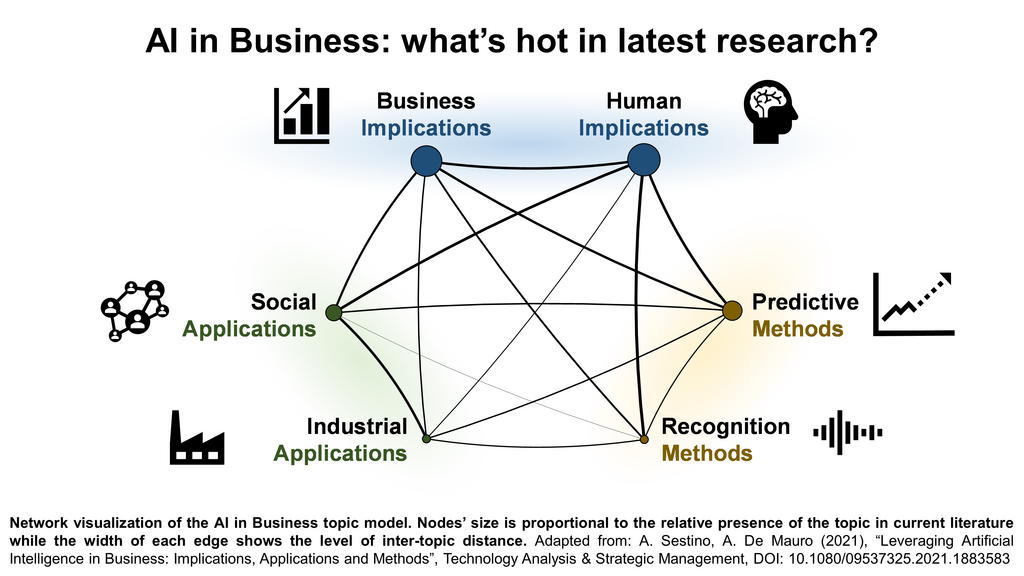
Demand for AI consulting isn't limited to one sector. It's spread across nearly every industry.
- Retail: Consultants help create personalized shopping experiences and optimize supply chains.
- Healthcare: They assist in developing AI tools that can help doctors diagnose diseases earlier or manage patient data more efficiently.
- Finance: In this sector, AI is used to detect fraudulent transactions, automate trading, and provide personalized financial advice.
- Manufacturing: Consultants might implement AI to predict when machinery needs maintenance, preventing costly breakdowns.
Across the board, companies are looking for a competitive edge, and AI provides one. Consultants are the key to unlocking that potential, making them an indispensable part of the modern business landscape.
Now, let's test your understanding of these core concepts.
What is the primary role of an AI consultant?
An AI consultant is working with a company to define success metrics, assess available data, and create a clear roadmap for an AI initiative. Which stage of the consulting process does this describe?
Understanding the role and value of AI consulting is the first step in learning how to connect businesses with these vital services.