AI Coding for Healthcare Applications
Healthcare AI Challenges
The Cracks in Modern Healthcare
Modern medicine can feel like magic. We have powerful drugs, incredible surgical techniques, and a deep understanding of the human body. Yet, for all its advancements, the healthcare system is far from perfect. It faces persistent challenges that affect both patients and practitioners. These are not small issues; they are fundamental problems that can lead to poor outcomes, wasted resources, and immense frustration. Let's look at some of the most significant cracks where AI is poised to make a real difference.
The Problem of Misdiagnosis
One of the most frightening challenges is diagnostic error. A wrong or delayed diagnosis can have devastating consequences. These mistakes happen for many reasons. Doctors are human, and they can get tired or overlook a subtle clue. Sometimes, a patient's symptoms are complex and point to several different conditions. Add to this the sheer volume of medical data from lab results, imaging scans, and patient histories, and it becomes a massive challenge to piece everything together perfectly every time.
For example, certain types of cancer can be notoriously difficult to spot on a scan in their early stages. A radiologist might review dozens of images a day, and the signs could be microscopic. Missing one of these subtle indicators isn't a failure of skill, but a limitation of human perception under pressure.
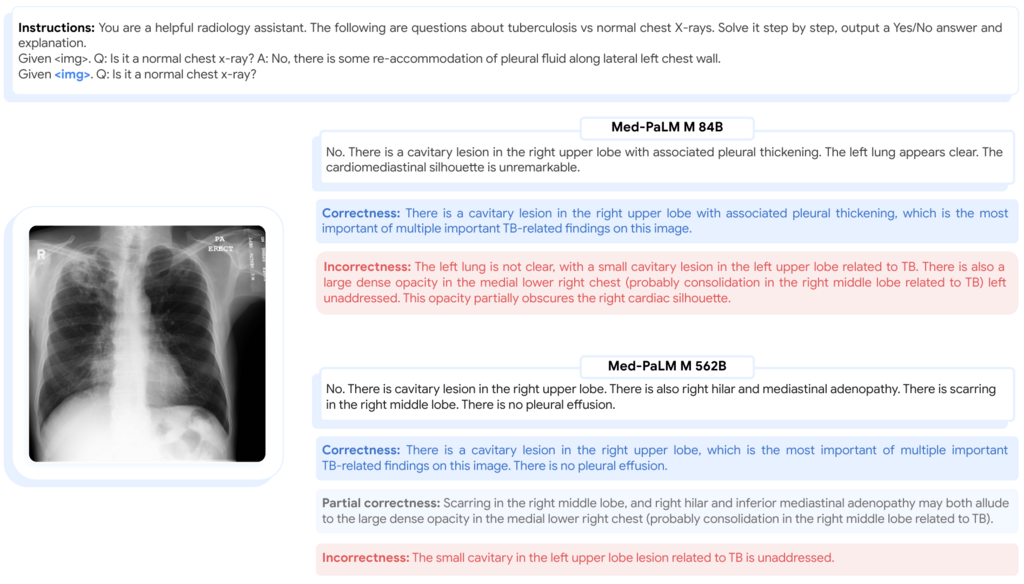
This is where AI can be a powerful ally. AI models, particularly in machine learning, can be trained on millions of medical images. They learn to identify patterns that are often invisible to the human eye. An AI system can analyse a chest X-ray and flag a tiny, suspicious area for the radiologist's attention. It doesn't replace the doctor; it acts as an incredibly powerful assistant, a second set of eyes that never gets tired. By analysing vast datasets of patient records and symptoms, AI can also suggest potential diagnoses a doctor might not have considered, broadening their perspective and reducing the risk of error.
The Efficiency Gap
Have you ever felt frustrated by the long waits at a clinic or the endless paperwork involved in a simple procedure? These are symptoms of deep inefficiencies in patient care. Doctors and nurses spend a significant portion of their day on administrative tasks like updating records, scheduling appointments, and managing billing, rather than on direct patient care.
This administrative burden slows everything down. It leads to crowded waiting rooms, delayed treatments, and burnout among medical staff. Poor coordination between different hospital departments can mean that a patient's test results are slow to reach the right doctor, further delaying care.
AI can automate many routine administrative tasks, freeing up clinicians to focus on what they do best: caring for patients.
AI solutions can tackle these issues head-on. AI-powered software can manage appointment scheduling to optimise a doctor's time and reduce patient wait times. It can handle medical coding and billing automatically, reducing errors and saving countless hours. Voice recognition AI can transcribe doctor's notes directly into electronic health records, eliminating manual data entry. By streamlining these background processes, AI helps hospitals and clinics run more smoothly, leading to a better experience for everyone.
The Quest for Personalised Care
For a long time, medicine has relied on a one-size-fits-all approach. Treatments are often based on what works for the average person. But we are all unique. Our genetics, lifestyle, and environment mean that a standard treatment might be highly effective for one person but completely ineffective for another. A drug that works wonders for most might cause severe side effects in a small subgroup of patients.
The need for personalised treatment plans is clear, but creating them is incredibly complex. It requires analysing a massive amount of individual data, from a person's genetic code to their daily habits, and understanding how all these factors interact.
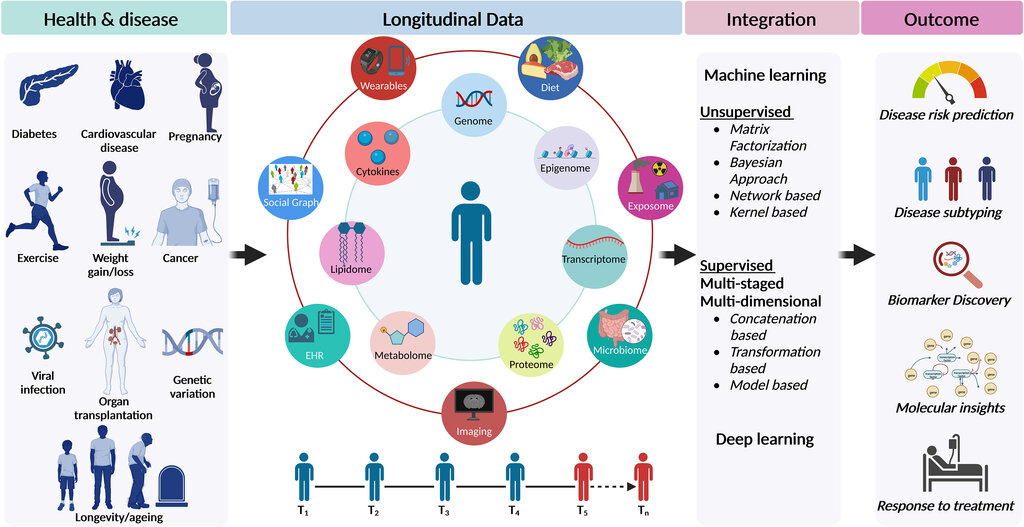
AI is the key to unlocking personalised medicine. Machine learning models can analyse a patient's genetic information, lab results, and lifestyle data to predict which treatments are most likely to succeed for them. For instance, in oncology, AI can analyse the genetic makeup of a tumour to recommend a specific targeted therapy, greatly increasing the chances of success.
These systems can also predict who is at high risk for developing certain diseases, like diabetes or heart disease, based on their health data. This allows for early, preventative interventions tailored to the individual, shifting the focus from treating sickness to maintaining wellness.
According to the text, what is the primary way AI helps reduce diagnostic errors in medicine?
One of the deep inefficiencies in patient care is the large amount of time medical staff spend on _______ tasks.
These challenges in diagnostics, efficiency, and personalisation are significant, but they also represent a huge opportunity. By targeting these specific problems, AI is not just a futuristic idea; it is a practical tool that is already beginning to build a better, smarter, and more personal healthcare system.