AI Coding Assistants
Introduction to AI in Programming
AI and the Modern Programmer
Artificial intelligence in programming isn't about robots writing code from scratch. It's about smart tools that help human developers work better and faster. Think of it as an evolution from the basic spell-check in a word processor. Early programming tools offered simple syntax highlighting and autocompletion. Now, AI infuses these tools with a much deeper understanding of code and context.
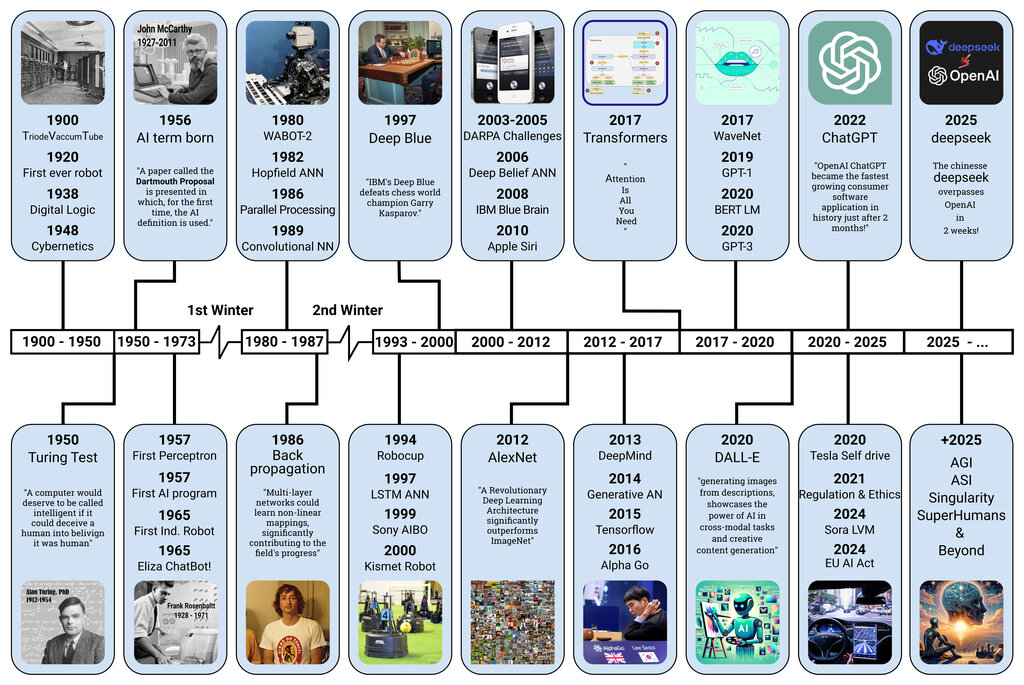
This integration began decades ago but has accelerated dramatically. What started as experimental projects in academic labs has become a core part of the modern developer's toolkit. The goal has always been the same: to automate the repetitive parts of coding, so developers can focus on creative problem-solving.
Today's most common AI programming tools are known as coding assistants. They act as a knowledgeable partner, integrated directly into the coding environment. These assistants can suggest lines of code, complete entire functions, find bugs, and even explain complex code snippets in plain English.
Responsible AI-assisted development: This is the practical and professional application of the concept. In this model, AI tools act as a powerful collaborator or "pair programmer." The user guides the AI but then reviews, tests, and understands the code it generates, taking full ownership of the final product.
Boosting Efficiency and Focus
The primary benefit of integrating AI into programming is a massive boost in efficiency. Developers spend less time typing boilerplate code or searching for solutions to common problems. With an AI assistant, they can often generate functional code from a simple description, like a comment written in English.
By handling routine tasks, AI frees up a developer's mental energy to tackle higher-level challenges like system architecture and user experience.
This partnership also helps improve code quality. AI tools are trained on vast amounts of high-quality code, so their suggestions often follow best practices and avoid common pitfalls. For new programmers, this is like having a senior developer looking over their shoulder, offering guidance and accelerating their learning process. For experienced developers, it helps maintain consistency and catches subtle errors that might otherwise be missed.
Forms of AI Assistants
AI coding assistants come in several forms. The most common are extensions or plugins for Integrated Development Environments (IDEs), the software applications where programmers write code. These tools are woven directly into the workflow, providing suggestions in real-time as the developer types.
Other forms include standalone web applications where you can chat with an AI about a coding problem, or tools built into platforms like GitHub that can review code and suggest improvements. Regardless of the form, the function is consistent: to serve as an intelligent, helpful partner in the software development process.
As artificial intelligence increasingly handles routine coding tasks, developers are shifting their focus towards higher-level skills such as problem definition, system design, critical thinking, and communication.
Now, let's test your understanding of these core concepts.
What is the primary goal of integrating AI into programming tools, according to the provided text?
How is the relationship between modern AI coding assistants and older tools like syntax highlighting described?
By understanding the role AI plays, you can better appreciate how these powerful tools are reshaping the world of software development.