AI Business Automation Essentials
Introduction to AI in Business
What Is Artificial Intelligence?
Artificial intelligence, or AI, is about creating systems that can perform tasks that typically require human intelligence. This includes things like learning from experience, solving problems, and understanding language. It's not just about futuristic robots. More often, AI is the invisible engine working behind the scenes in the apps and services we use every day.
Artificial Intelligence
noun
The theory and development of computer systems able to perform tasks that normally require human intelligence, such as visual perception, speech recognition, decision-making, and translation between languages.
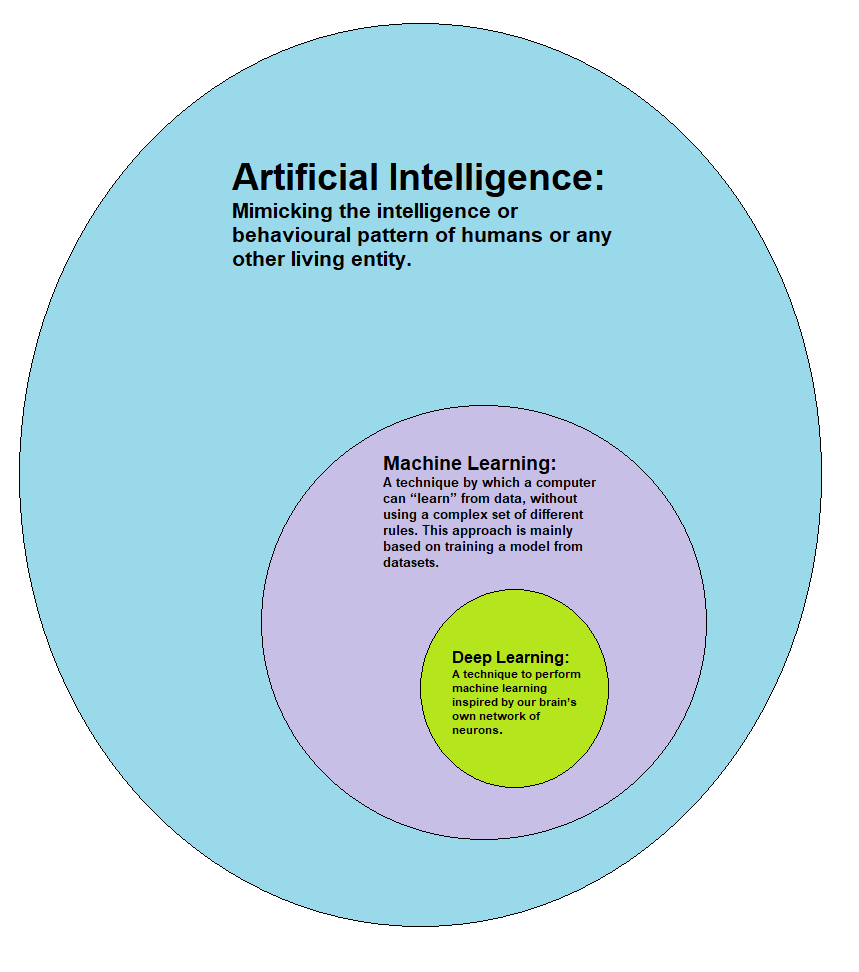
Think of AI as a broad field, like biology. Within that field are specialized areas. Two of the most important for business are Machine Learning and Natural Language Processing. They are subsets of AI, each with a specific focus.
The Brains of Business AI
Machine Learning (ML) is a type of AI where computers learn from data without being explicitly programmed. Instead of writing step-by-step rules, developers feed an ML model vast amounts of data. The model finds patterns in that data and learns to make predictions or decisions.
For example, an e-commerce site uses machine learning to recommend products. It analyzes your past purchases and browsing history, compares it to millions of other users, and predicts what you might like next. It learns and improves on its own over time.
Natural Language Processing (NLP) is the branch of AI that helps computers understand, interpret, and generate human language. If you've ever used a chatbot, spoken to a voice assistant, or seen your email sorted into categories automatically, you've interacted with NLP.
In business, NLP can analyze thousands of customer reviews to quickly identify common complaints or positive feedback. This allows companies to understand customer sentiment on a massive scale, a task that would be impossible for a team of people to do manually.
From Sci-Fi to Spreadsheets
AI has been around as a concept since the 1950s, but for decades it was mostly confined to research labs. Early business applications, known as "expert systems," were rigid and based on a complex set of hard-coded rules. They were helpful but couldn't learn or adapt.
The game changed in the 21st century. Two key factors fueled an explosion in AI's practical use: the availability of massive amounts of data (big data) and a dramatic increase in computing power. Suddenly, machine learning models that were once theoretical could be trained and deployed, solving real-world business problems.

Today, AI is integrated into everything from financial trading algorithms to marketing analytics and supply chain optimization. It's no longer a futuristic idea but a fundamental part of modern business strategy.
Why Bother with AI?
Businesses adopt AI for a few key reasons. The most common is to improve efficiency. AI can automate repetitive, time-consuming tasks like data entry or scheduling, freeing up employees to focus on more creative and strategic work.
AI also enhances decision-making. By analyzing complex datasets, AI systems can spot trends, forecast demand, and identify risks that a human might miss. This leads to smarter, data-driven strategies.
| Benefit | Example |
|---|---|
| Efficiency | Automating customer service responses with chatbots. |
| Better Decisions | Using predictive analytics to manage inventory levels. |
| Innovation | Developing personalized products based on user data. |
| Cost Savings | Optimizing delivery routes to save on fuel. |
However, implementing AI isn't without challenges. It requires high-quality data, specialized expertise, and significant initial investment. There are also ethical considerations, such as data privacy and the potential for bias in AI algorithms, that businesses must carefully manage.
AI is no longer a futuristic concept—it's a practical tool that allows businesses to analyze vast amounts of data and deliver tailored experiences at scale.
AI is a powerful tool transforming the business landscape. By understanding its core concepts, companies can leverage it to operate more intelligently and create new opportunities for growth.