AI Avatar Creation Without Limits
Introduction to AI Avatars
More Than a Profile Picture
You've likely used an avatar before, maybe as a character in a video game or a cartoon version of yourself on social media. It's your digital stand-in. But when we add artificial intelligence to the mix, that digital person can do much more than just stand there.
Avatar
noun
A digital or graphical representation of a user or a character.
An AI avatar is a digital character powered by artificial intelligence. Unlike a static image, it can interact, respond, and behave in realistic ways. Think of it as a digital puppet, but instead of strings, it's controlled by complex algorithms that allow it to see, hear, and communicate on its own.
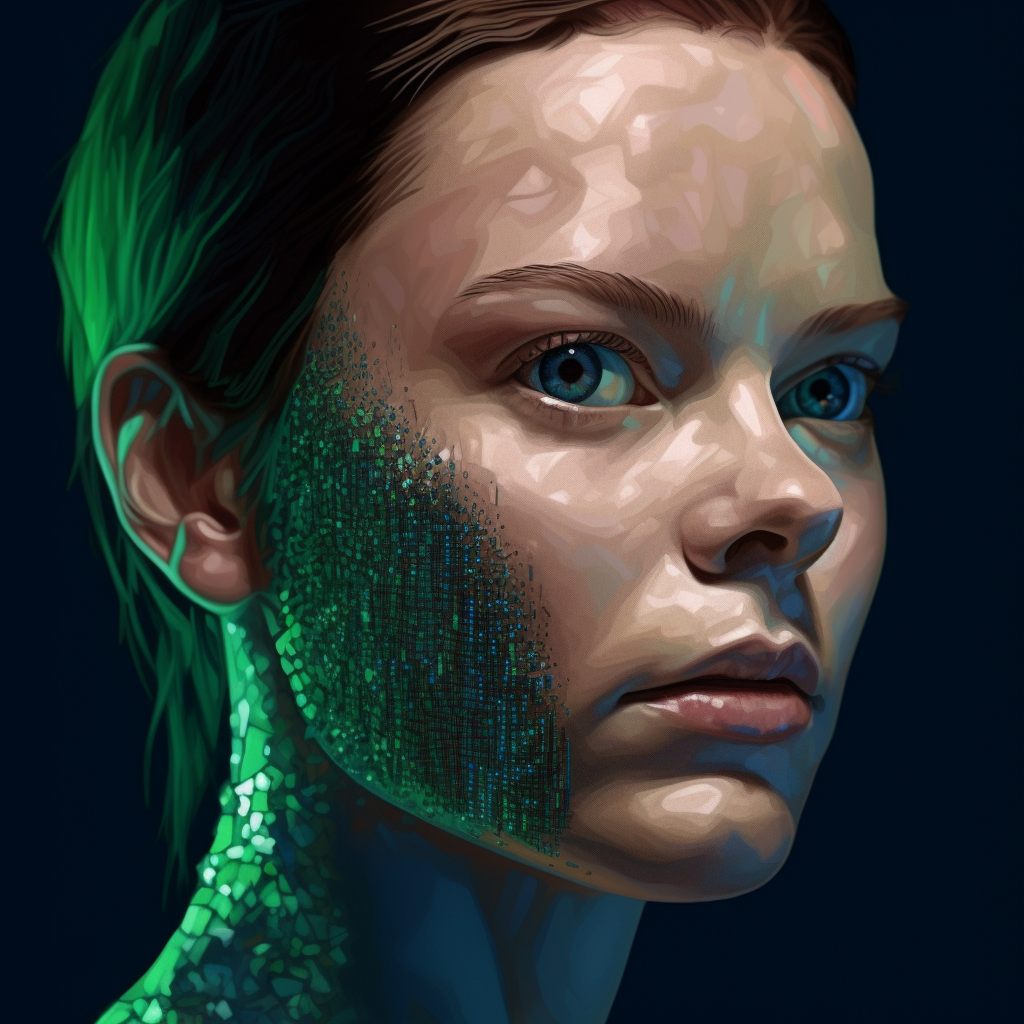
The key difference is autonomy. An AI avatar can act independently, making it a dynamic presence in a digital world rather than just a static icon.
Where We See Avatars
AI avatars are showing up in more places than you might think. They aren't just for science fiction movies anymore. Their ability to simulate human interaction makes them useful in many different fields.
In customer service, an avatar can be a friendly, virtual agent that guides you through a website, answering questions 24/7. This is more engaging than a simple text-based chatbot and can make the experience feel more personal.
Companies need avatars for customer service bots, website branding, and corporate identity. AI avatars can replace stock photos, making businesses look more modern and unique.
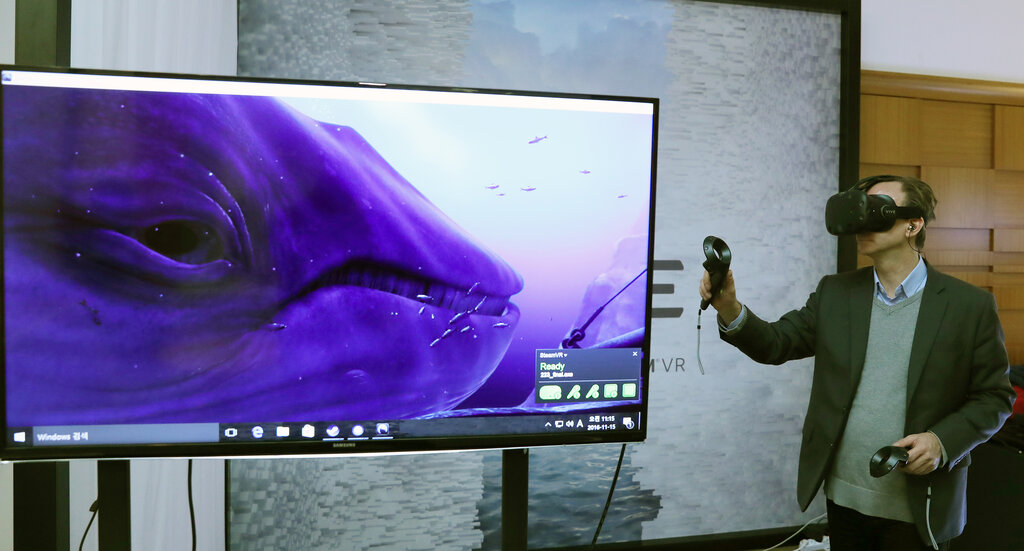
Gaming and virtual reality (VR) are other huge areas. In a game, an AI avatar might be a non-player character (NPC) that doesn't just repeat the same line of dialogue. It might remember your past conversations and react to your actions, making the world feel more alive. In VR, these avatars are essential for creating immersive social experiences where you can interact with digital versions of other people as if they were in the room with you.
How They Work
Creating an AI avatar involves a combination of several advanced technologies. We don't need to dive into the technical details, but it's helpful to know the main ingredients.
- Generative AI: This is the creative engine. It generates the avatar's appearance, from its face to its clothes. The same technology is used to create AI-generated art and images from a simple text prompt.
- Natural Language Processing (NLP): This gives the avatar its voice and its ability to understand you. NLP allows it to process what you say or type and formulate a coherent, relevant response.
- Computer Vision: For an avatar to be truly interactive, it sometimes needs to "see." Computer vision allows an avatar to recognize objects, gestures, and even facial expressions through a camera, enabling it to react to the physical world.
Together, these technologies create a character that not only looks and sounds like a person but can also interact in a way that feels natural and intelligent. This opens up new ways for us to learn, play, and communicate in the digital realm.
Ready to check your understanding?
What is the primary difference between a standard avatar and an AI avatar?
Which technology is primarily responsible for generating an AI avatar's visual appearance, from its face to its clothes?
As these digital beings become more common, they will continue to change how we interact with technology.