AI Automation Fundamentals
Introduction to AI Automation
What Is AI Automation?
Automation itself is nothing new. For decades, we've used technology to handle repetitive, rule-based tasks. Think of a factory assembly line, where robotic arms perform the same motion thousands of times a day, or a simple software macro that copies and pastes data from one spreadsheet to another. This is traditional automation: it follows a strict set of pre-programmed instructions. It's fast and efficient, but it's not very flexible. If something unexpected happens, the system often breaks down.
AI automation is the next step. It infuses automation with artificial intelligence, allowing systems to not just follow instructions, but to learn, adapt, and make decisions. Instead of just doing a task, an AI-powered system can understand the goal behind the task. It can analyze data, recognize patterns, and adjust its actions based on new information, much like a human would.
Think of traditional automation as an intern who needs exact instructions for every task. AI automation is more like a senior assistant who can take a goal, reference past projects, check your calendar, and figure out what needs to be done without constantly asking you.
From Gears to Thinking Machines
The journey of automation began with mechanical devices designed to reduce human labor. The industrial revolution brought us machines that could weave textiles and assemble products at a scale never seen before. In the digital age, this evolved into software automation, like Robotic Process Automation (RPA), where bots mimic human actions to interact with digital systems.
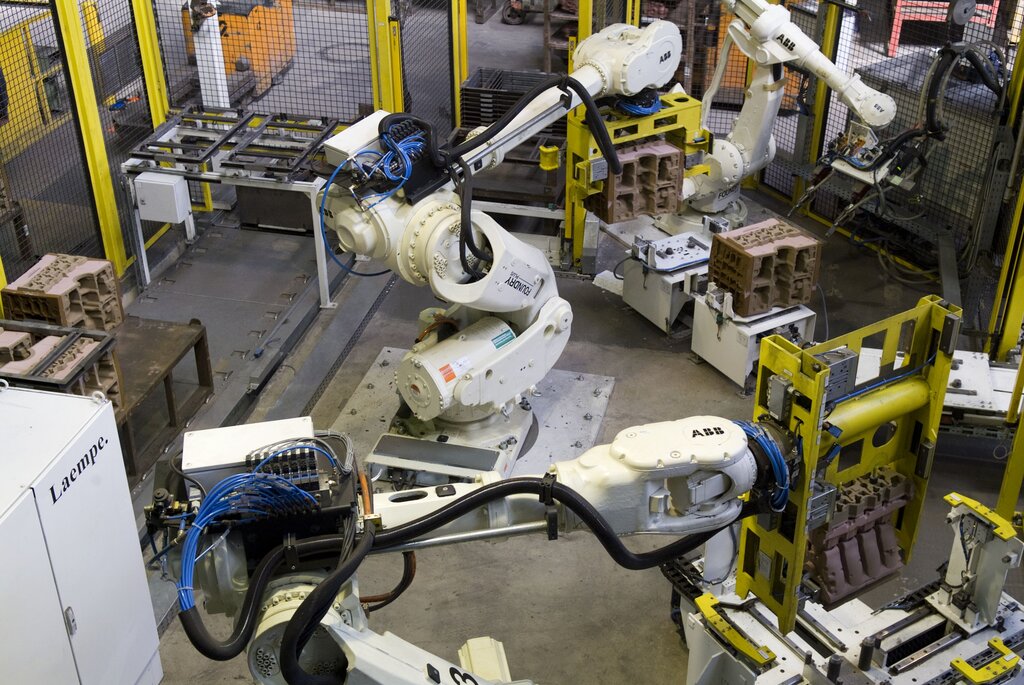
These systems were revolutionary, but they shared a common limitation: they operate on fixed rules. An RPA bot can move a file from folder A to folder B, but it can't read an invoice, understand its contents, and decide which folder it belongs in without being explicitly told every single rule. It can't handle variations or exceptions.
This is where AI changes the game. By integrating technologies like machine learning and natural language processing, automation breaks free from rigid, pre-defined scripts. It can now tackle dynamic and complex processes, learning from data and improving over time. It's the difference between a tool that follows a blueprint and one that can help you design the blueprint.
The Benefits and Hurdles
The advantages of this smarter automation are significant. Organizations can achieve huge gains in efficiency and productivity by automating tasks that were once too complex for traditional systems. AI can analyze vast datasets to find opportunities, predict outcomes, and make more accurate decisions, reducing the costly risk of human error.
Perhaps most importantly, it redefines the role of human workers. By offloading tedious and repetitive work, AI automation allows people to focus on what they do best: strategic thinking, creativity, and complex problem-solving.
The goal isn't just to do the same things faster, but to enable people and businesses to do entirely new things.
However, the path to implementing AI automation isn't without its challenges. These systems can be complex and expensive to develop and integrate into existing workflows. They require massive amounts of high-quality data to learn effectively, and biased data can lead to biased and unfair outcomes.
There are also societal considerations. The shift towards AI automation raises important questions about the future of work, the need for reskilling programs, and the ethical implications of creating autonomous decision-making systems. Navigating these challenges is a critical part of harnessing the technology responsibly.
Let's check your understanding of these foundational concepts.
What is the primary limitation of traditional automation, such as Robotic Process Automation (RPA)?
How does AI fundamentally change the capabilities of an automation system?
By understanding these core ideas, you have a solid foundation for exploring how intelligent automation is reshaping our world.