AI Automation for Websites
Introduction to AI Automation
What is AI Automation?
Let's start with a simple idea: automation. You've seen it everywhere. It's the coffee maker that starts brewing before you wake up, or the automatic bill pay that handles your monthly utilities. In essence, automation is about setting up a system to perform repetitive tasks on its own, based on a set of pre-defined rules.
Automation
noun
The use of technology to perform a task or process with minimal human assistance.
For a long time, web development has relied on this kind of rule-based automation. Think of a contact form. When a user clicks "Submit," a rule-based system automatically sends you an email. It does the same thing, the same way, every single time.
Artificial intelligence (AI) takes this a step further. Instead of just following rigid rules, AI systems can learn from data, recognize patterns, and make decisions. They can handle ambiguity and adapt to new situations. When you combine AI with automation, you get something powerful: a system that can not only perform tasks on its own but also get smarter over time.
Think of traditional automation as an intern who needs exact instructions for every task. AI automation is more like a senior assistant who can take a goal, reference past projects, check your calendar, and figure out what needs to be done without constantly asking you.
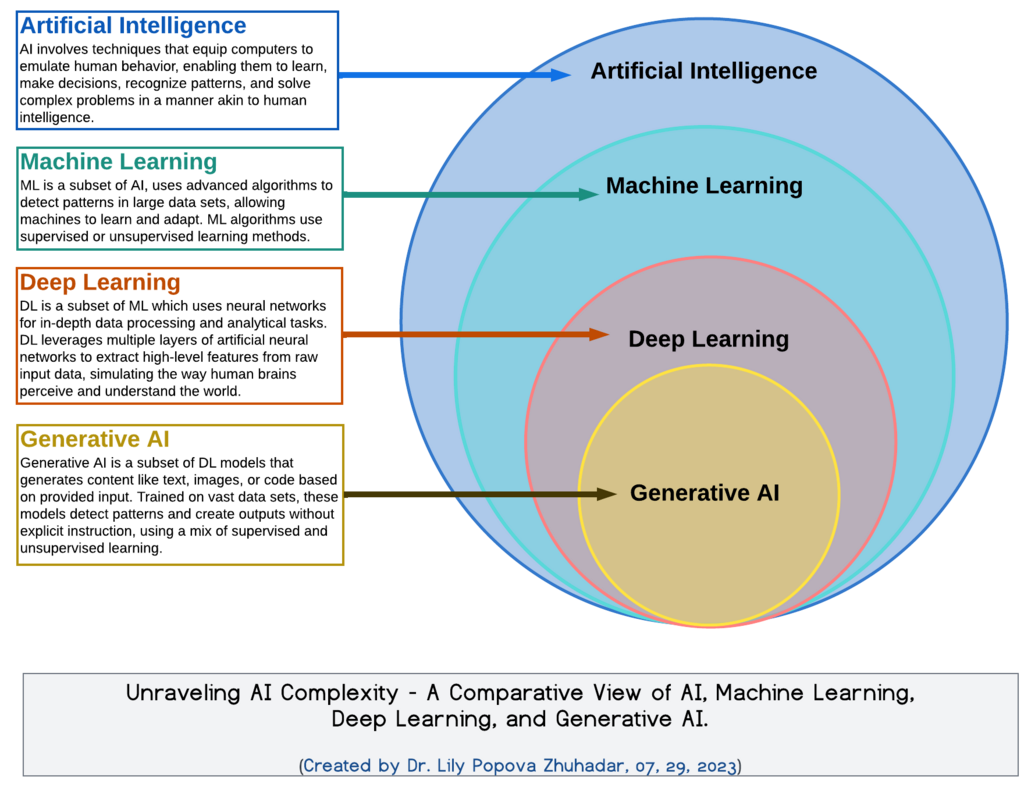
AI itself isn't one single thing. It's a broad field of computer science that includes more specific areas like machine learning and deep learning. You can think of them as nested concepts, each one a more specialized version of the last.
A Brief History in Web Development
The web wasn't always so dynamic. In the early days, websites were static pages of text and images. Every change, no matter how small, required someone to manually edit the HTML code. It was the digital equivalent of chipping words into stone tablets.
The first wave of automation came with Content Management Systems (CMS) like WordPress and Drupal. Suddenly, you didn't need to be a programmer to update a blog post or add a new product. These systems automated the process of generating web pages from a database, making the web more accessible and dynamic. This was a huge leap forward.
Now, AI represents the next evolution. Early AI in web development was subtle, often working behind the scenes. It powered recommendation engines on e-commerce sites (“Customers who bought this also bought…”) or optimized ad placements. Today, AI's role is much more direct and creative, impacting every stage of how a website is built and managed.
How AI is Used Today
So, what can AI actually do for a website? The applications are broad, but they generally fall into a few key categories that streamline the entire process from concept to maintenance.
Design and Layout Instead of starting from a blank slate, AI tools can generate entire website layouts based on a simple text description. You can say, "I need a clean, modern portfolio site for a photographer," and an AI can suggest color palettes, font pairings, and page structures. It automates the initial, often time-consuming, brainstorming and wireframing process.
Content Creation From writing blog posts and product descriptions to generating images and videos, AI is a powerful content assistant. It can help overcome writer's block by suggesting headlines or drafting entire articles. It can also personalize content, showing different messages or images to different visitors based on their past behavior to make the experience more relevant.
User Experience AI excels at personalization. It can analyze how a user interacts with your site and dynamically change the experience. This could mean reordering products on a store page to match a user's interests or powering a smart chatbot that can answer complex questions 24/7. The goal is to make every visitor feel like the site was designed just for them.
Maintenance and Optimization Once a site is live, the work isn't over. AI can automate many maintenance tasks that used to be manual. For example, it can crawl your site to find and fix broken links, optimize images to improve loading speed, or run A/B tests to figure out which version of a button or headline gets more clicks. It's like having a vigilant assistant constantly working to improve your site's performance.
Let's check your understanding of these core concepts.
What is the primary difference between traditional automation and AI as described in the context of web development?
According to the provided text, Content Management Systems (CMS) like WordPress are an example of the first wave of AI in web development.
By handling these different aspects of web development, AI automation frees up creators to focus on the bigger picture: strategy, creativity, and building a better relationship with their audience.