AI Automation for Teams
Introduction to AI Automation
What Are AI and Automation?
Let's start with two key ideas: automation and artificial intelligence. They're often used together, but they aren't the same thing.
Automation
noun
The use of technology to perform tasks that were previously done by humans. Its goal is to do things more efficiently, with fewer errors.
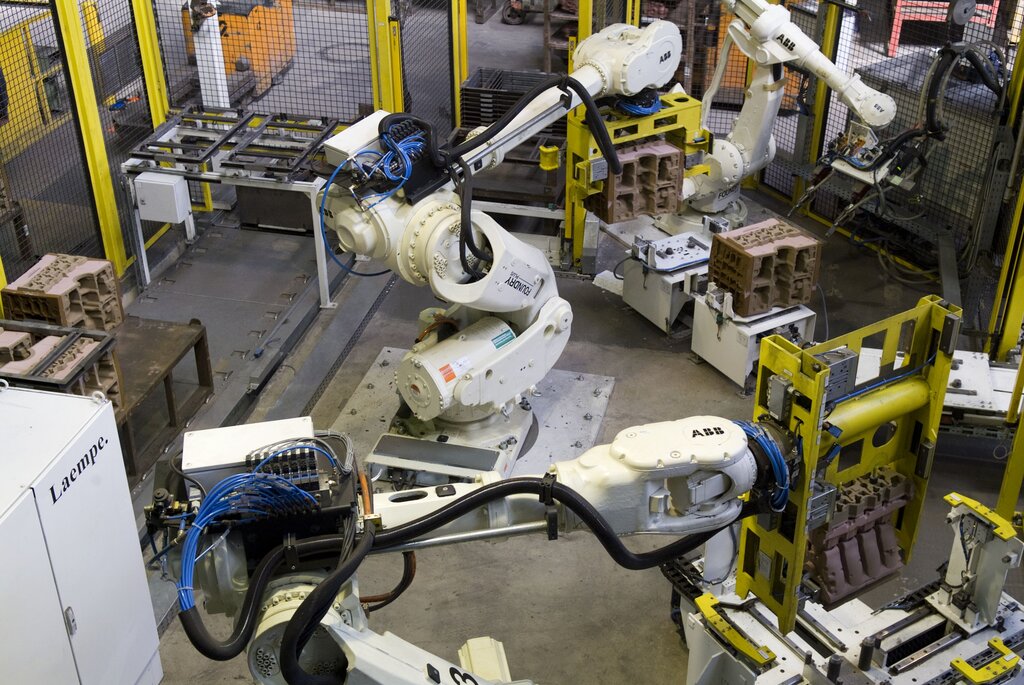
Think of a car factory. For decades, robotic arms have been used to weld car parts. They follow a precise, pre-programmed set of instructions to perform the exact same task over and over. That's classic automation. It's about following a script.
Artificial Intelligence
noun
The simulation of human intelligence in machines, enabling them to learn, reason, solve problems, and understand language. AI systems are designed to perform tasks that typically require human intellect.
AI, on the other hand, is about thinking and adapting. When you combine the two, you get AI automation: systems that can not only perform a task but also learn, make decisions, and handle variability without being explicitly programmed for every scenario.
From Fixed Rules to Flexible Thinking
The journey to AI automation has been a long one. Traditional automation began with mechanical systems in the industrial revolution and evolved into rule-based software that handles repetitive digital tasks, like sending a standard email reply when a form is submitted. It's powerful but rigid. It does exactly what it's told, and nothing more.
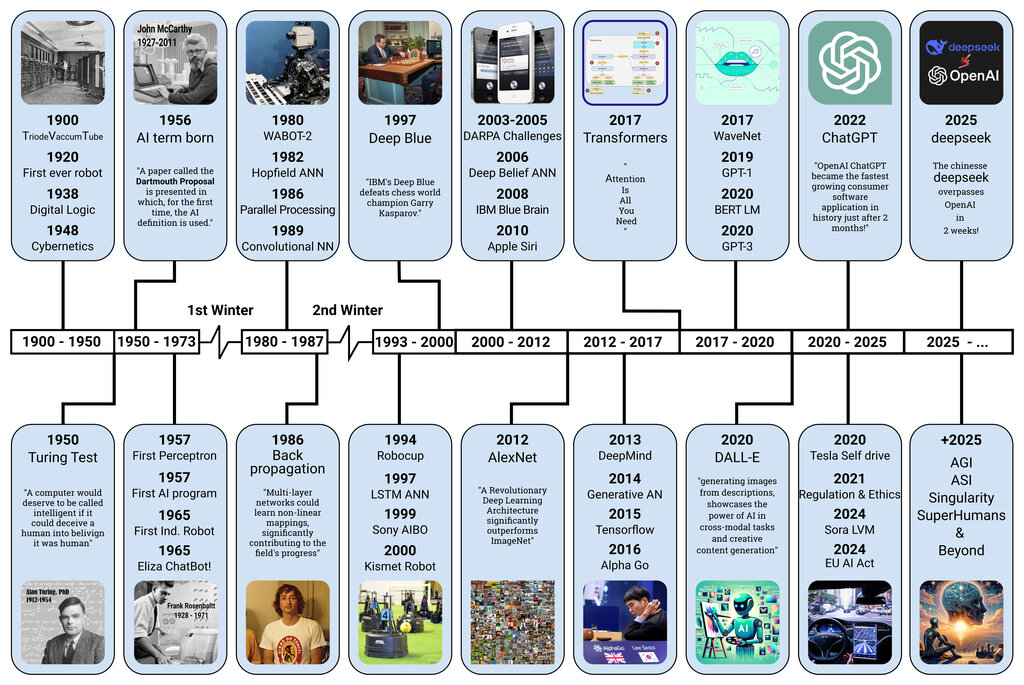
AI-driven automation is a major leap forward. Instead of just following a script, it uses intelligence to manage tasks. It can understand context, recognize patterns, and adapt to new information. This shift moves us from simply doing tasks faster to doing them smarter.
Think of traditional automation as an intern who needs exact instructions for every task. AI automation is more like a senior assistant who can take a goal, reference past projects, check your calendar, and figure out what needs to be done without constantly asking you.
The Engines of AI Automation
Several key technologies power modern AI automation. Each one mimics a different aspect of human intelligence.
Machine Learning (ML) is the brain. It's the ability for a system to learn from data without being explicitly programmed. By analyzing vast datasets, ML models can identify patterns, make predictions, and improve their performance over time. This is what helps an email system automatically filter spam by learning what junk mail looks like.
Next are the senses.
Natural Language Processing (NLP) is the ears and mouth. It gives machines the ability to understand, interpret, and generate human language. When a customer service chatbot understands your question and provides a relevant answer, that's NLP at work. It's also used to summarize long documents or translate between languages.
Computer Vision is the eyes. It allows AI to interpret and understand information from images and videos. Applications are everywhere: self-driving cars use it to identify pedestrians and traffic signs, security systems use it for facial recognition, and manufacturing uses it to spot defects on a production line.
These technologies rarely work in isolation. A sophisticated AI automation system, like an automated checkout at a grocery store, might use computer vision to identify your items, machine learning to suggest related products you might like, and NLP to understand your voice commands.
Putting It All to Work
The applications of AI in task automation are already widespread. In business, it handles data entry, sorts customer support tickets, and manages inventory. By taking over these repetitive, high-volume tasks, AI frees up people to focus on more complex, strategic, and creative work.
Consider scheduling. A traditional automated calendar might send a reminder for a meeting. An AI-powered scheduler, however, can analyze multiple people's calendars, understand preferences like "I prefer morning meetings," and negotiate a time that works for everyone, all via email. It doesn't just follow a rule; it solves a problem.
This is the core of AI automation: using technology to handle not just the simple, repetitive tasks, but the complex ones that require a bit of thinking.
A factory uses robotic arms to weld car doors. The arms perform the exact same welding pattern on every car. What is this an example of?
What is the primary advantage of AI-driven automation over rule-based automation?
Understanding these fundamentals provides the foundation for seeing how AI can reshape workflows and unlock new levels of efficiency.