AI Automation for Retail Problem Solving
Introduction to AI in Retail
Smarter Shopping
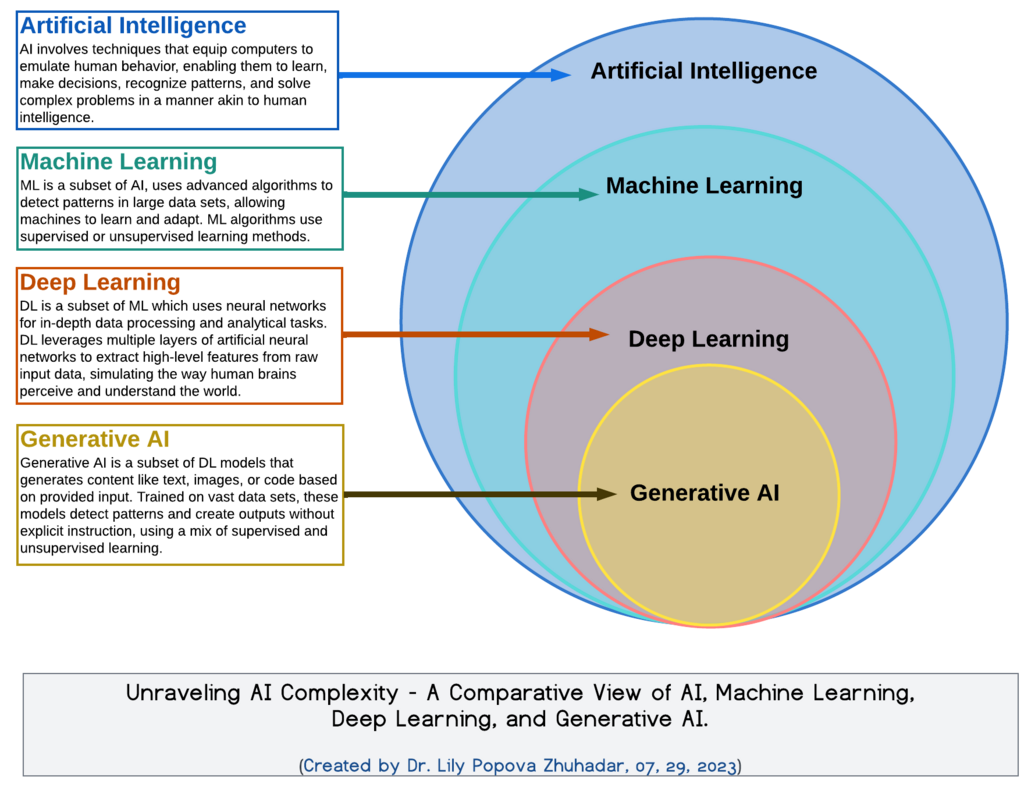
Artificial intelligence, or AI, isn't just about robots and science fiction. At its core, AI allows computer systems to perform tasks that typically require human intelligence. This includes learning from experience, understanding language, recognizing patterns, and making decisions. Think of it as teaching a computer to think and solve problems on its own.
In the world of retail, this technology is changing everything, from the way you find products online to how stores manage their inventory. Instead of relying on guesswork, retailers can use AI to understand what customers want and run their businesses more efficiently.
Artificial intelligence in retail is injecting a fresh dose of energy into the industry, helping retailers optimize their operations, explore new ways to engage with customers, and take CX to the next level.
AI at Work in Retail
So, what does AI actually do in a retail setting? Its applications are surprisingly common and designed to make the shopping experience smoother for everyone.
Have you ever browsed a product online and then seen recommendations for similar items? That's AI in action. It analyzes your browsing history and past purchases to suggest things you might like.
Here are a few key ways AI is being used:
-
Personalized Shopping: AI algorithms create unique experiences for each customer. This includes targeted ads, personalized emails with special offers, and websites that change to show you the most relevant products.
-
Smarter Supply Chains: Retailers use AI to predict demand for products. This helps them keep popular items in stock without over-ordering things that won't sell. AI can also optimize delivery routes, getting products to stores and customers faster.
-
Customer Service Chatbots: Many retail websites now feature chatbots that can answer common questions 24/7. These AI-powered assistants can help you track an order, find information about a product, or process a return, freeing up human agents for more complex issues.
-
Dynamic Pricing: AI can adjust prices in real-time based on demand, competitor pricing, and inventory levels. This helps companies stay competitive and maximize revenue.

Benefits for Everyone
The adoption of AI in retail offers advantages for both businesses and consumers. For retailers, the benefits are clear: increased efficiency, higher sales, and better inventory management. By automating routine tasks and gaining deeper insights from data, companies can reduce costs and make smarter business decisions.
For shoppers, the payoff is a more convenient and personalized experience. AI helps you find what you're looking for faster, discover new products you'll love, and get quick answers to your questions.
A major trend right now is the use of AI to blend online and in-store shopping. This includes things like 'smart shelves' that track inventory automatically or apps that let you try on clothes virtually. The goal is to create a seamless experience, whether you're shopping on your phone or in a physical store. As technology continues to evolve, AI will become even more integrated into our daily shopping habits.
Let's review what we've covered.
What is the fundamental purpose of Artificial Intelligence (AI)?
Which of the following is a direct example of AI being used for personalized shopping in retail?
By making shopping more personal and operations more efficient, AI is fundamentally reshaping the retail landscape.