AI Automation Explained
Introduction to AI Automation
What Is AI Automation?
At its core, automation is about making a process or system operate automatically, without human intervention. Think of a simple thermostat. You set a temperature, and it turns the heat or air conditioning on and off to maintain it. This is basic, rule-based automation. It follows a simple "if this, then that" command.
If the temperature drops below 68°, turn on the heat. If it goes above 68°, turn it off.
AI automation is a major leap forward. Instead of just following pre-programmed rules, it uses Artificial Intelligence to handle complex tasks that normally require human thought and judgment. It can learn from data, make decisions, and adapt to new situations. It's the difference between a simple thermostat and a smart home system that learns your habits and adjusts the temperature based on the time of day, whether you're home, and even the weather forecast.
A Quick Trip Through Time
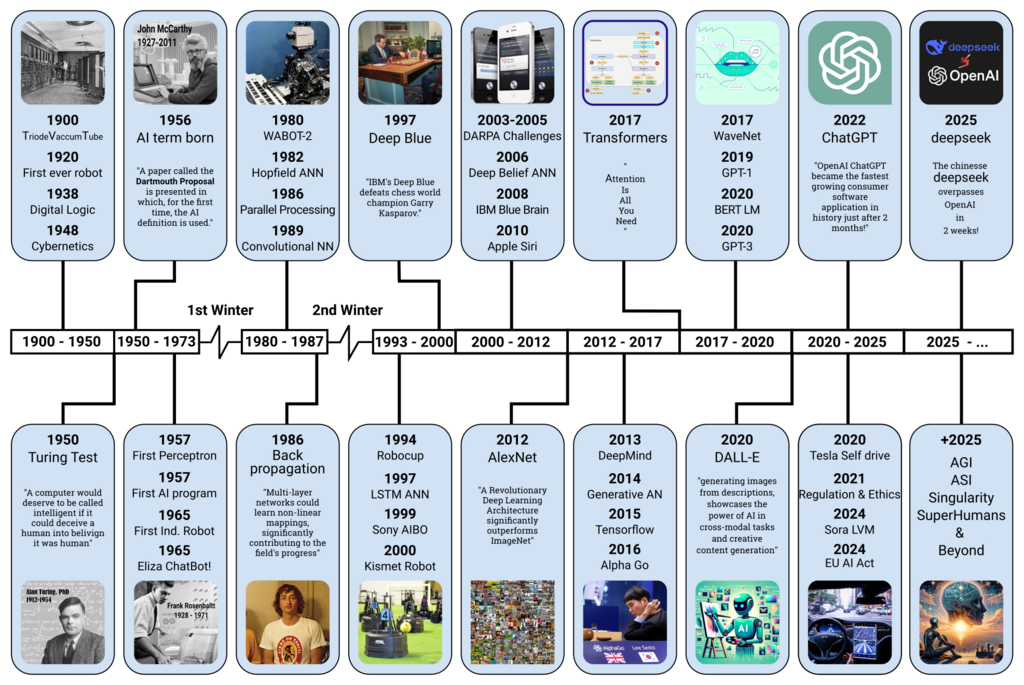
The journey to AI automation wasn't a single step. It began with industrial automation in the early 20th century, where machines took over repetitive physical tasks on assembly lines. With the rise of computers, automation moved into the office, handling data entry and calculations. But these systems were still just following rigid instructions.
The real game-changer was the development of AI. As computers became more powerful and researchers made breakthroughs in areas like machine learning, automation started to get smarter. It could now analyze vast amounts of data, recognize patterns, and make predictions, paving the way for the sophisticated systems we see today.
The Building Blocks
AI automation isn't one single technology. It's a combination of several key components working together. Let's look at the three biggest players.
Machine Learning
noun
A type of AI that gives computers the ability to learn from data without being explicitly programmed. It focuses on developing algorithms that can identify patterns and make decisions.
Machine learning (ML) is the brain of many AI automation systems. It's how a system gets better over time. For example, an automated system for approving loans can use ML to analyze thousands of past loan applications. It learns to identify the characteristics of applicants who are likely to pay back their loans, improving its accuracy with every new piece of data.
Natural Language Processing
noun
A field of AI that enables computers to understand, interpret, and generate human language, both text and speech.
Natural Language Processing, or NLP, bridges the gap between humans and machines. It allows automation tools to work with unstructured information like emails, documents, and conversations. When you ask a voice assistant to set a timer, NLP is what translates your spoken words into a command the device can execute.
Robotics
noun
The branch of technology that deals with the design, construction, operation, and application of robots. When combined with AI, it allows machines to perform physical tasks intelligently.
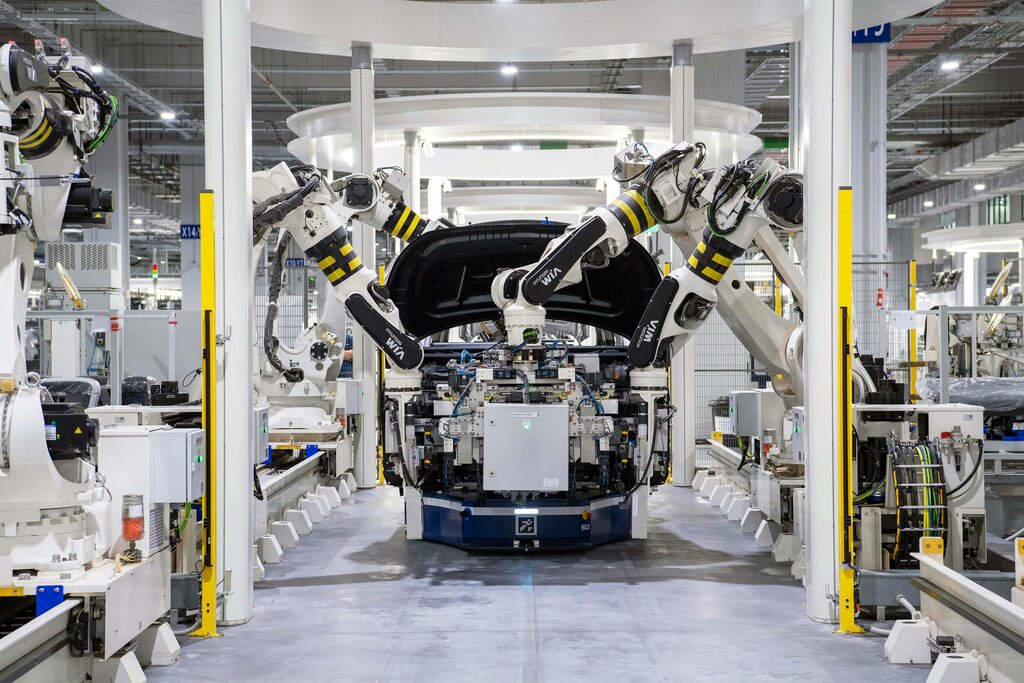
Robotics gives AI automation a physical presence. This is where software meets the real world. In manufacturing, AI-powered robots don't just repeat the same motion endlessly. They can use computer vision to inspect parts for defects, adjust their grip based on an object's size and shape, and navigate a crowded factory floor without collisions.
Transforming Industries
The impact of AI automation is widespread and growing. In healthcare, it helps doctors analyze medical images to spot diseases earlier and more accurately. In finance, it detects fraudulent transactions in real time by spotting unusual patterns in spending.
Transportation is being revolutionized by self-driving vehicle technology, which uses AI to perceive the environment and navigate safely. In customer service, AI chatbots handle common inquiries 24/7, freeing up human agents to focus on more complex problems. These are just a few examples of how AI is making processes faster, more efficient, and more intelligent across the board.
Now that you have a grasp of the basics, let's test your knowledge.
What is the primary characteristic that distinguishes AI automation from simpler, rule-based automation?
Which core component of AI is primarily responsible for enabling a chatbot to understand and respond to a user's written questions?