AI Automation Essentials
Introduction to AI Automation
What is AI Automation?
At its heart, AI automation is about teaching machines to perform tasks that normally require human intelligence. This goes far beyond the simple robots you might see on an assembly line. It involves creating systems that can recognize patterns, understand language, make decisions, and learn from experience.
Think of it like this: traditional automation is like setting a very specific alarm clock. It will go off at 7:00 AM every day, no matter what. AI automation is like having a personal assistant who learns your schedule. It notices you have an early flight, so it wakes you up earlier. It sees you have a day off and lets you sleep in. It adapts based on new information.
This technology isn't a single thing, but a broad field that covers everything from software that analyzes medical scans to chatbots that handle customer service inquiries. The goal is to delegate complex tasks to machines, allowing them to handle the work faster, more accurately, and at a greater scale than humans can alone.
Core Principles
AI automation works by combining two key ingredients: massive amounts of data and sophisticated algorithms.
Data is the textbook from which the AI learns. Whether it's millions of images, years of financial records, or countless customer conversations, data provides the examples the system needs to understand a task. The more relevant and high-quality data an AI has, the better it becomes at its job.
Algorithms are the learning strategies. They are sets of rules and statistical techniques that allow the AI to process data, identify patterns, and make predictions or decisions. For example, an algorithm might learn to spot the patterns that signal a fraudulent credit card transaction by analyzing thousands of past examples.
The final principle is continuous improvement. Unlike a traditional program that does the same thing every time, many AI systems are designed to learn from their outcomes. As they process more data and get feedback on their performance, they can refine their approach and become more effective over time.
Data is the fuel, and algorithms are the engine of AI automation.
AI Automation in Action
The applications of AI automation are already transforming countless industries. By handling complex, data-driven tasks, AI allows human experts to focus on more strategic and creative work. The impact varies from sector to sector, but the core benefit is often about increasing efficiency and unlocking new capabilities.
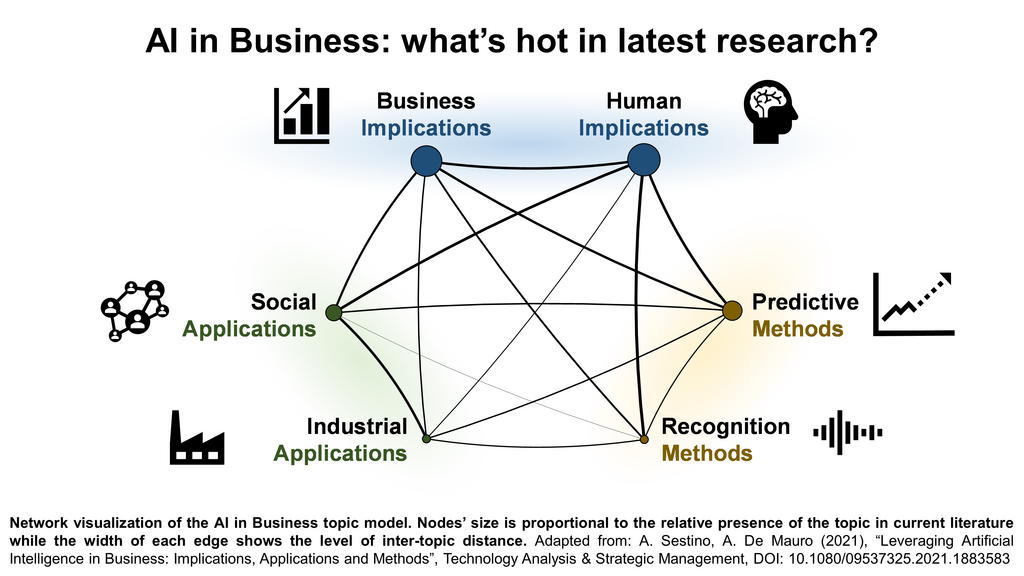
Here are a few examples of how different industries are using AI automation today.
| Industry | Application of AI Automation |
|---|---|
| Healthcare | Analyzing medical images like X-rays to detect signs of disease earlier than the human eye. |
| Finance | Monitoring financial transactions in real-time to identify and flag potential fraud instantly. |
| Manufacturing | Predicting when factory machinery is likely to fail, allowing for maintenance before a breakdown occurs. |
| Retail | Powering recommendation engines that suggest products to customers based on their browsing history. |
Navigating the Ethics
As AI automation becomes more powerful, it's crucial to consider the ethical challenges that come with it. These systems are not inherently neutral, and their design and use require careful thought.
One of the biggest issues is fairness. An AI is only as good as the data it's trained on. If historical data reflects societal biases, the AI will learn and even amplify those biases. For instance, an AI hiring tool trained on data from a male-dominated industry might unfairly penalize female candidates.
Another challenge is transparency. Some advanced AI models are so complex that even their creators don't fully understand how they arrive at a specific decision. This is often called the "black box" problem. When an AI denies someone a loan or makes a medical recommendation, it's important to know why, but that's not always possible.
Finally, there's the question of accountability. If an autonomous vehicle causes an accident, who is responsible? The owner, the manufacturer, or the software developer? Establishing clear lines of responsibility is a significant challenge as these systems become more autonomous.
As artificial intelligence transforms a wide range of sectors and drives innovation, it also introduces complex challenges concerning ethics, transparency, bias, and fairness.
The future of AI automation will likely involve more sophisticated systems that can handle even more complex tasks. At the same time, we'll see a growing focus on developing AI that is not only powerful but also fair, transparent, and accountable. Striking this balance is key to harnessing the benefits of automation responsibly.
What is the primary difference between AI automation and traditional automation?
AI systems learn to perform tasks by processing sets of rules and statistical techniques known as _______, which they apply to massive amounts of data.