AI Automation and Prompt Engineering for Educators
Introduction to AI in Education
What Is AI Anyway?
Artificial intelligence isn't about sentient robots from movies. At its core, AI is about teaching computers to perform tasks that typically require human intelligence. This includes learning from experience, recognizing patterns, understanding language, and making decisions.
Think of it like an incredibly fast learner that can process vast amounts of information in seconds. While the idea has been around for decades, recent advancements have made AI tools more powerful and accessible than ever before.
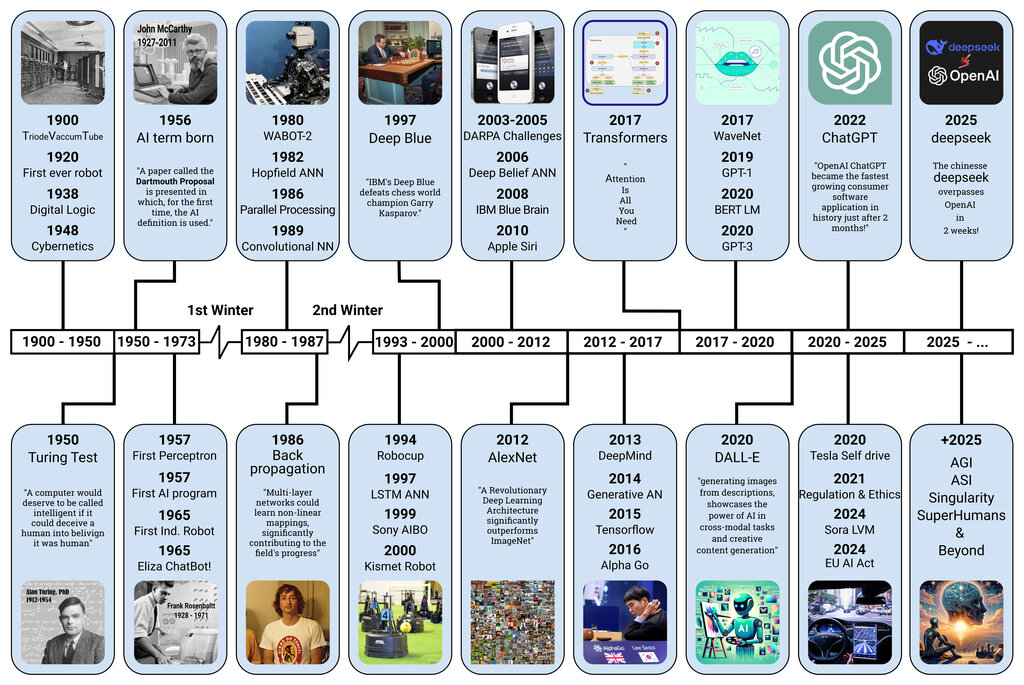
This isn't just one single technology. AI is a broad field that includes machine learning, where systems improve through data, and natural language processing, which helps computers understand and respond to human language. For educators, the key takeaway is that AI is a tool designed to assist, not replace, the human element in teaching.
AI in the Classroom Today
AI is already changing the educational landscape in practical ways. It's not some far-off future concept; it's being used right now to support both teachers and students.
One of the biggest impacts is in personalized learning. AI-powered platforms can adapt to each student's pace and learning style. If a student is struggling with fractions, the system can provide extra practice problems and targeted tutorials. If another masters the concept quickly, it can offer more challenging material. This allows every student to follow a learning path tailored just for them.
For teachers, AI is a powerful assistant for streamlining administrative work. It can automate the grading of quizzes, manage schedules, and organize resources. This frees up valuable time, allowing educators to focus on what they do best: connecting with students, fostering curiosity, and providing mentorship.
AI-driven tools can also enhance accessibility. Features like real-time translation, text-to-speech, and voice commands help create a more inclusive learning environment for students with diverse needs.
Benefits and Challenges
Integrating AI into education offers clear benefits. Students get immediate, personalized feedback that can boost their confidence and understanding. Educators gain deep insights into class performance, helping them identify common struggles and adjust their teaching strategies accordingly. The potential for more engaging, efficient, and individualized education is enormous.
However, adopting AI also comes with challenges and ethical questions that we need to address thoughtfully.
| Ethical Consideration | Key Question |
|---|---|
| Data Privacy | How is student data collected, used, and protected? |
| Algorithmic Bias | Do AI tools reflect or amplify existing biases in society? |
| Equity of Access | Will all students have equal access to these advanced tools? |
| Over-reliance | How do we ensure students still develop critical thinking skills? |
It's also important to remember AI's limitations. These tools are only as good as the data they are trained on. They can make mistakes, and they lack the emotional intelligence and real-world understanding that human teachers bring to the classroom. AI is a powerful co-pilot, but the teacher remains firmly in the driver's seat.
Artificial Intelligence (AI) in education offers transformative potential for personalized learning and administrative efficiency but raises ethical concerns about fairness, privacy, and accountability.
At its core, what is Artificial Intelligence (AI) primarily about?
How can AI-powered platforms primarily support personalized learning for students?
Understanding these fundamentals is the first step toward harnessing AI's potential responsibly in your classroom.