AI Assisted Short Story Sales
Understanding AI in Writing
The New Writing Partner
For a long time, the tools writers used were simple. Pen and paper, then typewriters, then word processors. They helped get the words down, but the creative spark was all on you. Now, artificial intelligence is changing that relationship. AI has evolved from a simple spellchecker into a dynamic creative partner.
Early writing AI was mostly about catching mistakes. Think of the red and green squiggly lines in your word processor. They were helpful, but they couldn't help you figure out what happened next in your story. Today's tools can. They can brainstorm plot twists, describe a scene in a dozen different ways, or even write a line of dialogue from a character's perspective. It's like having a co-writer who never gets tired and has read nearly everything ever written.
Benefits for Storytellers
Why would a writer turn to an AI? The reasons are as varied as the writers themselves. One of the biggest benefits is smashing through writer's block. When you're stuck staring at a blank page, an AI can offer a starting sentence, a character idea, or a surprising plot point to get you moving again.
AI also acts as an incredible engine for exploration. You can feed it a simple premise and ask it to generate multiple different outcomes. What if your hero failed? What if the friendly shopkeeper was secretly the villain? This allows you to explore possibilities you might not have considered, strengthening your final story.
Here are a few key advantages:
- Speed: Generate first drafts and outlines much faster.
- Variety: Get alternative phrasing, descriptions, and dialogue on demand.
- Refinement: Polish your prose by asking for ways to make a sentence more concise or impactful.
- Consistency: Keep track of character details and plot points in a long story.
Think of AI as your personal 'what if' machine. It can instantly show you ten different paths your story could take, helping you choose the most compelling one.
A Tour of the AI Toolbox
As of late 2025, the market is full of powerful AI writing tools, each with its own strengths. Not all are created equal. Some are general-purpose assistants, while others are designed specifically for fiction writers. Knowing the difference helps you pick the right tool for the job.
| Tool | Best For | Key Feature |
|---|---|---|
| Sudowrite | Fiction & Short Stories | Story-aware features like "Describe" and "Twist" |
| NovelAI | Genre Fiction & World-building | Fine-tuned for specific styles (e.g., fantasy, sci-fi) |
| ChatGPT | General Brainstorming & Editing | Highly versatile conversational interface |
Sudowrite is like a co-writer built for novelists. It understands narrative structure and helps you enhance your existing prose or generate new scenes that fit your style. NovelAI shines for writers working in specific genres, offering models trained on particular types of literature to help capture the right tone. ChatGPT is a powerful all-rounder, great for bouncing ideas around, creating outlines, or getting a quick summary of a concept.
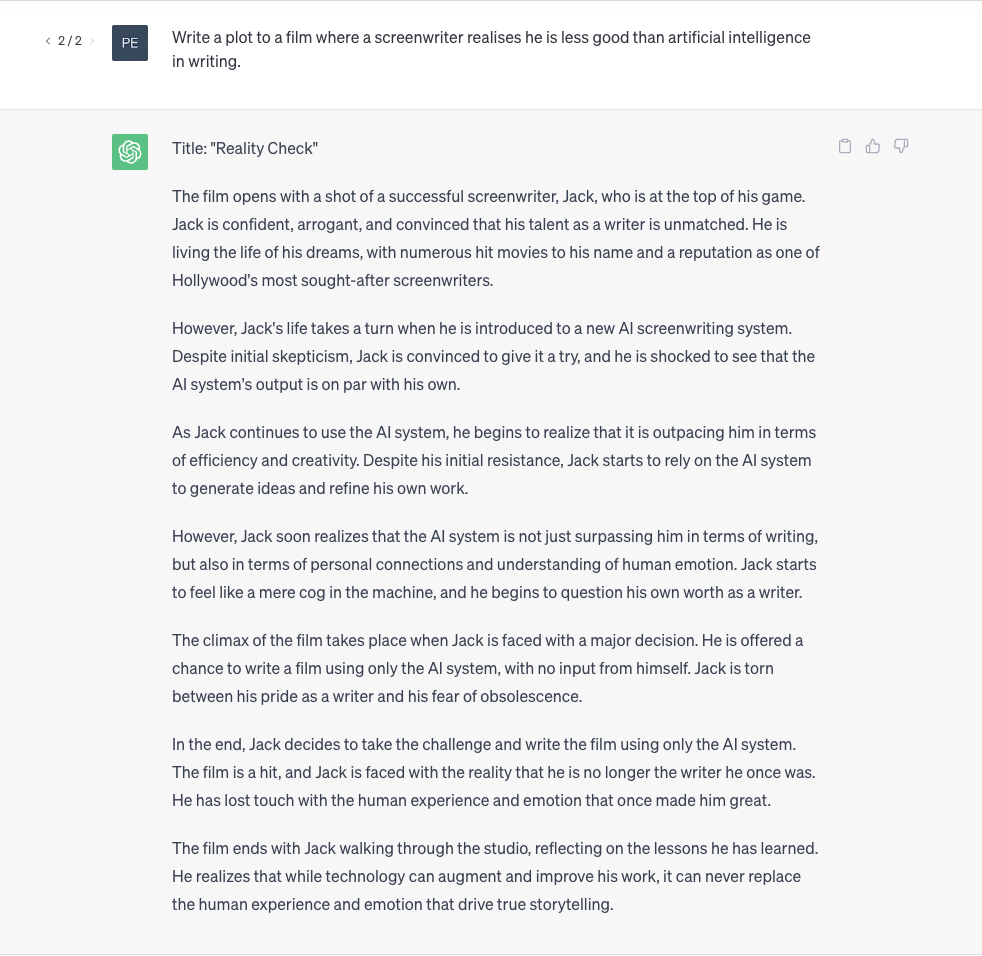
Choosing a tool often comes down to personal workflow. Do you want an assistant that integrates directly into your writing process, or a separate sounding board for ideas? Experimenting is key.
Use AI tools to enhance your writing, not replace it entirely.
Ultimately, these tools are there to serve your vision. The story, the voice, and the final decisions remain yours. Think of AI as a powerful instrument; you are still the musician.