AI-Assisted iOS Development
Introduction to AI Development Tools
AI in Your Code Editor
Software development is changing. For years, code editors have helped with basic tasks like syntax highlighting and autocompleting variable names. But now, artificial intelligence is bringing a new level of assistance directly into the editor. These AI-powered tools don't just complete your words; they understand your intent. They can write entire functions from a simple description, spot complex bugs, and even explain unfamiliar code.
Think of it as moving from a helpful dictionary to a full-on collaborator. Instead of just checking your spelling, this partner can help you brainstorm, structure your arguments, and write entire paragraphs. The goal is to handle the repetitive, tedious parts of coding, freeing you up to focus on creative problem-solving and building great software.
Meet Cursor
One of the most powerful tools in this new wave is Cursor. It's an AI-first code editor, built on the foundation of the popular Visual Studio Code (VS Code). This means you get a familiar, stable editing experience supercharged with advanced AI capabilities.
Cursor is more than just a code editor, it’s your AI coding partner, built on top of VS Code but reimagined for the AI era.
Cursor integrates AI deeply into the coding workflow. Its core features are designed to feel natural and intuitive. Let's look at a few.
Code with a Chatbot: You can highlight a block of code and ask Cursor questions in plain English, like "How can I make this more efficient?" or "Add error handling to this function." The AI will then suggest changes or rewrite the code for you.
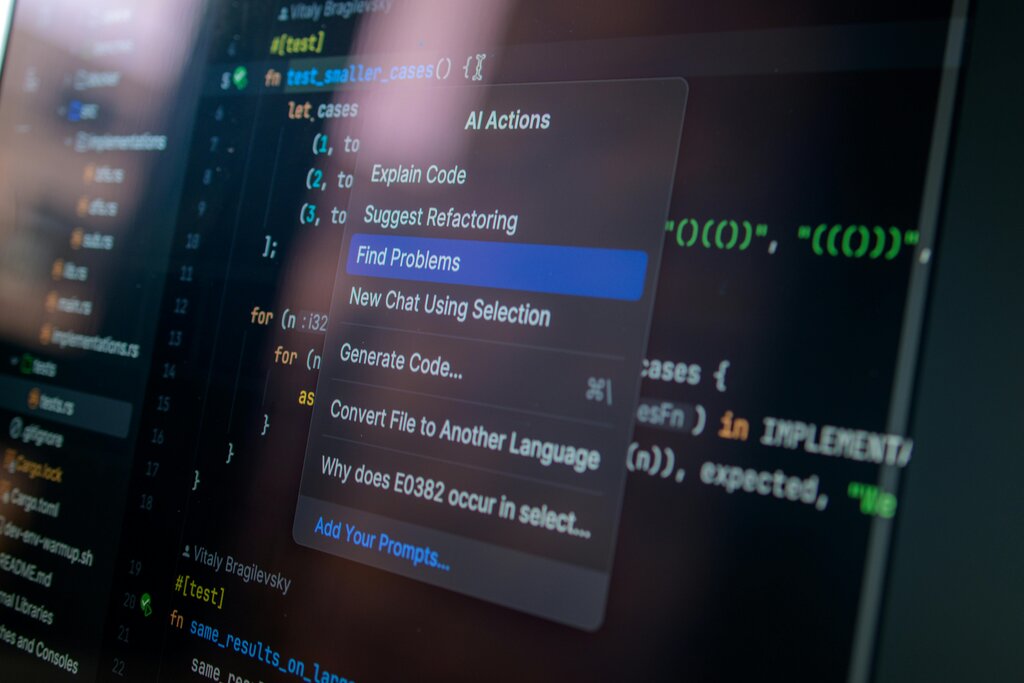
Context-Aware Assistance: Cursor reads and understands your entire project, not just the file you're currently editing. This allows it to give much more relevant and accurate suggestions, because it knows how all the pieces of your codebase fit together.
This deep understanding allows the AI to perform complex tasks, such as refactoring code across multiple files or generating new code that matches your project's existing style and conventions.
Why Use AI Coding Tools?
The benefits of integrating AI into your workflow are significant. The most obvious is a boost in productivity. Repetitive tasks that used to take minutes or hours can often be completed in seconds. This includes writing boilerplate code, generating documentation, or creating unit tests.
AI tools also act as a powerful safety net. They can identify potential bugs, security vulnerabilities, and performance issues that a human eye might miss. By catching these errors early, you save time on debugging later. It's like having a constant, automated code review process running alongside you as you work.
AI-powered coding assistants handle repetitive tasks such as code completion, documentation, and error detection, which boosts productivity.
Getting Started with Cursor
Setting up Cursor is straightforward. You can download it directly from the official website. Since it's a fork of VS Code, if you've used that editor before, the interface will feel very familiar. All your favorite themes and keybindings will work out of the box.
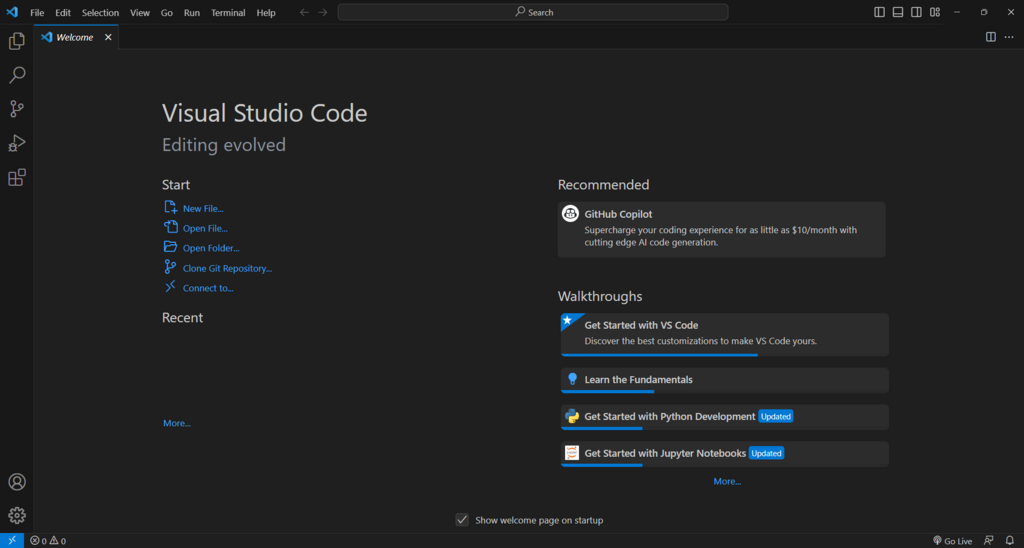
Once installed, the main interface elements are the standard text editor, the file explorer on the left, and the integrated terminal at the bottom. The key difference is the AI chat panel. This is where you'll interact with Cursor's AI. You can open it to ask general questions, or use keyboard shortcuts to bring up an inline chat for editing specific code blocks.
The best way to learn is by doing. Try opening one of your existing projects in Cursor and ask the AI to explain a piece of code you're not familiar with. From there, you can start exploring its more advanced features.
Ready to check your understanding?
What is the primary difference between traditional code editors and modern AI-powered editors as described in the text?
Cursor is built on the foundation of which popular, existing code editor?
AI development tools like Cursor represent a major shift in how we write software. By handling tedious work and providing intelligent assistance, they allow developers to build better applications, faster.