AI-Assisted Code Generation for Founders
Introduction to AI Coding Assistants
Your New Coding Partner
Imagine you're writing code, and instead of just a blinking cursor, you have a helpful partner sitting next to you. This partner can suggest the next line of code, spot a potential bug before you do, or even write an entire function based on a simple description you give it. That's the core idea behind AI coding assistants.
These tools are much more than advanced spell-checkers for programmers. They are sophisticated AI models, trained on vast amounts of public code, that integrate directly into a developer's workflow. They understand the context of what you're building and provide intelligent suggestions in real-time.
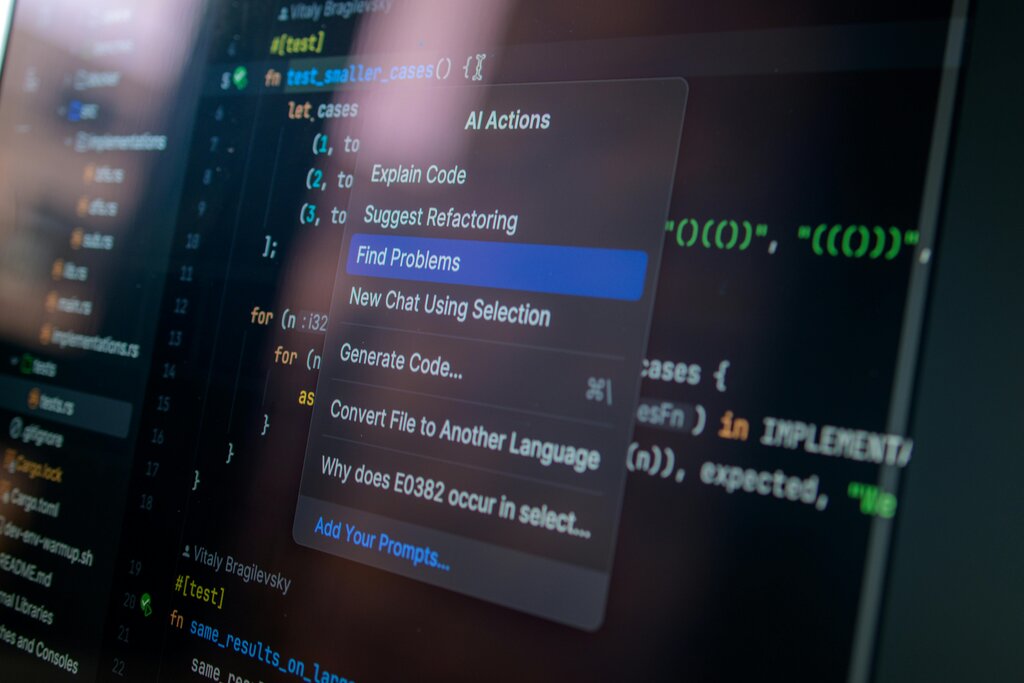
Their capabilities range from simple code completion to more complex tasks. They can generate boilerplate code, write documentation, translate code from one language to another, and even help you debug tricky problems by explaining what a block of code does in plain English.
Meet the Assistants
While many AI coding assistants are now available, a few major players have shaped the field. You've likely heard of at least one of them.
GitHub Copilot: Developed by GitHub and OpenAI, this is one of the most well-known assistants. It works like an advanced autocomplete, suggesting lines or entire blocks of code as you type.
Claude: Created by Anthropic, Claude is known for its strong conversational abilities. It can help with more complex, multi-step coding problems and is skilled at explaining concepts and refactoring existing code.
Google Jules: This is an internal tool developed by Google to assist its own engineers. Its existence shows how valuable these assistants are, leading major tech companies to invest in creating their own specialized versions.
Each tool has its strengths, but they all share the same goal: to augment the developer's abilities, not replace them. They act as a collaborator, handling repetitive tasks and freeing up the programmer to focus on more complex problem-solving.
A Boost to Productivity
The primary benefit of using an AI coding assistant is a significant boost in efficiency. Writing repetitive code, setting up new project files, or looking up syntax can be time-consuming. These tools automate much of that drudgery.
For experienced developers, this means faster development cycles. For beginners, it's a powerful learning aid. An assistant can show you the conventional way to write a piece of code, helping you learn best practices and new programming languages more quickly.
With AI, programmers can boost productivity, minimize coding errors, and create new solutions faster.
The idea of computers helping humans write code isn't new. We've had simple autocomplete and syntax highlighting for decades. But the launch of GitHub Copilot in 2021 marked a major leap forward. It was one of the first widely available tools to use a large language model specifically for coding, transforming the assistant from a simple suggestion tool into a true creative partner.
Since then, the technology has evolved rapidly, with new assistants and improved capabilities appearing constantly. This evolution is changing not just how we code, but how we think about software development itself.
What is the primary goal of an AI coding assistant?
Which of the following is NOT a capability of modern AI coding assistants described in the text?