AI-Assisted 2D Animation
Introduction to AI in 2D Animation
Animation's New Apprentice
For decades, animation has been a labor of love, built frame by painstaking frame. Animators would draw thousands of images to create just a few seconds of fluid motion. The process, while artistic, was incredibly time-consuming. First came digital tools, which swapped paper for pixels but kept the core process the same. Now, artificial intelligence is stepping in, not as a replacement for the artist, but as a powerful new assistant.
Think of AI as a highly skilled apprentice. It excels at the repetitive, but necessary, tasks that consume hours of an animator's day. This allows the lead animator—the creative mind—to focus on what truly matters: the story, the performance, and the key moments that bring a character to life.
AI technology is revolutionizing animation, enabling creators to generate stunning visuals with minimal effort.
The evolution has been gradual. Early forms of computer-assisted animation helped with digital painting and compositing. But modern AI takes this a step further. It doesn't just follow simple commands; it uses machine learning to understand and replicate complex artistic styles and movements, making it a true partner in the creative process.
Automating the Grunt Work
So, what specific jobs can this new AI apprentice handle? It's best suited for the tasks that require precision and consistency but less creative decision-making. These are the building blocks of animation that, when done manually, can feel like a marathon.
| Task | Traditional Method | AI-Assisted Method |
|---|---|---|
| In-betweening | Manually drawing every frame between two key poses. | AI generates the transitional frames automatically. |
| Coloring | Filling in color for each frame, one by one. | AI applies a consistent color palette across sequences. |
| Lip-Syncing | Matching mouth shapes to dialogue, frame by frame. | AI analyzes audio and generates corresponding mouth movements. |
Let's focus on in-betweening. An animator draws the start of a jump (keyframe A) and the end of it (keyframe B). Traditionally, they'd then have to draw all the little steps in the middle. With AI, the animator provides A and B, and the tool generates the frames that smoothly connect them. The animator still has full control over the key poses that define the action, but the connective tissue is handled automatically.
This frees up animators to concentrate on the most meaningful aspects of their work: developing compelling narratives and refining their artistic vision.
More Creativity, Not Less
A common fear is that AI will stifle creativity. In practice, the opposite is often true. By offloading the most tedious parts of the workflow, AI gives artists back their most valuable resource: time. This reclaimed time can be poured into experimentation, finessing character expressions, and perfecting the timing that makes a scene funny or emotional.
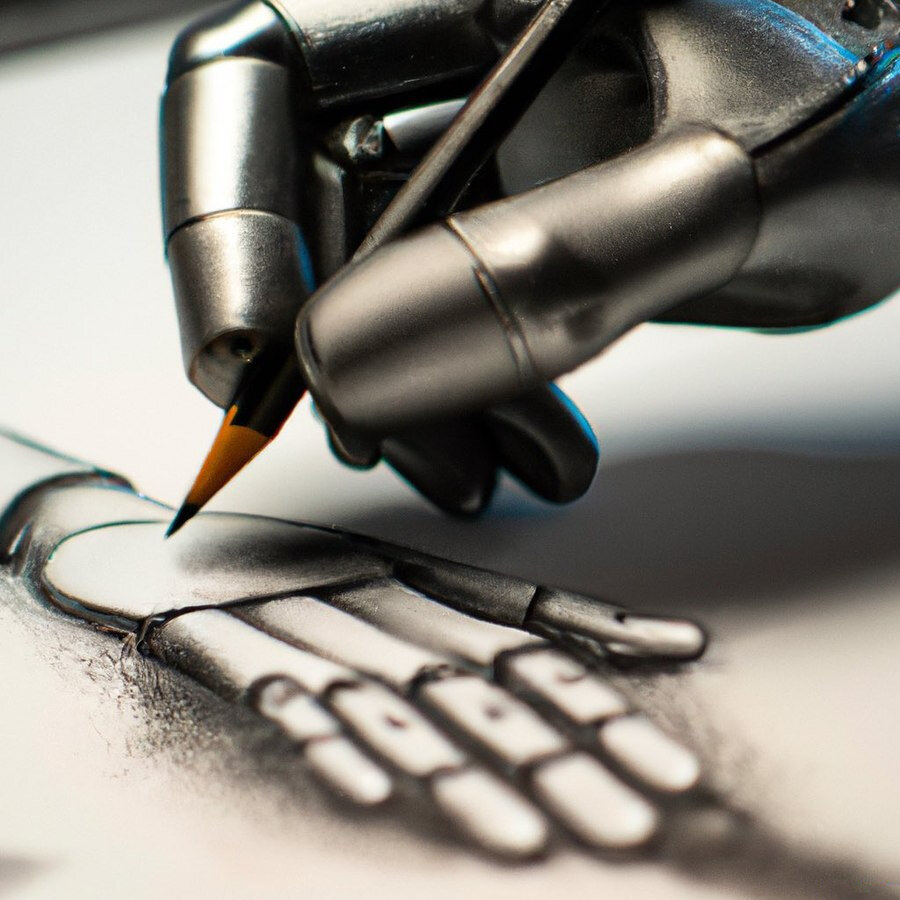
The benefits are clear. Production pipelines become faster and more efficient, allowing smaller studios or even solo creators to tackle projects that would have once required a large team. It also enhances consistency; an AI coloring tool won't accidentally use the wrong shade for a character's shirt in frame 1,342. This leaves the human animator in the director's chair, guiding the overall vision while the AI handles the meticulous execution. This partnership allows for more ambitious and polished animation than ever before.
What is the primary role of AI in modern animation, as described in the text?
An animator creates a character's starting pose and ending pose. Which task is AI best suited to handle?