AI Assistant Capabilities
Introduction to AI Assistants
What Is an AI Assistant?
An AI assistant is a software program that uses artificial intelligence to help you with tasks. Think of it like a personal helper living inside your phone, computer, or smart speaker. You can talk to it or type to it, and it understands what you mean. It can set reminders, play music, answer questions, and much more.
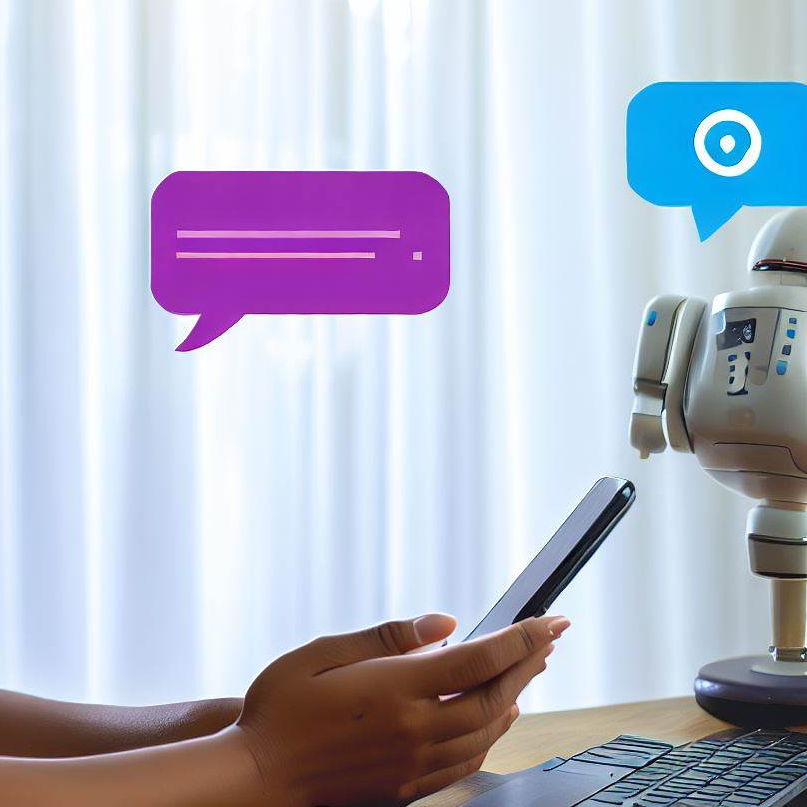
These assistants have come a long way. Early versions were more like simple calculators; they could only follow very specific, pre-programmed commands. If you didn't say the magic words exactly right, they wouldn't work. Over time, they've evolved into sophisticated partners that can understand the nuances of everyday language and learn from your habits.
The Brains Behind the Assistant
Three core technologies work together to make an AI assistant smart.
Natural Language Processing (NLP) is what allows the assistant to understand and respond in human language. When you say, "What’s the weather like tomorrow?" NLP breaks down your sentence to figure out your intent: you want a weather forecast for the next day. It then crafts a response that sounds natural, rather than robotic.
Machine Learning (ML) is how the assistant gets better over time. It’s a way for computers to learn from data without being explicitly programmed for every single task. For example, the more you ask your assistant to play a certain kind of music, the more it learns your preferences and can make better recommendations in the future.
Data Analysis is the process of inspecting and making sense of information. When you ask a question, the assistant often needs to quickly find and process data from the internet or its own knowledge base to give you an accurate answer. This could be anything from a stock price to the capital of Peru.
Two Main Flavors
While AI assistants can show up in many places, they generally fall into two main categories based on how we interact with them.
Voice-based assistants are the ones you talk to. Think of Apple's Siri, Amazon's Alexa, or Google Assistant. They are hands-free and great for when you're driving, cooking, or just don't want to type.
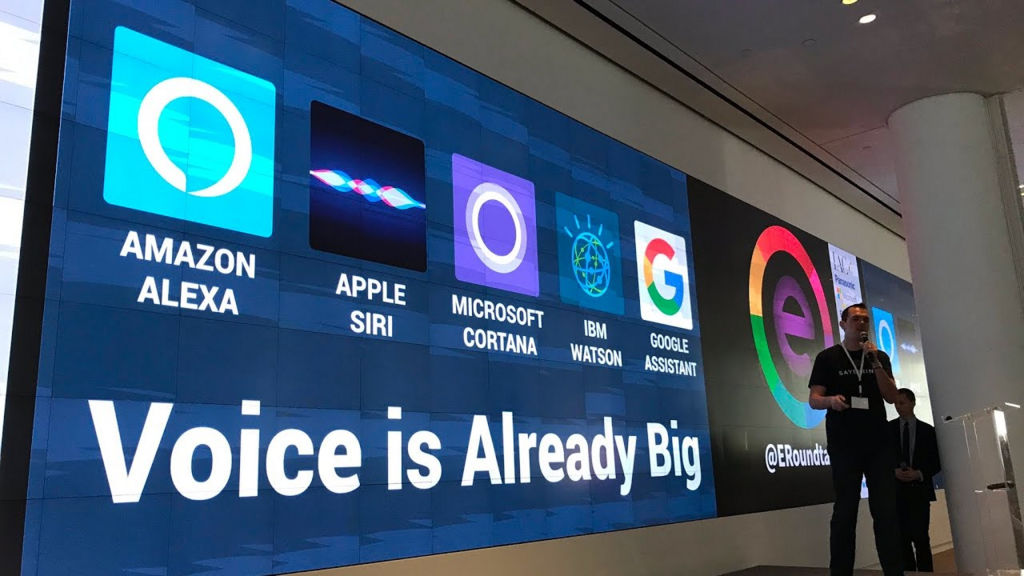
These assistants live in smartphones, smart speakers, and even cars. They excel at quick, on-the-go tasks like making calls, setting timers, or getting directions.
Text-based assistants, often called chatbots, are the ones you type to. You've probably seen them on websites offering customer support or inside messaging apps. They're designed to handle queries, guide you through a process, or provide information through written conversation.
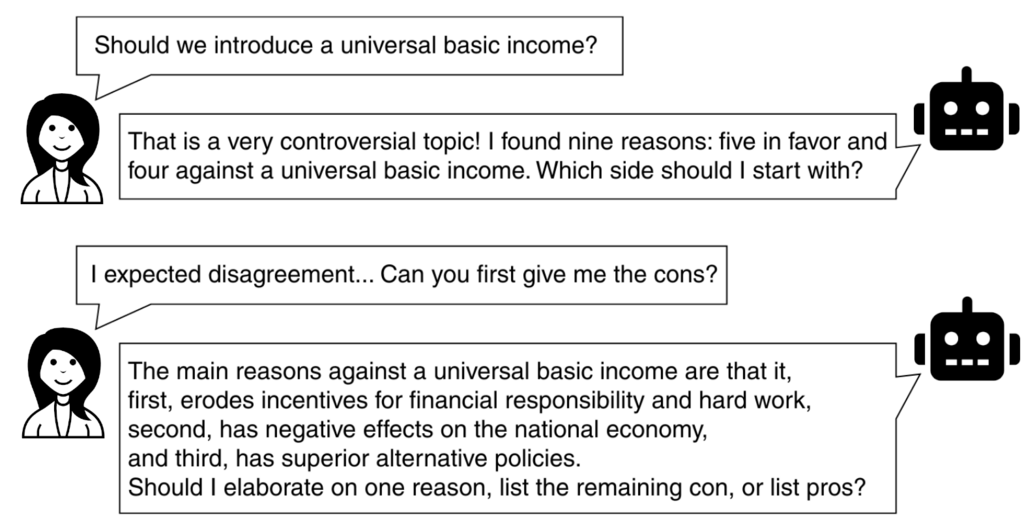
They are excellent for automating workflows and answering common questions, freeing up human agents to handle more complex issues. For example, a chatbot on a banking website can help you check your account balance or report a lost card without you ever needing to speak to a person.
More Than Just Answering Questions
The ultimate goal of an AI assistant is to make life and work more efficient. By handling routine tasks, they save us time and mental energy. An assistant can manage your calendar, organize your to-do list, and sift through emails to find important information, automating parts of your daily workflow.
This boost in productivity isn't just for individuals. In business, AI assistants can schedule meetings, transcribe notes, and provide customer support 24/7. They act as a force multiplier, allowing people to focus on creative problem-solving and strategic thinking rather than getting bogged down by repetitive chores.
What is the primary purpose of an AI assistant?
Which core technology allows an AI assistant to understand and respond in human-like language?
By understanding these basics, you can see how AI assistants are more than just a novelty; they are powerful tools that are changing how we interact with technology.