AI Assistant Capabilities
Introduction to AI Models
What Are AI Models?
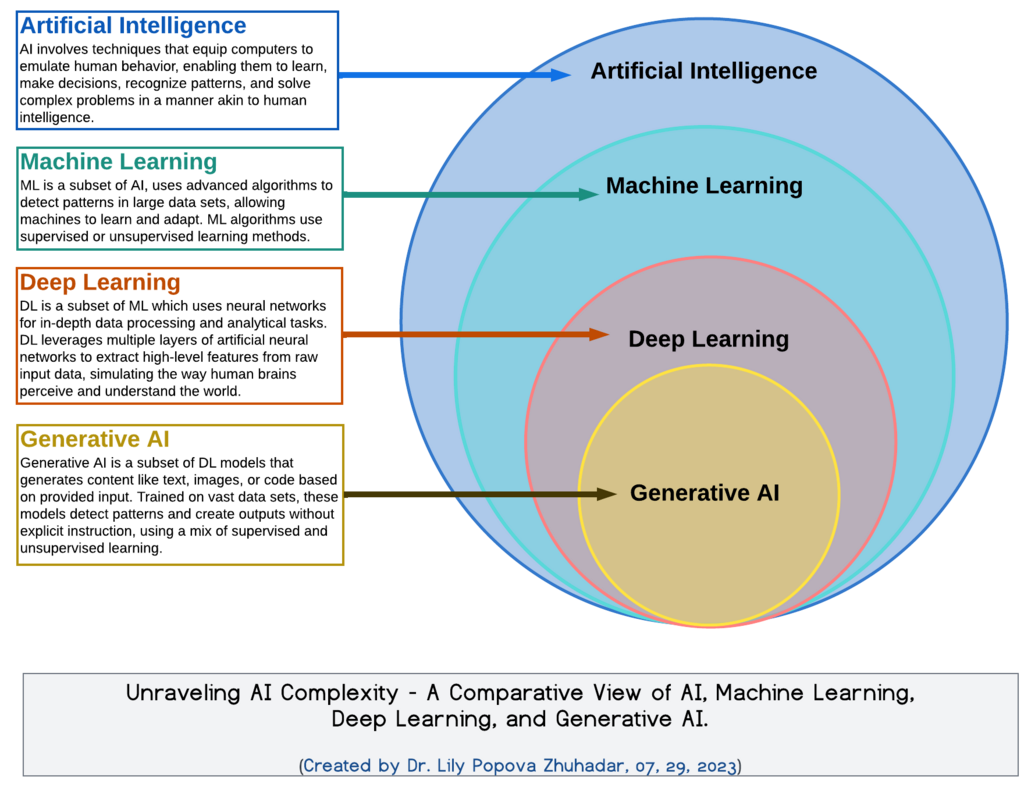
An AI model is like a specialized brain trained for a specific task. It's not a physical machine, but a complex piece of software built on algorithms and mathematical structures. By processing enormous amounts of data, a model learns to recognize patterns, make predictions, or generate new content. Think of it as an apprentice who studies thousands of examples to master a craft, whether that's identifying cats in photos, translating languages, or composing music.
AI Model
noun
A computational system trained on data to perform tasks that typically require human intelligence, such as pattern recognition, decision-making, or content generation.
These models are the core of artificial intelligence. They don't "think" or "understand" in a human sense. Instead, they find statistical relationships within data. A model trained on weather data learns the connection between falling barometric pressure and the likelihood of rain. A model trained on millions of sentences learns which words are likely to follow one another.
The Rise of Language Models
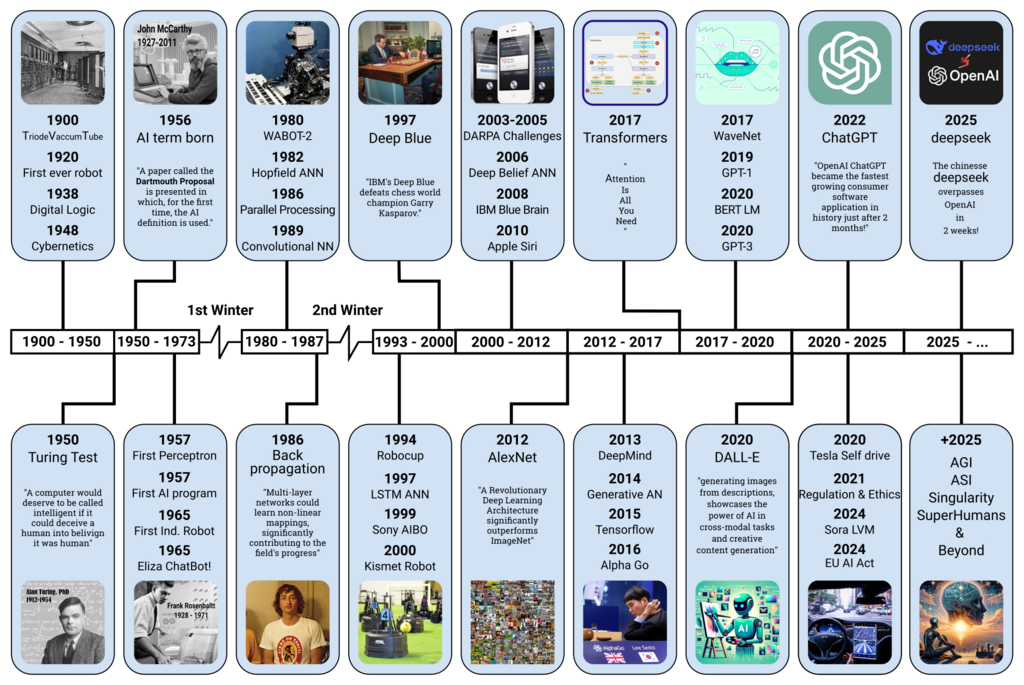
One of the most transformative types of AI is the language model. Its goal is to understand and generate human language. Early versions were quite simple. They worked by predicting the next word based on the last few words. For example, if it saw "the cat sat on the," it would calculate that "mat" was a very probable next word. This was useful but limited.
The real breakthrough came with the development of neural networks, which are inspired by the structure of the human brain. This led to Large Language Models (LLMs), which are trained on vast portions of the internet. Instead of just looking at a few preceding words, LLMs can consider the context of entire paragraphs or documents, allowing them to grasp meaning, nuance, and style.
Language models evolved from simple next-word predictors to complex systems that understand context and generate coherent, human-like text.
Understanding NLP
Language models are the engines that power a field called Natural Language Processing, or NLP. This is a branch of AI focused on enabling computers to understand, interpret, and generate human language in a way that is valuable.
Natural Language Processing
noun
A field of artificial intelligence that helps computers understand, interpret, and manipulate human language.
Every time you use a digital assistant, translate a webpage, or see your email service suggest a reply, you're interacting with NLP. These applications all rely on an underlying language model to do the heavy lifting of processing language.
| NLP Task | Real-World Application |
|---|---|
| Text Summarization | Condensing long articles or reports into brief summaries. |
| Sentiment Analysis | Determining if a product review is positive, negative, or neutral. |
| Machine Translation | Translating text from one language to another, like in Google Translate. |
| Question Answering | Powering chatbots and virtual assistants that answer user questions. |
AI Models in the Wild
While language models are making headlines, different types of AI models are quietly transforming countless industries. In healthcare, models analyze medical images like X-rays and MRIs to help doctors spot diseases earlier and more accurately. The finance industry uses models to detect fraudulent transactions in real time by identifying unusual spending patterns.
Entertainment platforms like Netflix and Spotify use recommendation models to predict which movies or songs you might enjoy next. And in the automotive world, complex models process data from sensors to enable features in self-driving cars. Each of these applications is powered by an AI model that was trained on specialized data for a specific purpose.
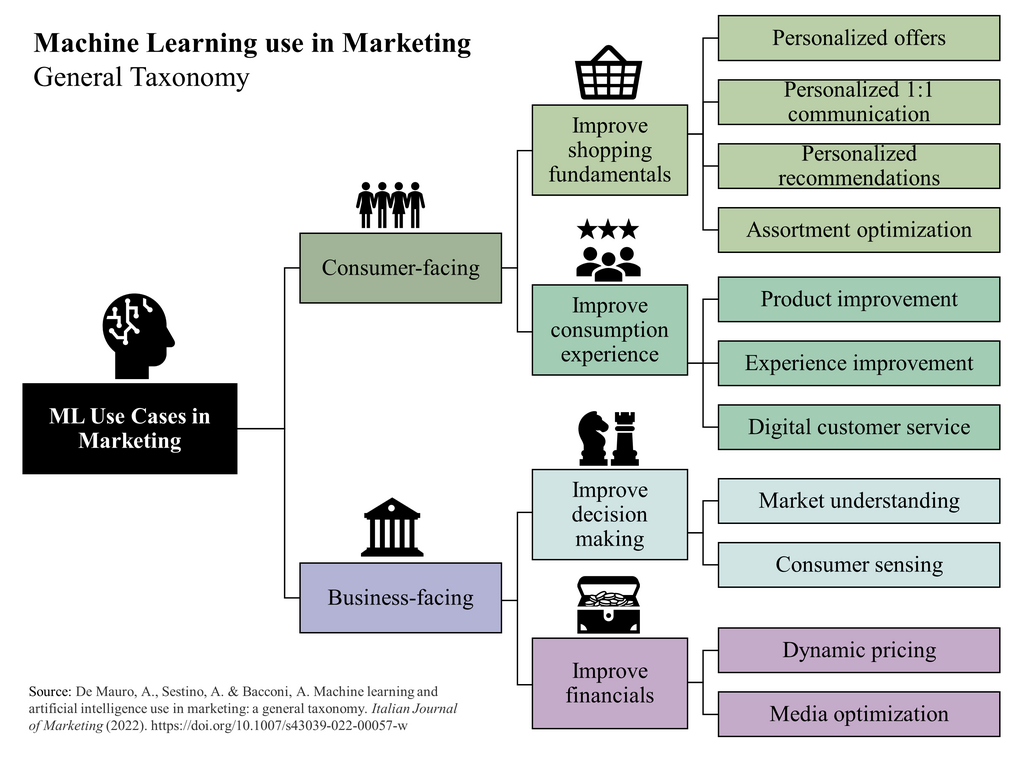
These models, from the simplest predictors to the most advanced LLMs, are the building blocks of modern AI. Understanding how they work at a high level is the first step to grasping the capabilities of systems like GPT-4.
At its core, what is an AI model?
An AI model 'understands' text by grasping its meaning and nuance in the same way a human does.