AI as Your Learning Superpower
Introduction to AI in Education
What Is Artificial Intelligence?
At its core, artificial intelligence is the science of making computers smart. It’s about teaching a machine to recognize patterns, make decisions, and learn from experience, much like a human does. You already interact with AI every day when your music app suggests a new song, your email filters out spam, or a navigation app finds the fastest route home.
The idea isn't new. Thinkers have dreamed of intelligent machines for centuries. But modern AI truly began to take shape in the mid-20th century. Early pioneers believed they could simulate human thought with logic and rules. Progress was slow, but breakthroughs in computing power and data analysis eventually led to the powerful AI we see today.
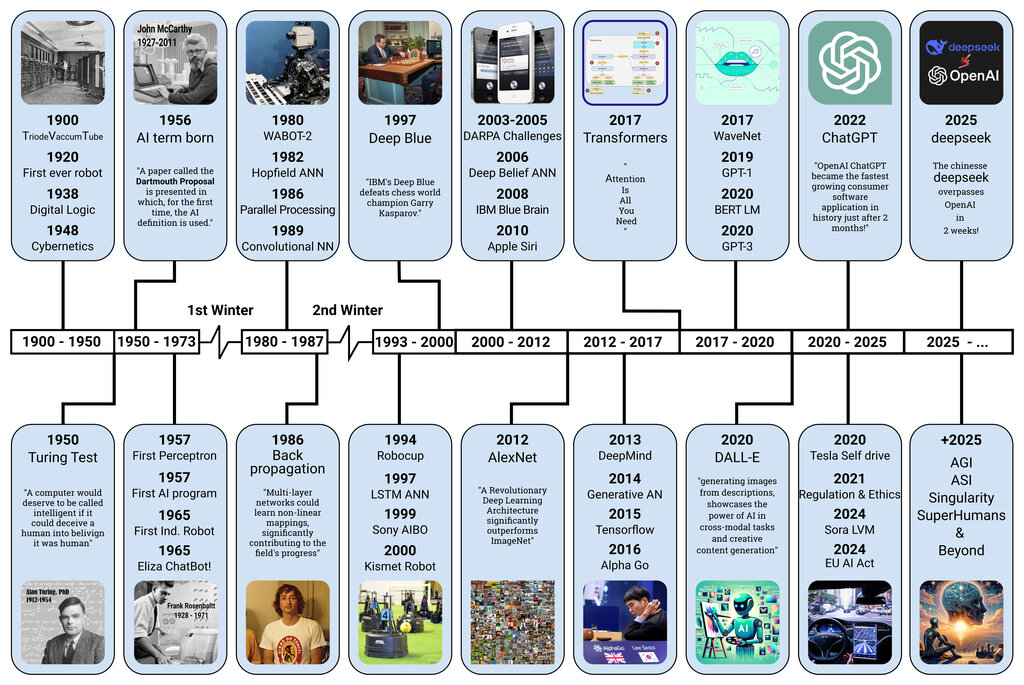
Today, AI isn't just about following a set of pre-programmed instructions. It involves machine learning, where systems learn directly from data. This allows AI to perform complex tasks like understanding language, recognizing faces, and even driving cars. This ability to learn and adapt is what makes AI so transformative, especially in a field like education.
AI in the Classroom
So how does this technology show up in schools? AI is changing education in a few key ways. It’s not about replacing teachers with robots, but about providing powerful new tools to support both teaching and learning.
One of the biggest promises of AI is personalized learning. Imagine a math program that knows exactly which concepts a student is struggling with and provides extra practice, or a history lesson that adapts to a student's interests.
AI can act like a personal tutor for every student, adjusting the difficulty and pace of lessons to fit individual needs. This helps ensure that no one gets left behind or bored. While one student reviews basic algebra, another can move on to more advanced problems, all within the same classroom.
For teachers, AI is a powerful assistant. It can automate time-consuming administrative tasks like grading multiple-choice quizzes, tracking attendance, and managing schedules. This frees up valuable time, allowing educators to focus on what they do best: mentoring students, leading discussions, and creating inspiring lesson plans.
Benefits and Challenges
The benefits of bringing AI into education are clear. Students get a more tailored and engaging learning experience. Teachers get more time to focus on high-impact activities. And schools can operate more efficiently.
AI also makes learning more accessible. Tools that convert text to speech can help students with visual impairments, while real-time translation can break down language barriers for others. The technology can provide support to learners of all abilities and backgrounds.
However, integrating AI isn't without its challenges. One of the biggest concerns is fairness. If an AI system is trained on biased data, it can make biased decisions, potentially disadvantaging certain groups of students. For example, an automated essay grader might favor specific writing styles, unintentionally penalizing creative or unconventional thinkers.
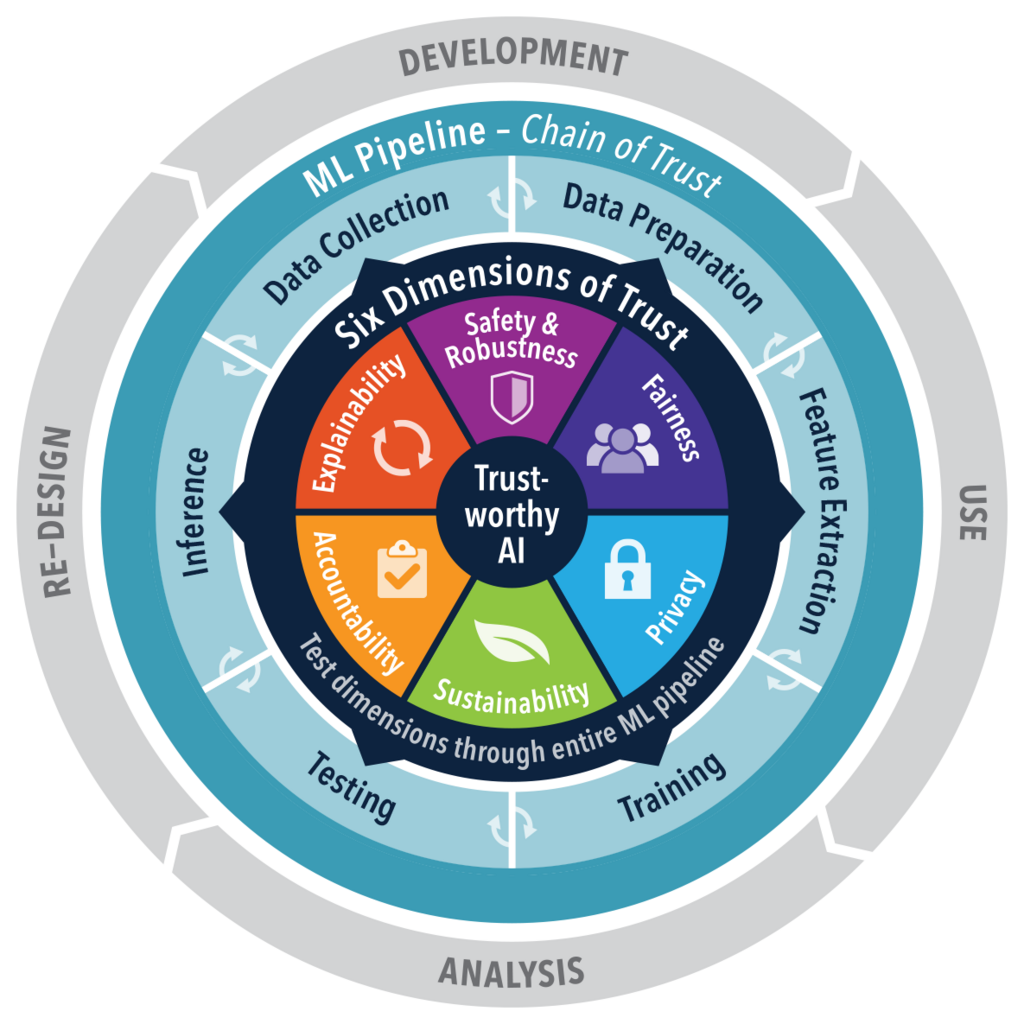
Data privacy is another major issue. AI systems need a lot of student data to work effectively, which raises important questions about how that information is collected, used, and protected. We also need to consider the digital divide. If only some schools can afford advanced AI tools, it could widen the gap between well-resourced and under-resourced communities.
Navigating these ethical questions is crucial. To be successful, the adoption of AI in education must be thoughtful and deliberate, always prioritizing the well-being and success of the students.
Now, let's test your understanding of these foundational concepts.
What is the primary role of AI in an educational setting, as described in the text?
A school district implements an AI-powered system to grade student essays. The system consistently gives lower scores to students who use creative or non-traditional sentence structures. Which ethical concern does this scenario best illustrate?
By understanding both the potential and the pitfalls, we can better steer the integration of AI in a way that truly benefits everyone in the world of learning.