AI as Your Learning Partner
Introduction to AI Models
What's an AI Model?
Think of an AI model as a specialized brain built for a specific task. It's not a physical object, but a complex program that has learned to recognize patterns from data. Instead of being explicitly programmed with rules for every possible situation, a model is "trained" on vast amounts of information, allowing it to make predictions, classify information, or generate new content on its own.
An AI model is a system that learns from data to perform a task, rather than being programmed with handcrafted rules.
For example, a model designed to identify cats in photos isn't given a list of features like "pointy ears" and "whiskers." Instead, it's shown millions of pictures labeled "cat" and learns the common patterns for itself. This process of learning from examples is what makes AI so powerful and adaptable.
Different Flavors of AI
Artificial intelligence isn't a single thing. It's a broad field with many subfields, and the models within it have different jobs. While there are many specialized types, most AI models fall into a few main categories based on what they're designed to do.
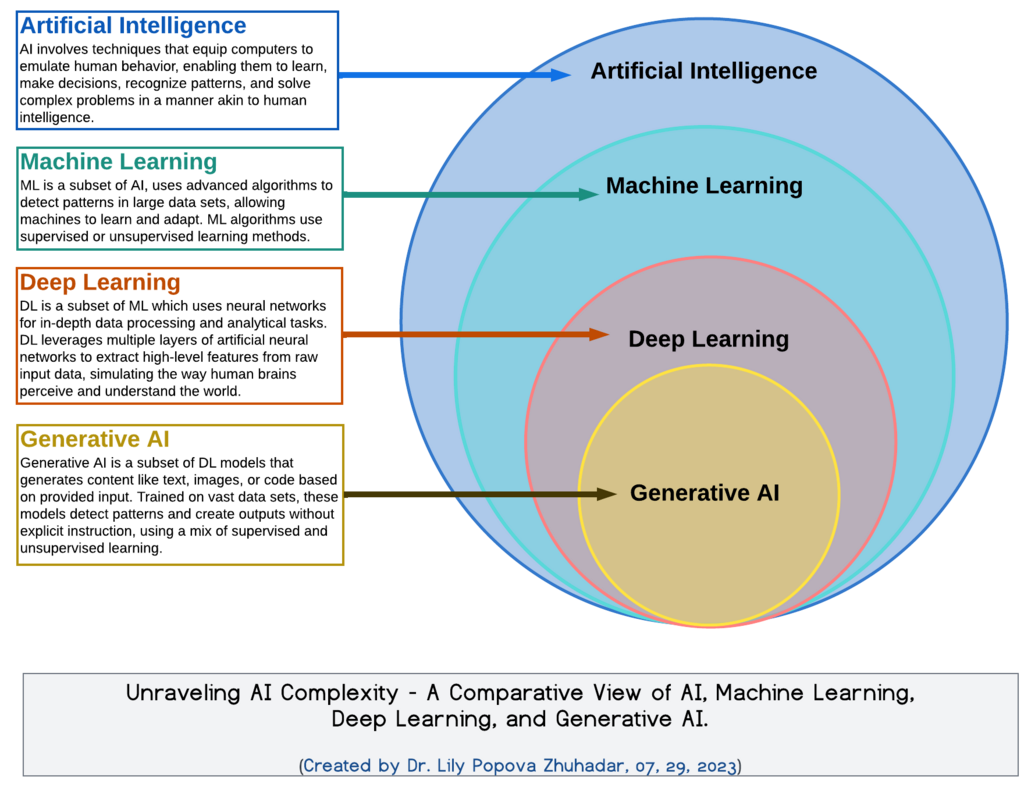
Understanding these categories helps you know what kind of AI you're interacting with.
| Model Type | Primary Function | Common Example |
|---|---|---|
| Classification | Sorts items into predefined categories. | An email service filtering messages into "spam" or "not spam." |
| Prediction | Forecasts future values based on past data. | A weather app forecasting tomorrow's temperature. |
| Generative | Creates new, original content. | A chatbot writing a poem or an app creating an image from text. |
Some models can even combine these functions. For instance, a sophisticated AI might classify a customer's question, predict their needs, and then generate a helpful response.
Fueling AI with Data
If an AI model is the brain, then data is its food, its education, and its life experience all rolled into one. A model knows nothing about the world until it is trained on data. The quality, quantity, and relevance of this data directly determine how well the model will perform.
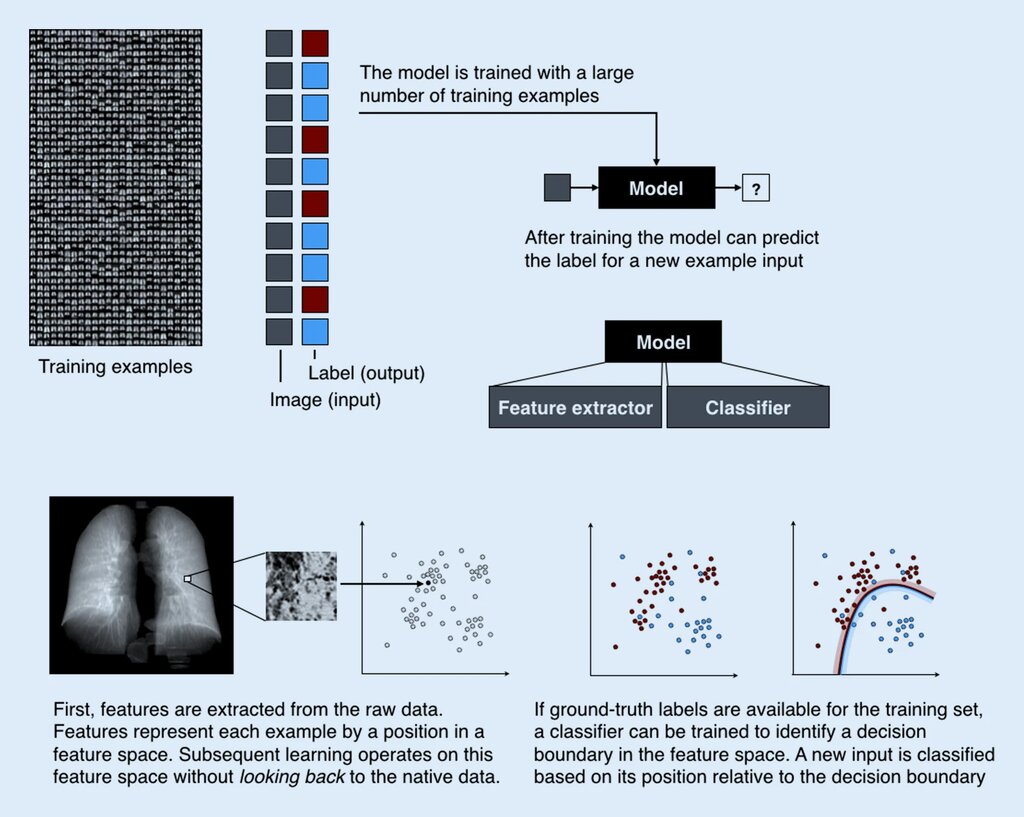
This training process involves feeding the model a massive dataset related to its task. A language model like ChatGPT is trained on a huge portion of the text on the internet to learn grammar, facts, and conversational styles. A medical AI might be trained on thousands of X-rays to learn how to spot signs of disease.
The principle is simple: the more high-quality examples a model sees, the better it becomes at its job. However, if the training data is biased or incomplete, the model will inherit those flaws. This is why curating a good dataset is one of the most critical steps in building a reliable AI system.
Now that you understand the basics of AI models, let's test your knowledge.
How do most modern AI models learn to perform a task like identifying cats in photos?
If an AI model designed to recommend job candidates is only trained on data from a company with a history of hiring bias, what is the most likely outcome?
Understanding models is the first step to understanding AI. By knowing what they are, what types exist, and how they're trained, you're better equipped to interact with these powerful tools.