AI as Your Advisor
Introduction to AI as Advisor
AI as Your Advisor
For a long time, we've thought of computers as tools that follow our commands. You click, they respond. You type, they execute. But what if a computer could do more than just follow orders? What if it could offer advice?
This is the core idea behind an AI advisor. It's an artificial intelligence system designed to analyze massive amounts of information and provide insights or recommendations to help people make better decisions. It's not about replacing human judgment, but enhancing it. Think of it as a super-powered assistant that can sift through data at a scale and speed no human ever could.
AI advisors process vast datasets to uncover patterns and suggest paths forward, acting as a powerful supplement to human expertise.
From Calculators to Consultants
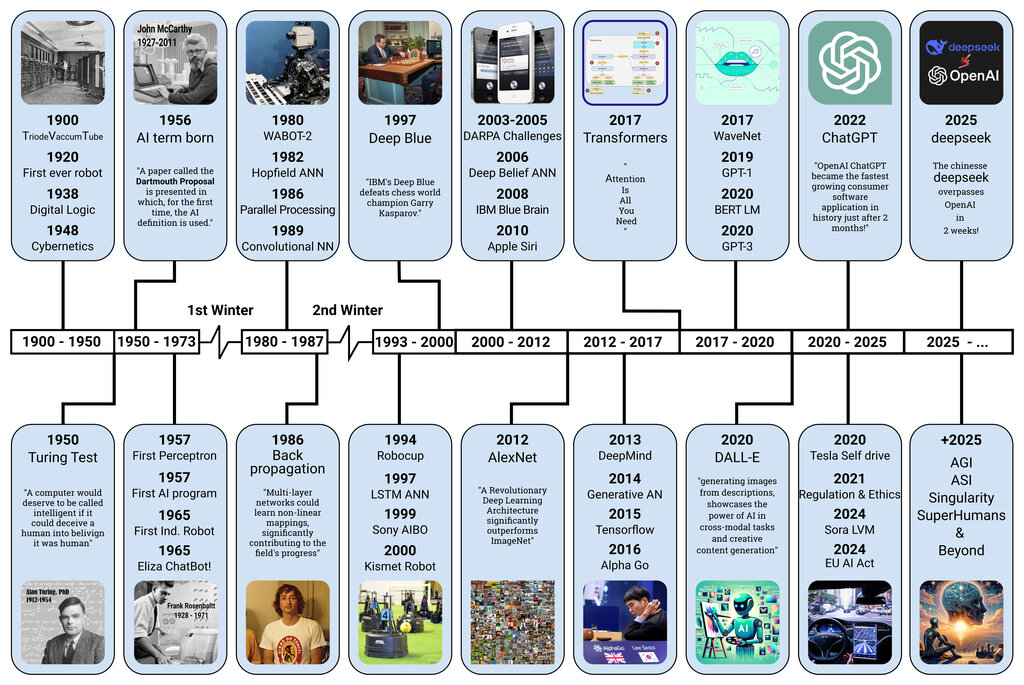
The concept of an AI offering advice isn't brand new. Early versions, known as "expert systems," emerged in the 1970s and 80s. These systems operated on a set of rigid, pre-programmed rules. For example, a system for diagnosing car trouble might be coded with hundreds of "if-then" statements: if the engine won't crank and the lights are dim, then the battery is likely dead. While useful, they were limited. They couldn't learn or handle situations outside their programming.
Today's AI advisors are vastly different. Powered by machine learning, they learn directly from data. Instead of being fed a list of rules, they are given millions of examples. A modern diagnostic AI learns to identify diseases by analyzing countless medical scans, finding its own patterns without explicit instructions. This ability to learn and adapt has transformed AI from a simple rule-follower into a dynamic consultant.
AI Advisors in the Real World
The impact of AI advisors is already being felt across many industries, especially in fields where decisions rely on complex data. Two of the most prominent are healthcare and finance.
In medicine, AI is helping doctors make more accurate diagnoses. Radiologists are using AI to analyze MRI scans and X-rays to detect early signs of cancer or other conditions that might be missed by the human eye. These systems can compare a single scan against a database of millions of others, spotting subtle anomalies. Beyond diagnosis, AI can also help create personalized treatment plans by analyzing a patient's genetic makeup, lifestyle, and medical history to recommend the most effective therapies.
The financial world has also embraced AI advisors. So-called "robo-advisors" use algorithms to manage investment portfolios. After a user answers questions about their financial goals and risk tolerance, the AI creates and automatically maintains a diversified portfolio. For financial institutions, AI analyzes market data, news reports, and social media trends in real time to predict stock movements or identify fraudulent transactions. This allows human analysts to focus on high-level strategy instead of getting bogged down in number-crunching.
Artificial intelligence (AI) is transforming financial planning by expanding access, lowering costs, and enabling dynamic, data-driven advice.
From helping doctors save lives to helping people plan for retirement, AI advisors are fundamentally changing how we approach complex decisions. By combining the processing power of machines with the wisdom and oversight of humans, they open up new possibilities for progress and understanding.