AI Artistry with Midjourney
Introduction to AI Image Generation
From Paintbrushes to Pixels
Artists have always adopted new tools, from the first charcoal stick to the camera to digital drawing tablets. Artificial intelligence is the latest tool to enter the creative world, offering a completely new way to bring ideas to life. It’s not about replacing human creativity, but expanding it.
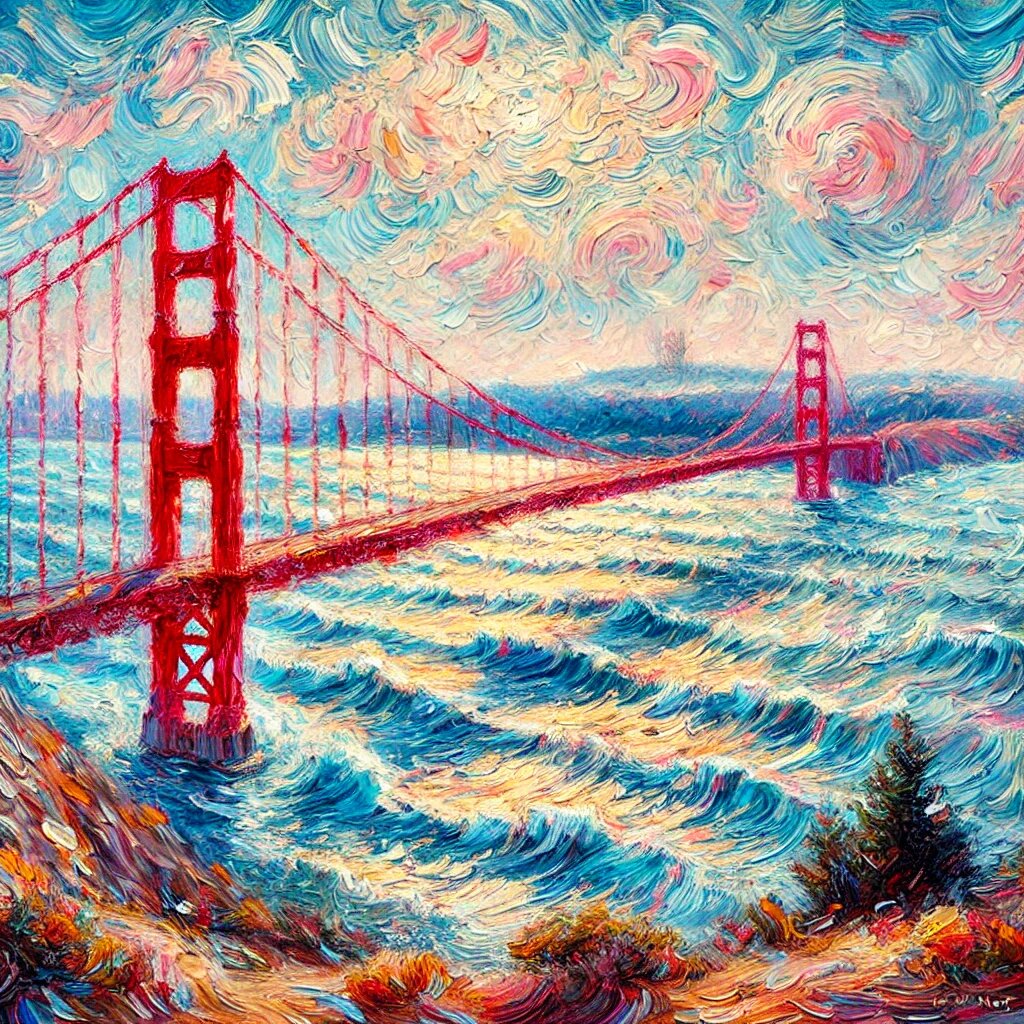
Instead of using a brush or a stylus, you use words. You describe an image, and an AI model generates it for you. This allows anyone to create stunning visuals, regardless of their traditional artistic skills. The results can be surprisingly detailed and stylistic, like a painting from a classic art movement.
How AI Sees Words
So, how does a computer turn the phrase “a red bridge in the fog” into a picture? It happens through a process called text-to-image generation. Think of the AI as a sketch artist who has studied millions of images from the internet. It has learned to associate words and phrases with specific visual patterns, colors, and objects.
When you give the AI a text prompt, it doesn't actually “understand” the words like a human does. Instead, it breaks down your description into mathematical concepts it can work with. It then uses this information to generate a new image, pixel by pixel, that matches the patterns it learned during its training. The AI is essentially piecing together its vast visual knowledge to create something that fits your request.
The Art of the Prompt
The key to getting great results from an AI image generator is learning how to communicate your vision clearly. This skill is called prompt engineering.
Prompt engineering is the art and science of crafting text instructions that effectively communicate your creative vision to AI image generation models.
An AI model doesn’t have its own imagination. It relies entirely on your instructions. A vague prompt like “a cat” will produce a generic image of a cat. But a more detailed prompt like “a fluffy orange cat wearing a tiny wizard hat, sitting on a pile of old books, digital art” will guide the AI to a much more specific and interesting result.
The prompt is your main point of control. By changing just a few words, you can dramatically alter the style, mood, and composition of the final image. Adding descriptors for artistic style (like 'cyberpunk' or 'steampunk'), lighting, or color palette gives the AI more precise direction.
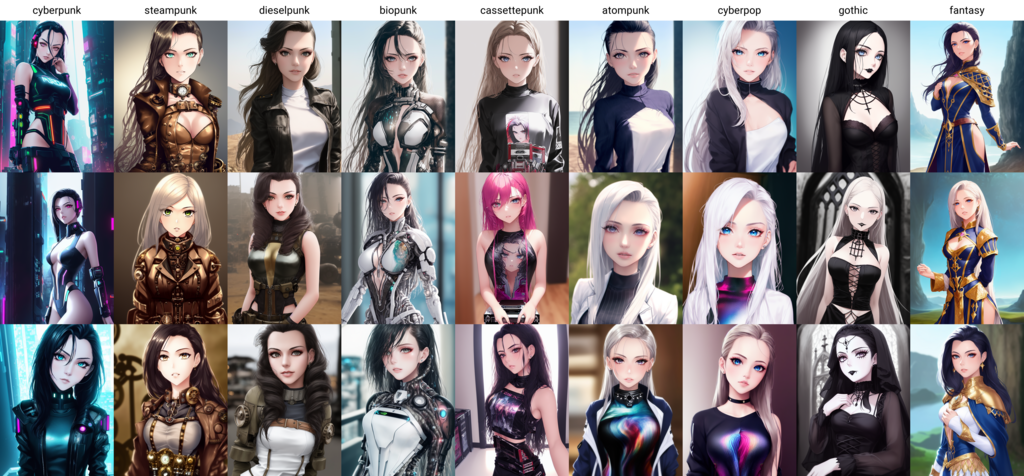
Your words are the AI's paintbrush. The more descriptive you are, the more detailed and specific the picture will be.
Mastering the basics of prompting is the first step toward using these powerful tools for your own creative projects. It's a conversation between you and the AI, and learning the language is how you bring your imagination to the screen.
What is the primary role of AI in the creative process, as described in the text?
According to the text, how does an AI model turn words into an image?