AI Appropriate Technology for Disabilities
Introduction to Assistive Technology
What is Assistive Technology?
Think about a pair of glasses. For someone with blurry vision, glasses make the world sharp and clear, allowing them to read a book or drive a car. In its simplest form, that's what assistive technology does. It's any tool, device, or system that helps people with disabilities perform tasks they might otherwise find difficult or impossible.
The goal is simple: to increase, maintain, or improve a person's ability to participate in daily life, boosting their independence and overall quality of life.
Assistive technology isn't just about complex gadgets. It ranges from a simple pencil grip that helps a student write more comfortably to a sophisticated power wheelchair that allows someone to navigate their community. It's a broad field focused on practical solutions for real-world challenges.
A Look Back in Time
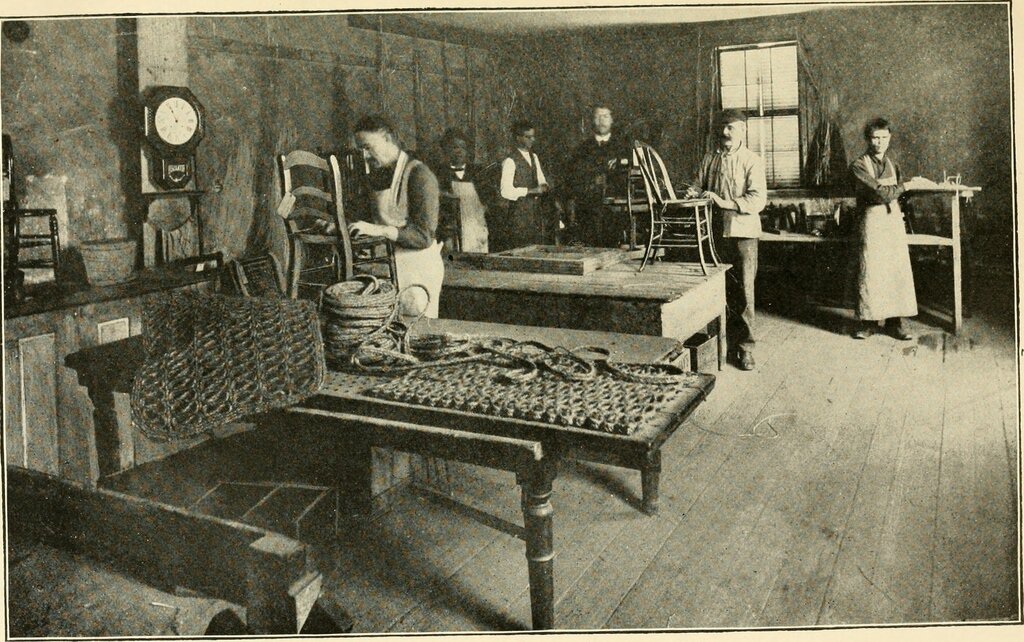
The idea of using tools to overcome physical limitations is as old as humanity itself. Early humans used sticks as walking aids, and ancient civilizations crafted rudimentary prosthetics. For centuries, devices like crutches, eyeglasses, and ear trumpets were some of the only options available.
The 20th century, particularly after major world conflicts, saw a surge in innovation. Advances in medicine and engineering led to better prosthetic limbs for returning veterans. The development of lightweight materials made wheelchairs more portable and easier to use.
The digital age marked the most significant turning point. The invention of the microchip and the personal computer opened up a universe of possibilities. Suddenly, technology could be adapted to help people communicate, learn, and work in ways never before imagined.
Categories of Assistance
Assistive technology can be grouped by the function it supports. While there are countless devices, they often fall into a few main categories.
| Category | Description | Examples |
|---|---|---|
| Mobility Aids | Help people move around more easily and safely. | Wheelchairs, walkers, canes, scooters, prosthetics. |
| Communication Devices | Assist individuals who have difficulty with speech. | Speech-generating devices, communication boards, text-to-speech software. |
| Cognitive Support Tools | Help with memory, attention, organization, and other cognitive functions. | Digital reminders, task management apps, audio recorders for notes. |
| Aids for Daily Living | Tools that make everyday tasks simpler. | Jar openers, button hooks, long-handled shoe horns, adapted utensils. |
| Sensory Aids | Help people with visual or hearing impairments. | Hearing aids, screen readers, magnifiers, braille displays, closed captioning. |
As you can see, the term covers a vast array of tools. The key is that the technology is matched to the specific needs of the individual.
Impact on Independence
The true measure of assistive technology is its impact on a person's life. For a child with a learning disability, a text-to-speech tool can be the key to unlocking the world of reading. For an older adult, a stairlift can mean the difference between staying in their home and moving to a care facility.
These tools empower people to engage more fully in their communities, pursue education and careers, and manage their own lives. By removing barriers, assistive technology fosters confidence, self-reliance, and a greater sense of possibility.
Before we move on, let's test your knowledge of these foundational concepts.
What is the primary purpose of assistive technology?
Which of the following would NOT be considered an example of assistive technology based on the provided definition?
In essence, assistive technology is about providing the right tools to help people thrive. It's a field that combines ingenuity and empathy to create a more accessible world for everyone.