AI Animation Creation with Free Tools
Introduction to AI Animation
Animation Gets an Upgrade
For over a century, animation has been a labor of love. It started with artists drawing thousands of individual pictures by hand, where every single frame of a film like Snow White was a separate piece of art. Each second of animation required 24 unique drawings. The process was painstaking and incredibly time-consuming.
Then came computers, which introduced digital tools and CGI. This new technology changed the game, allowing for 3D models and complex special effects. It made animation more efficient, but it still required a massive amount of technical skill and manual work from large teams of artists. The core challenge remained: creating fluid motion is hard work.
How AI Changes the Game
Artificial intelligence is the next big leap. Instead of just being a tool for artists to use, AI is becoming a creative partner. It can automate some of the most complex and repetitive parts of the animation process, revolutionizing how stories are brought to life.
Think about the process of drawing the frames between two key poses, a task called 'in-betweening' or 'tweening'. Traditionally, a junior animator would have to draw all those intermediate steps to create smooth movement. Now, an AI can analyze the key poses and generate all the in-between frames automatically. This is just one example. AI can also help with character rigging, generating textures, creating backgrounds, and even syncing lip movements to dialogue perfectly.
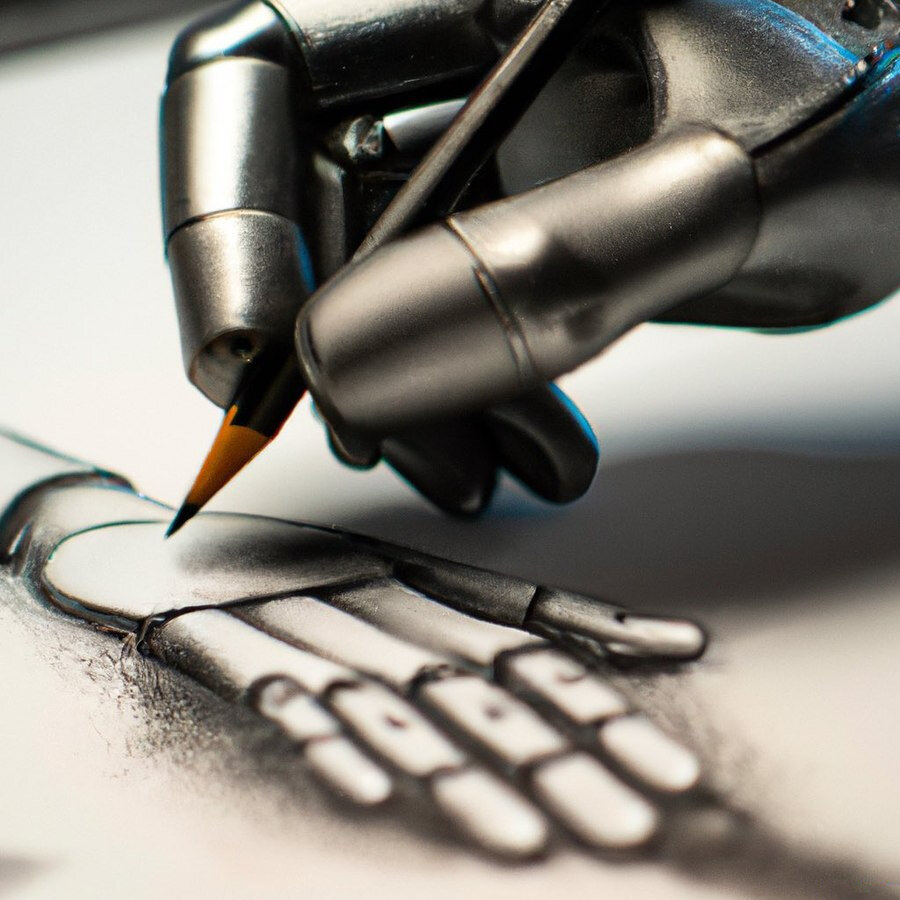
The benefits are enormous. Animation projects that once took months or years can now be completed much faster. This speed reduces costs, making animation more accessible to independent creators and smaller studios. You no longer need a massive budget or a huge team to create something beautiful and compelling.
AI handles the tedious, repetitive tasks, freeing up human artists to focus on what they do best: creativity, storytelling, and bringing emotion to the screen.
Free Tools to Explore
The best part is that many of these powerful tools are becoming widely available, and some are even free to try. You don't need to be a professional animator to start experimenting. These tools fall into a few general categories, each designed to tackle a different part of the creative process.
| Tool Type | Common Use |
|---|---|
| Text-to-Video | Generates short video clips from a written prompt. |
| Image-to-Animation | Adds movement and life to a static image. |
| AI Motion Capture | Extracts movement from a video of a person and applies it to a digital character. |
| Automated Lip-Sync | Matches a character's mouth movements to an audio file. |
These tools open up a world of possibilities, allowing anyone with an idea to start creating. While they won't replace the vision of a human artist, they dramatically lower the barrier to entry.
Now, let's review what you've learned.
In traditional hand-drawn animation, like the original Snow White, how many individual drawings were typically required for one second of film?
What is the term for the process of creating the frames between two main poses to create the illusion of smooth movement, a task that AI is now able to automate?
As AI continues to evolve, it will unlock even more creative potential, changing not just how we make animations, but the kinds of stories we're able to tell.