AI Animated Storytelling for Kids
Understanding Children's Storytelling
Know Your Audience
Before you write a single word, think about who you're writing for. A story that delights a seven-year-old might bore a ten-year-old or confuse a toddler. Children's cognitive and emotional development changes rapidly, and a good story meets them where they are.
For the youngest listeners (ages 1-3), stories should be simple, repetitive, and focused on the immediate world: daily routines, animals, and sensory experiences. Themes like friendship, bedtime, or recognizing shapes and colors work well.
Preschoolers (ages 3-5) can handle a bit more complexity. They love stories about making friends, trying new things, and navigating first experiences like going to school. Their imaginations are running wild, so magical elements and talking animals are a big hit.
Early elementary kids (ages 6-8) are ready for more developed plots and characters. They connect with stories about challenges at school, family dynamics, and solving problems. Themes of courage, honesty, and empathy resonate strongly with this group.
Children grow rapidly—not just physically, but in their ability to understand stories, engage with characters, and follow complex plots.
Understanding these developmental stages is the key to creating a narrative that feels both exciting and comforting.
Creating Characters Kids Love
Memorable characters are the heart of any great children's story. They don't need to be complex, but they do need to be relatable. Kids connect with characters who have clear motivations and feelings they can understand, like wanting a friend, being afraid of the dark, or feeling excited about a birthday.
Whether your hero is a shy porcupine, a brave little girl, or a mischievous robot, give them human-like traits. A grumpy badger who secretly loves to bake or a clumsy dragon who just wants to learn to fly are instantly endearing. These simple, defining characteristics make them easy for a child to grasp and root for.

Think about what your character wants more than anything. This desire will drive the plot forward. Does the little mouse want to reach the cheese on the high shelf? Does the young astronaut want to visit a new planet? This central goal gives the story purpose and direction.
The Shape of a Story
Even the simplest stories have a structure. The most common and effective one is the three-act structure: a beginning, a middle, and an end. This classic arc provides a satisfying and easy-to-follow journey for young readers.
The Beginning: Introduce your main character and their world. What is their life like? What do they want? This is where you set the scene and present the central problem or goal.
The Middle: This is where the action happens. The character tries to solve their problem but faces obstacles. Maybe the porcupine tries to make friends, but his quills keep getting in the way. This part builds tension and keeps the child engaged.
The End: The character overcomes the challenge and resolves the problem. The porcupine learns to use his quills to help someone, and makes a friend in the process. The ending should feel earned and leave the reader with a sense of completion.
This simple beginning-middle-end structure is the backbone of almost every story, from fairy tales to blockbuster movies. It gives the narrative a logical flow that children can easily follow.
Weaving in Lessons
Stories are a wonderful way to introduce moral and educational ideas, but the key is to be subtle. Children can spot a lecture from a mile away. Instead of stating a lesson directly, let it emerge naturally from the story's plot and your character’s journey.
If you want to teach about sharing, don't have a narrator say, "Sharing is important." Instead, show a character who refuses to share their toys and ends up playing alone. Through their experience, they—and the reader—discover that sharing leads to more fun. The lesson is embedded in the consequences of the character's actions.
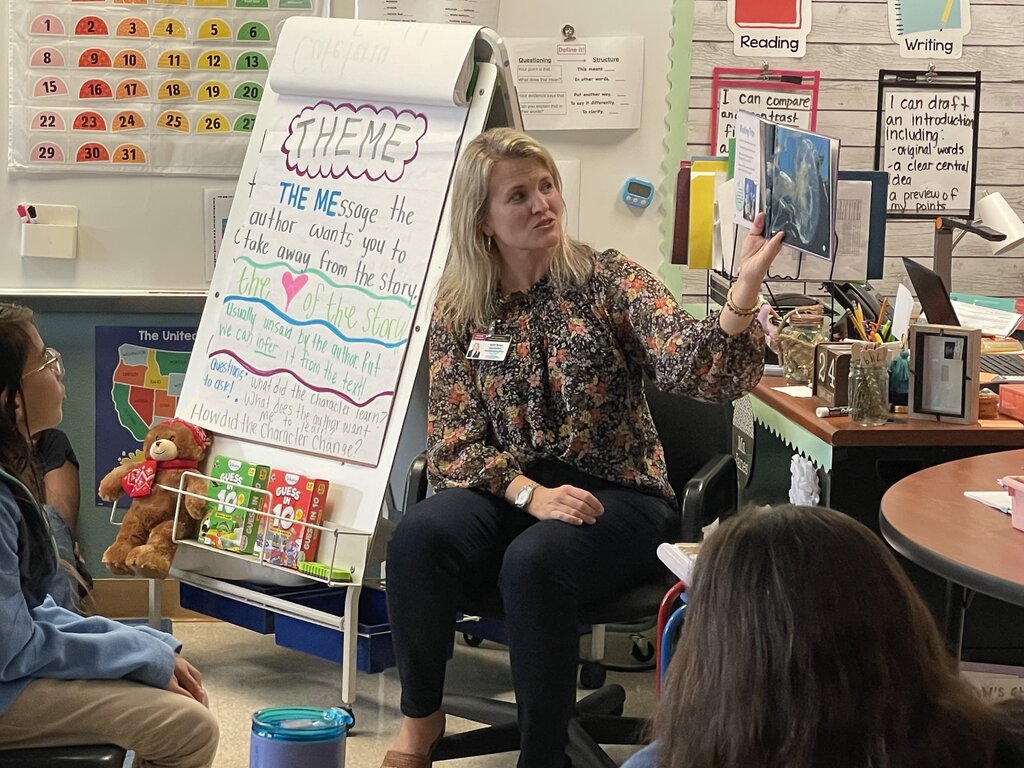
You can also weave in educational content seamlessly. A story about a caterpillar's journey to become a butterfly can teach the basics of metamorphosis. A tale about two friends trying to build a fort can introduce simple physics concepts. The learning becomes part of the adventure, not a separate, boring lesson.
According to the text, which theme is most appropriate for a story aimed at preschoolers (ages 3-5)?
In the three-act story structure, what is the primary function of the "Middle"?
Crafting a story for children is a rewarding process. By focusing on your audience, creating relatable characters, building a clear structure, and gently weaving in lessons, you can create a narrative that entertains, educates, and sticks with a child long after the book is closed.